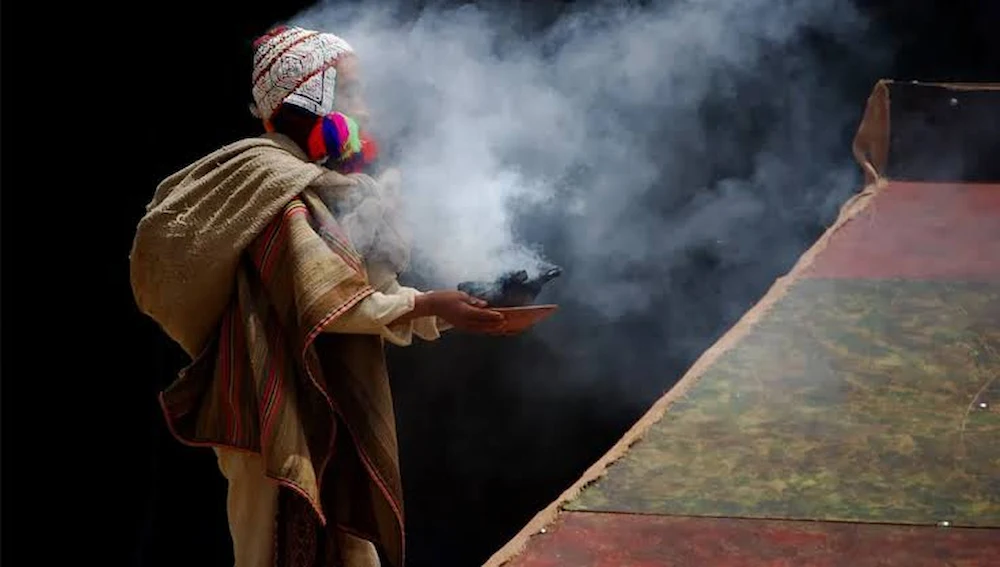
Pachamama offerings are traditional Andean ceremonies that express gratitude and respect for Mother Earth. These rituals are part of the cultural heritage of several communities in the Peruvian Andes, where people recognize the connection between human life, nature, and the land that provides food and other resources. Through these practices, communities maintain a relationship with the natural world that has been passed down through generations.
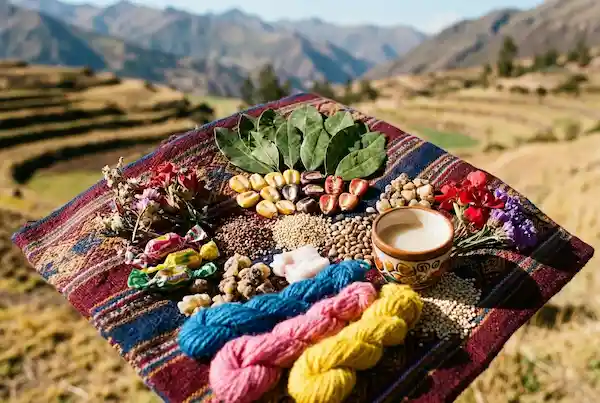
The ceremonies may include coca leaves, seeds, corn, flowers, sweets, and other symbolic elements. Although the materials and procedures vary between communities, their purpose is closely related to reciprocity: giving thanks for what nature provides and asking for balance, protection, and well-being. Understanding these traditions offers a closer look at Andean beliefs and the importance of the land in everyday life.
What are Pachamama offerings?
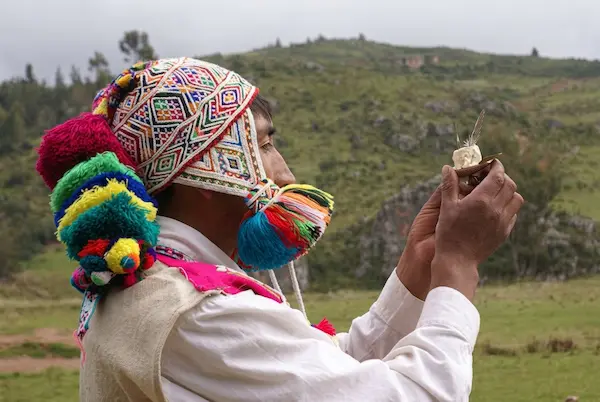
Pachamama offerings, also known as despachos or pagos a la tierra, are ceremonies performed to honor Mother Earth. In Andean traditions, Pachamama is understood as a source of life and nourishment, so people express their appreciation through symbolic gifts and prayers. These offerings recognize the importance of the earth in providing the conditions necessary for communities, crops, animals, and families to thrive.
These practices are connected to the relationship between people and their natural surroundings. For many Andean communities, the earth is not simply a place to grow crops or build homes; it is part of a living world that deserves respect and care. This way of understanding nature influences different aspects of community life, including agriculture, celebrations, and traditional ceremonies.
The ceremony can take different forms depending on the community, the occasion, and the person leading the ritual. Some offerings are prepared for personal or family purposes, while others are part of larger community celebrations that bring people together. The materials, prayers, and final actions may also change according to local customs, which is why there is no single procedure that represents every Pachamama offering.
The meaning of Ayni in Pachamama offerings
Ayni is an important principle in Andean culture that refers to reciprocity and mutual support. It expresses the idea that people give and receive, helping one another and maintaining a balanced relationship with their community and the natural world. This principle has traditionally been present in activities such as agricultural work, community projects, and other situations where cooperation is essential.
This idea is also reflected in Pachamama offerings. People give symbolic gifts to Mother Earth as an expression of gratitude for the food, water, and resources that make life possible. Rather than understanding the ceremony only as a request for good fortune, ayni helps explain why giving thanks is such an important part of the practice.
How does ayni influence Andean traditions?
Ayni is not limited to religious ceremonies. It can also be seen in community activities, agricultural work, and other situations where people cooperate and support one another. For example, families and neighbors may help each other with planting, harvesting, or other tasks, knowing that this support can be returned when someone else needs assistance.
In the context of an offering, this principle represents a relationship based on appreciation rather than simply asking for something. The ceremony recognizes that human life depends on nature and that this relationship should be treated with respect. Through this perspective, gratitude becomes an important part of maintaining harmony between people, their communities, and the environment around them.
What elements are included in Pachamama offerings?
The materials used in Pachamama offerings have symbolic meanings, although the exact selection depends on local customs and the purpose of the ceremony. Some elements represent abundance, others express gratitude, and some are included as gifts for Mother Earth. They are usually selected and arranged with care because each one contributes to the meaning of the offering.
| Element | Symbolic meaning or use |
|---|---|
| Coca leaves | Used in prayers and as an important ceremonial element |
| Corn | Associated with food, agriculture, and abundance |
| Seeds | Represent growth and the continuation of life |
| Flowers | Express respect and appreciation |
| Sweets | Included as symbolic gifts |
| Chicha | A traditional drink used in some ceremonies |
| Colored wool | Can represent wishes and symbolic intentions |
| Animal fat | Included in certain traditional offerings |
Not every ceremony uses all these materials. The selection can change according to the region, the community, and the knowledge of the person preparing the offering. Some ceremonies include additional elements such as grains, incense, or other products associated with local agricultural and cultural practices.
The way these materials are arranged is also meaningful. In some traditions, the elements are placed together in a carefully prepared composition before the offering is presented to the earth. The arrangement and the accompanying prayers depend on the specific ceremony, so it is important not to assume that every community follows the same pattern.
The role of coca leaves in Andean ceremonies
Coca leaves have an important place in several Andean cultural practices. They can be used during prayers, offered as part of a despacho, or arranged in specific ways according to local traditions. Their presence is connected to respect, communication, and the symbolic meaning of the ceremony, making them one of the recognizable elements of certain Andean rituals.
In some practices, coca leaves are selected and arranged in small groups, while other ceremonies use them together with seeds, grains, flowers, or different symbolic materials. The way they are handled depends on the knowledge and customs of the people participating in the ritual. These differences reflect the diversity of Andean traditions rather than a single fixed method.
Coca also has a wider cultural significance in the Andes beyond Pachamama offerings. It has been used in different social and ceremonial contexts for generations, and its meaning is closely connected to the history of Andean communities. Understanding this background helps explain why the leaves continue to appear in traditional practices today.
When are Pachamama offerings performed?
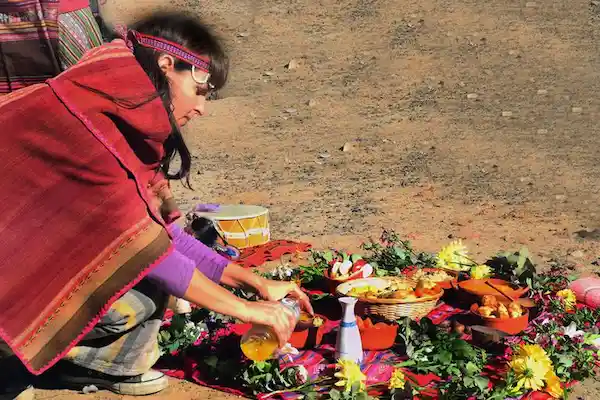
Pachamama offerings can take place at different moments of the year, depending on the purpose of the ceremony and local customs. Some are connected to agricultural activities, family events, requests for protection, or expressions of gratitude for the resources provided by the land. These occasions show how the relationship with Mother Earth is part of different moments in community life.
August is especially significant in several Andean communities. This month is traditionally associated with honoring Pachamama and preparing offerings to express gratitude and ask for abundance and protection. In some areas, ceremonies during this period are connected to the belief that the earth is ready to receive offerings, making the month an important moment in the Andean cultural calendar.
However, the timing of these practices is not identical throughout the Andes. Each community has its own traditions, and the ceremonies may be organized according to local agricultural cycles, celebrations, or particular needs. For this reason, August is an important period to understand, but it should not be considered the only time when people honor Pachamama.
Why is August known as the month of Pachamama?
In parts of the Andes, August is considered an important time to honor Mother Earth. Some traditions associate this period with the opening of the earth, making it a meaningful moment to present offerings and renew the relationship between people and nature. The practice is connected to gratitude for the previous agricultural cycle and hopes for the months ahead.
During this month, some communities organize ceremonies that bring families and local participants together. The offerings may include food, coca leaves, chicha, and other symbolic materials, depending on the area’s customs. These gatherings also help preserve traditional knowledge because practices and their meanings can be shared between older and younger generations.
Nevertheless, Pachamama ceremonies are not restricted to August. Their timing and characteristics vary between communities, and some rituals are performed throughout the year for different reasons. This variation is an important part of the tradition because it reflects the different ways Andean communities maintain their relationship with the land.
How is a traditional Pachamama offering ceremony performed?
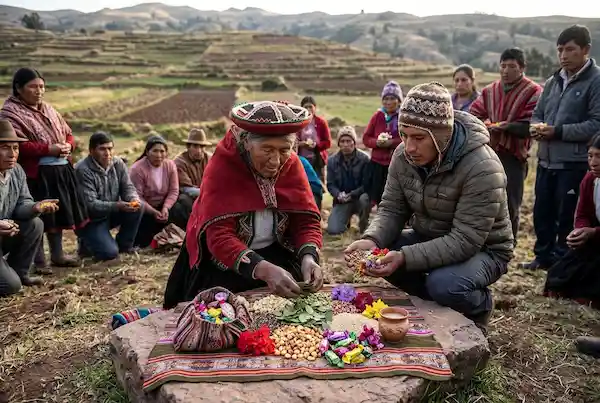
A Pachamama offering is prepared with care and respect for the cultural meaning of each element. The process may involve selecting symbolic materials, arranging them together, and presenting them through prayers or other actions guided by local traditions. The person responsible for the ceremony considers its purpose and the customs followed by the community.
Although there is no single procedure followed by every community, a ceremony may include several stages:
- Preparing the materials: The person responsible for the offering selects the elements according to the purpose of the ceremony and local customs.
- Arranging the offering: The materials are placed together in a symbolic composition, sometimes using paper, cloth, or other natural elements.
- Expressing gratitude: Prayers or words of appreciation may be shared to honor Pachamama and recognize the importance of nature.
- Presenting the offering: Depending on the tradition, the offering may be burned, buried, or presented in another ceremonial way.
- Closing the ceremony: The ritual ends according to the customs of the community and the guidance of the person leading it.
The final part of the ceremony can differ considerably between locations. In some traditions, the offering is burned, while in others it is buried in the earth. These actions have their own cultural meanings and are carried out according to the knowledge of the people who preserve the practice.
Who leads Pachamama ceremonies?
The person leading a ceremony may be a traditional specialist or a respected member of the community with knowledge of local practices. In some Andean areas, these individuals are known by names such as paq’o or altomisayoq, although titles and responsibilities can vary. Their knowledge is often connected to the traditions, beliefs, and ceremonial practices of their region.
Their role may include selecting the materials, preparing the offering, and guiding the prayers or other parts of the ritual. The ceremony is not simply a sequence of actions, since its meaning is closely connected to the cultural knowledge behind each element. The guidance of someone familiar with the tradition helps preserve the way these practices are understood within the community.
It is also important to recognize that not every ceremony is organized in the same way or led by someone with the same title. Local customs determine who participates and what responsibilities each person has. This diversity reflects the different cultural identities found throughout the Peruvian Andes.
Exploring the cultural landscapes of Cusco
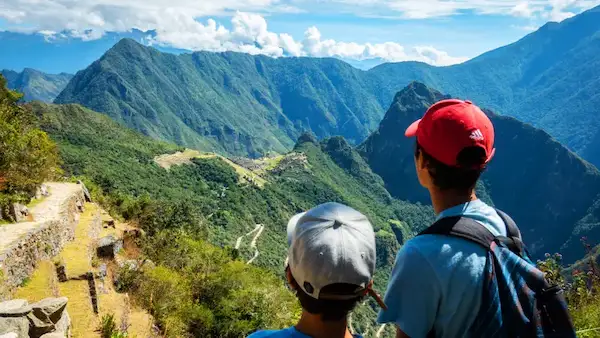
Cusco is one of the regions where visitors can learn about Andean traditions and the relationship between local communities and their surroundings. Its landscapes include mountains, agricultural areas, traditional villages, and archaeological sites that reflect the history and cultural diversity of the Andes. These places help visitors understand how geography, history, and community life have influenced the region over time.
Traveling through Cusco also offers opportunities to see how local activities are connected to the natural environment. In the valleys, agricultural areas form part of the landscape, while mountain communities maintain traditions that have been passed down through generations. These different settings provide context for understanding why the land holds such an important place in Andean culture.
For visitors planning to explore these destinations, transportation is an important part of organizing a comfortable journey. Tourist transportation in Cusco can be considered when planning transfers between destinations and different points of interest in the region.
Planning a trip through Peru’s different regions
Peru brings together very different landscapes, from the highlands of the Andes to the tropical forests of the Amazon. Each region has its own climate, biodiversity, history, and cultural traditions, making travel between them an opportunity to experience the country’s geographical diversity. A journey through the country can therefore include very different environments and activities.
When organizing an itinerary, it is useful to consider the distance between destinations and the time needed for each experience. Traveling through the Andes may involve high-altitude routes and mountain roads, while visiting the Amazon requires planning around river transport, rainforest conditions, and guided excursions. Understanding these differences can help travelers choose activities that fit their available time and interests.
For those interested in exploring the country’s southern Amazon region, tours in Puerto Maldonado offer a starting point for discovering the rainforest and its natural surroundings. This destination provides a different experience from the Andean highlands, allowing visitors to explore another important part of Peru’s natural diversity.
Discovering the natural diversity of Tambopata
Tambopata is a region in the Peruvian Amazon known for its tropical forests, rivers, and wildlife. Its natural environment is different from the high-altitude landscapes of Cusco, offering visitors another perspective on Peru’s ecosystems and the importance of protecting them. The rainforest has a warm and humid climate, with vegetation that creates habitats for a wide variety of species.
The area is home to a wide variety of plant and animal species. Depending on the location and conditions, visitors may have opportunities to observe birds, monkeys, butterflies, and other wildlife while learning about the rainforest. The sounds of the forest, the river landscapes, and the vegetation are also part of the experience, showing how different this environment is from the Andes.
Travelers who want to explore this environment can consider Tambopata tours as part of their Amazon itinerary. These experiences provide a way to visit the region and learn more about its natural surroundings.
Spending more time in the Peruvian Amazon
A longer stay in the rainforest can give travelers more time to experience different activities and explore the area’s natural surroundings. Instead of visiting only one location, a multi-day itinerary may include several excursions and opportunities to observe the biodiversity of the region. Having more time can also make the journey feel less rushed, especially when activities involve traveling along rivers or walking through forest trails.
The number of days needed depends on the traveler’s interests, available time, and preferred activities. Some visitors may want to focus on wildlife observation, while others may be interested in learning about rainforest ecosystems and the natural environment. Reviewing the itinerary in advance helps travelers understand how much time is dedicated to each activity and what they can expect during the visit.
It is also worth considering the conditions of the rainforest when planning a multi-day experience. Weather, transportation, and the distance between different areas can influence the organization of excursions. Choosing an itinerary that allows enough time for each activity can make the experience more comfortable and help visitors appreciate the surroundings.
For travelers considering a longer rainforest experience, the Tambopata tour 4 days is another option to review when planning a visit to this part of Peru.
Respecting the meaning of Pachamama in Andean culture
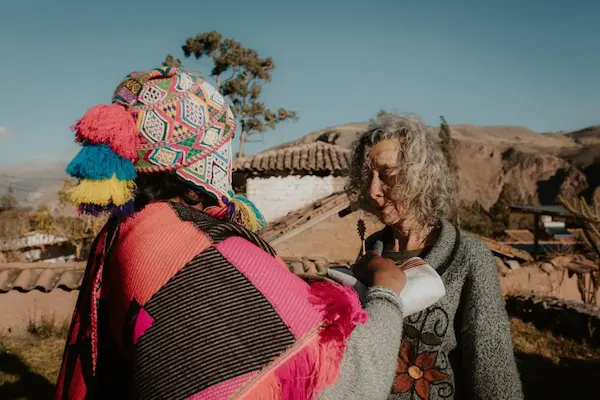
Pachamama offerings represent a relationship with nature based on gratitude, respect, and reciprocity. Through these ceremonies, Andean communities recognize the importance of the earth and the resources that support everyday life. The practice also reflects the value of maintaining a balanced relationship with the natural environment.
Learning about these traditions means understanding that cultural practices can vary from one community to another. Their meaning is connected to local knowledge, history, and beliefs, so they should be approached with respect rather than reduced to a single description. The materials, ceremonies, and occasions may change, but the connection with Mother Earth remains central to their significance.
Although the Andes and the Amazon have different cultural and natural environments, both are important parts of Peru’s diversity. Understanding their differences helps travelers appreciate the country’s traditions and landscapes with greater awareness. By learning about the communities and environments they visit, travelers can develop a deeper appreciation for the many ways people relate to the natural world.