

Did you know that the Peruvian rainforest is the most biodiverse in the world? There are more than 1,000 animal species, but it’s said that 80% remain undiscovered. So today we invite you to immerse yourself in the most incredible Amazon Jungle Mysteries you’ve ever encountered.
Entering the jungle is more than just an exploration; you must have a completely open mind to encounter true nature and even hear the Sachamama speak through the wind. Discover the myths we have for you and recommendations for exploring hidden trails that will help you see the jungle through different eyes.
What are Amazon jungle mysteries?
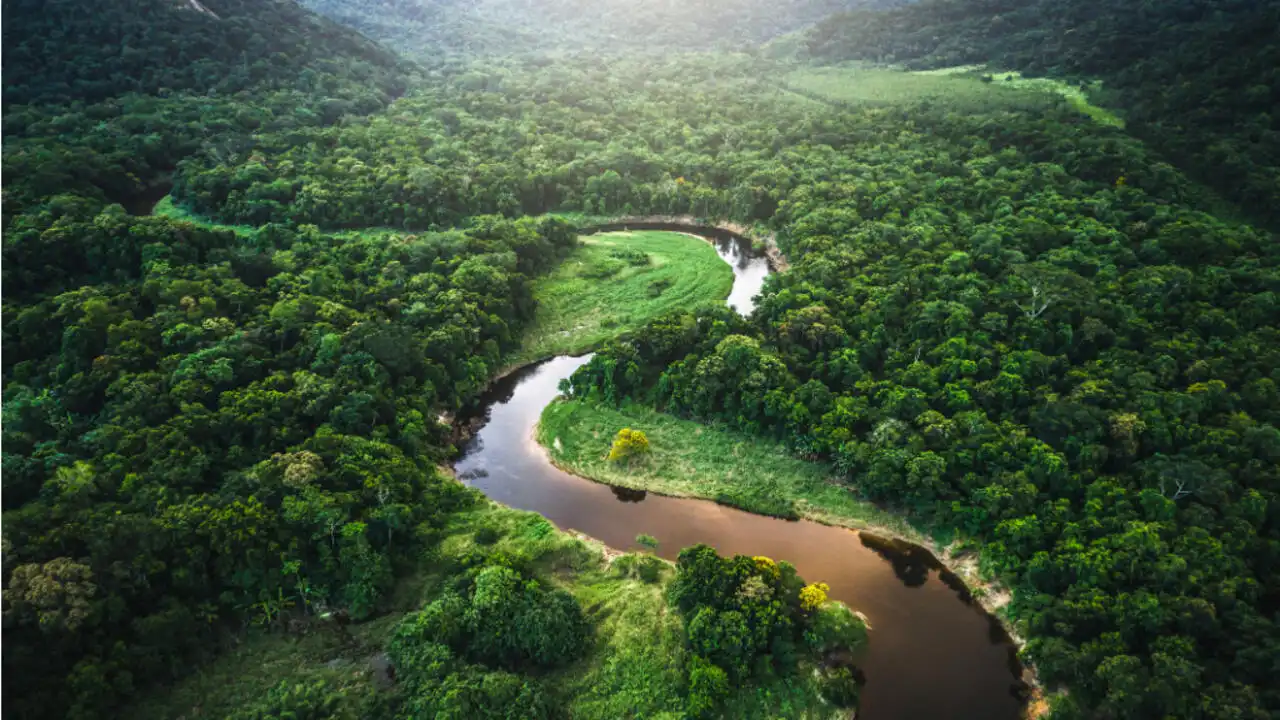
The Amazon rainforest is full of untold secrets, with unexplored virgin areas and mysteries that amaze the world. Amazon jungle myths are wonders waiting to be discovered and legends that live in the heart of the Peruvian jungle. These mysteries make traveling and experiencing them firsthand even more incredible.
From fascinating creatures that seem straight out of a fairy tale to ancient ruins hidden among the vegetation, the Amazon awakens curiosity and adventure in all its visitors. Here you can hear the magical sounds of nature, observe exotic animals, and discover landscapes that seem like they’re from another planet.
Can you imagine walking along trails where science has yet to discover everything? Or navigating rivers that hold ancient secrets? Come and experience the excitement of the Amazon Jungle Mysteries with guided tours that combine adventure, culture, and nature at their finest.
You might be interested: Inti Raymi in Cusco: The magic festival of the Sun
Discover the Amazon jungle mysteries
The Amazon rainforest is a place where reality blends with magic, and where legends come alive and mingle with the tribes. The indigenous peoples of this region have passed down stories for centuries that speak of powerful beings and invisible guardians who protect every tree, every creature, every drop of water in the Amazon. Today we’ll tell you the legends of the mythological beings of the Amazonian worldview.
Yacumama, the Mother of the Waters
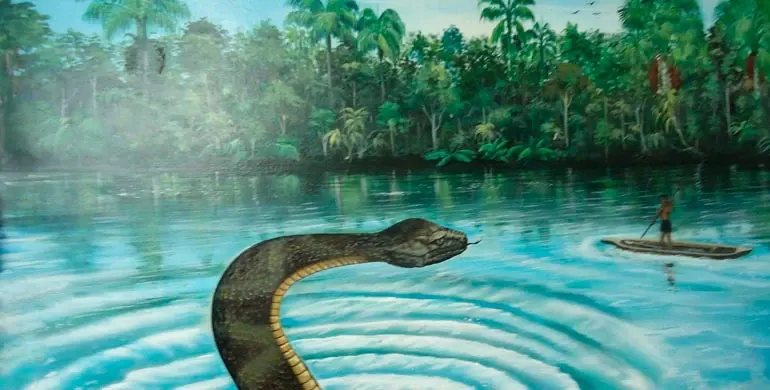
Imagine a serpent so immense it can envelop an entire river with its body. That is Yacumama, the great mother who reigns in the depths of the Amazon. She is not a simple creature, but the protective spirit of water, the source of life for all that exists in the rainforest. It is said that anyone who dares to disturb her dominion can face her fury, because for her, balance and respect for the rainforest are sacred.
Ayaymama
The legend of Ayaymama tells the story of two children who, after losing their mother in the jungle, were transformed into birds by the forest spirits so they could forever search for her among the trees and rivers. These birds symbolize the eternal connection between family and nature, and their constant flight represents the hope and love that transcend time and space in the Peruvian Amazon.

The Tunche, Wandering Soul and Protective Spirit
On moonless nights, when the silence is most intense, the ancients tell of the Tunche emerging from among the trees. This spirit, sometimes feared, sometimes respected, is a soul that watches over the forest and punishes those who harm it. Its strange and penetrating whistle can freeze the heart of any intruder. More than an evil being, the Tunche is a punishing being who seeks out those who have harmed the community. It is said that if you hear a whistling sound in the distance, it means it is closer than you think.

Chullachaqui
With one normal foot and one strange foot, the Chullachaqui is the master of deception in the Amazon. He transforms into familiar figures to disorient travelers and protect the secrets of the jungle. If you ever feel lost, remember this legend and pay attention to the signs. The Chullachaqui is also a symbol that the jungle has a life of its own and is not easily conquered.

The Yacuruna, Silent Guardian of the Waters
This “man of the water” is more than a legend; he is a living reminder of the bond between the jungle and its inhabitants. He is said to protect the fish and can take human form to warn those who disrespect the aquatic balance. His stories invite us to reflect on how our actions affect ecosystems and why we must be careful with water, the Amazon’s most valuable resource.

The Yaras, the Sirens of the Jungle
Imagine a sweet and mysterious melody floating over the river at dusk. That song belongs to the Yaras, female guardians who watch over the waters and their creatures. With their beauty and power, they attract and protect, rewarding the respectful and warning the reckless. They are symbols of the harmony that should exist between humans and nature.
Amazon Rainforest myths
The Amazon rainforest is one of the most fascinating and enigmatic places on the planet. For centuries, its vast expanses of vegetation, winding rivers, and biodiverse ecosystems have generated a multitude of mysteries that still arouse the curiosity and wonder of travelers, scientists, and indigenous communities.
The Amazon Jungle Mysteries range from ancient stories and indigenous legends passed down by word of mouth to surprising natural phenomena that science continues to study. This only proves that we still have much to explore in the Peruvian jungle.
1. The lost city of Paititi
Considered one of the greatest legends of the Peruvian Amazon and coveted by many, it is not simply a myth! Paititi is said to be an Inca city hidden in the jungle, teeming with gold and treasure. Modern expeditions have unsuccessfully searched for this mythical city, which could change the history of Peru and world archaeology if ever found. Similar fortresses have been found, such as the one at Kuelap, but this would be the true fortress of indigenous tribes from centuries ago.
2. Unique and unknown creatures
The Peruvian Amazon is one of the most biodiverse ecosystems on the planet and is home to approximately 10% of the world’s known species. It is estimated that more than 2.5 million insects, nearly 1,300 bird species, 430 mammals, and more than 1,000 fish species live in this fertile region. However, despite this wealth, scientists estimate that around 80% of the Amazon’s species have yet to be officially described.
Every year, surprising new species are discovered: from tiny crystalline frogs that look like glass, to insects with unique patterns and colors, to plants with unprecedented medicinal properties.
3. The mystery of giant trees
In several parts of the Peruvian Amazon rainforest, especially in reserves such as Tambopata and Pacaya Samiria, there are ancient trees that grow to over 50 meters tall and can be over 500 years old. Species such as the ceiba (Ceiba pentandra) and the castilla (Castilla elastica) are true giants that dominate the forest canopy.
What surprises scientists is the complex network of aerial roots and natural structures that accompany these trees, some of which appear almost artificial due to their symmetry and size. These roots, known as table roots, help the trees sustain themselves in poor, swampy soils, but also form microhabitats for numerous species of fauna and flora.
But legends say there are hidden forests filled with giant trees that reach up to the sky, and their roots are so large you can camp inside them.
4. Surprising natural phenomena
Rainforest residents and travelers report hearing mysterious sounds, such as unidentified chants or noises that sound like voices, especially on moonless nights. In addition, unexplained lights, similar to small will-o’-the-wisps, have been seen floating through the vegetation. Although they could be fireflies, these phenomena fuel legends and speculations that have no definitive scientific explanation.
5. The spiritual and cultural connection
For indigenous communities, it is common to believe that the forest is literally alive; it is an enormous entity that provides them with shelter, food, and warmth. Furthermore, when someone dies, they join the Amazon, and their soul passes through the spirit world, transforming into energies that guide and protect the community. Many Amazonian legends speak of guardians of the forest, magical beings, and ancestral messages that encourage respect and care for the environment.
You might be interested: Vaccines for the Amazon Rainforest: What’s Essential for a Trip?
Is Amazon jungle dangerous?
Is the Amazon rainforest dangerous? You’re probably wondering if all these myths and mysteries make it dangerous. Let me tell you that, like wild nature, there are things to be respected, but it’s not like in the movies where any step could be your last. The truth is that with good preparation, an expert guide, and a willingness to explore, the rainforest becomes a safe and fascinating place to discover.
From enormous waterfalls you can swim in, tranquil rivers where you only hear the birds singing, to sightings of small mammals and big cats like the Peruvian jaguar. So, more than fear, it’s simply about traveling with the utmost respect and keeping an open mind for unforgettable experiences. So you can enjoy the magic of the Amazon!
The best destinations in the Peruvian Jungle
Now that you know the incredible culture and myths of the Peruvian jungle, feel free to venture into the wild heart of Peru. Remember that the most important thing about traveling is always doing it with the right company. If you want to stay for several days in the Amazon rainforest, consider purchasing a Peru tour packages for a long stay in the heart of Peru.
The Peruvian jungle is full of breathtaking landscapes, incredible wildlife, and experiences you’ll never forget. We’re ready to tell you about the best places in the Amazon that you can visit at least once in your life.
1. Manu National Park
Manu is the jewel in the Peruvian Amazon, declared a UNESCO World Heritage Site. This park is a true paradise for birdwatchers: more than 1,000 species soar above its skies, from toucans to macaws. But that’s not all; here you can come across jaguars, tapirs, and caimans if you’re lucky (and have a little patience). The diverse landscapes, from mountains to tropical forests, make it a complete adventure for all the senses.
Don’t miss tours to the macaw clay licks, guided hikes along trails full of biodiversity, and canoe trips to see otters and caimans. At lodges like Amazon Garden Lodge, you’ll find comfort and expert guides who will make every day unforgettable.
How to get there?
The most common gateway to Tambopata is the city of Puerto Maldonado. From Lima, you can take a direct flight of approximately 1 hour and 20 minutes. From Puerto Maldonado, you can reach Tambopata by boat on the Madre de Dios River, a trip that usually takes between 1 and 2 hours, depending on the lodge or entry point.
You might be interested: Amazon Rainforest Trees: Facts You Need to Know

2. Tambopata National Reserve
If you like the idea of seeing macaws flying in flocks, playful monkeys, and giant otters performing their tricks, Tambopata is the place for you. This reserve is a treasure for biodiversity lovers. Did you know that the famous clay licks are located here? These are cliffs where hundreds of parrots and macaws gather to eat clay, and it’s a spectacle of colors you can’t see anywhere else. Plus, hikes along its trails and rivers connect you fully with the magic of the jungle.
The most common gateway to Tambopata is the city of Puerto Maldonado. From Lima, you can take a direct flight that takes approximately 1 hour and 20 minutes. From Puerto Maldonado, you can reach Tambopata by boat on the Madre de Dios River, a trip that usually takes between 1 and 2 hours, depending on the lodge or entry point.
But the most comfortable way to experience the reserve is through the Tambopata tours which include travel, accommodation, and guided experiences throughout the Amazon region.
What tours to take:
The most popular tours are visits to the famous macaw clay licks, where you can observe hundreds of macaw birds.

3. Pacaya Samiria Reserve
Pacaya Samiria is the ideal place for those who prefer to explore the jungle by boat. Here, you’ll find pink dolphins that look like something out of a fairy tale, caimans basking in the sun, and aquatic birds of all kinds. The reserve is vast, and its lagoons and canals form a natural labyrinth that invites you to get lost in safety and respect. The lodges in the area also offer comfort and the opportunity to experience the jungle without sacrificing a bit of convenience.
The main base for exploring Pacaya Samiria is the city of Iquitos. You travel by boat upriver to the lodges within the reserve, journeys that can last between 4 and 8 hours depending on the destination.
What tour to take:
Pacaya Samiria tours include canoe rides through canals and lagoons, and spotting pink dolphins, monkeys, aquatic birds, and caimans.
4. Iquitos
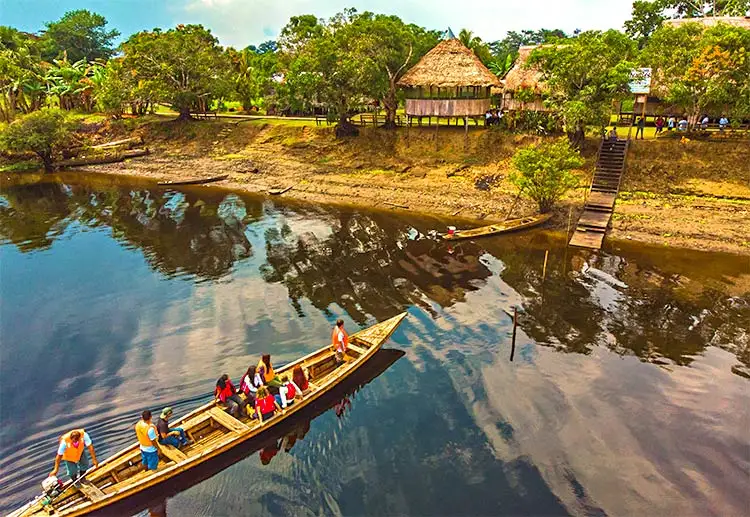
Do you want to experience the jungle with an urban twist? Iquitos is the largest city in the Peruvian Amazon and the starting point for many adventures. Here you can browse markets full of exotic flavors, listen to local music, and try authentic Amazonian dishes. Tours depart from Iquitos to nature reserves, indigenous communities, and excursions to discover the region’s unique flora and fauna. It’s the perfect place to combine culture, adventure, and relaxation.
Iquitos is accessible only by air or river. From Lima, there are direct flights of approximately 1 hour and 45 minutes. You can also reach it by river from nearby cities, but it’s a much longer trip.
What tour to take:
From Iquitos, you can choose from a wide variety of tours: short day trips to the Allpahuayo-Mishana National Reserve, visits to the Belén market, walks along the Amazon River, and cultural tours to indigenous communities.
Exploring the Peruvian Amazon is an adventure that awakens all the senses and connects with the region’s living history. For those looking to immerse themselves in this experience in an authentic and safe way, options like those offered by some Peru travel agency allow you to discover the jungle with experts who know every corner and its mysteries.

5. Amazonian Indigenous Communities
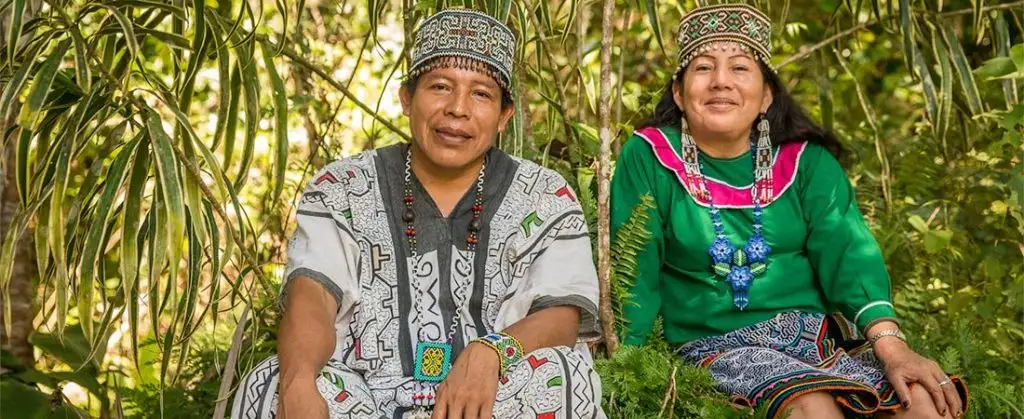
One of the most enriching experiences in the Peruvian jungle is visiting communities like the Yagua, Shipibo-Konibo, or Bora. Here you will not only learn about their crafts, music, and traditions, but you will also experience firsthand the mysteries of the Amazon jungle and be able to stay in the community to see the starry night sky.
Many indigenous communities are located in areas accessible from Puerto Maldonado or Iquitos, depending on the region. They are generally reached by boat or on foot from nearby towns.
What tours to take:
Tours include stays in the communities, where you can participate in traditional activities such as preparing natural medicines, artisanal fishing, craft workshops, and cultural ceremonies. These experiences offer a deep connection with the Amazonian culture and lifestyle.
You might be interested: Exploring the Biodiversity of Cloud Forest Peru in Manu

Travel and discover the Amazon jungle mysteries
Now that you know everything about the fascinating Amazonian worldview, it’s time to pack your backpack and prepare for an adventure that will change your life. Get ready to discover the complete mythology of Paititi or discover a new species of exotic butterfly. The jungle never ceases to amaze! So dust off those boots, get your camera ready, and open your mind to the unexpected. The jungle is calling you with its ancient mysteries and awaits you with open arms to discover everything it holds. Ready to be part of this unique experience?

