Planning a trip around the festivals in Cusco this year? You’ll want our full itinerary. We’ve pulled together the key dates and the biggest celebrations so you can plan ahead and get close to the real thing, Andean traditions in motion, dancers, music, and all.
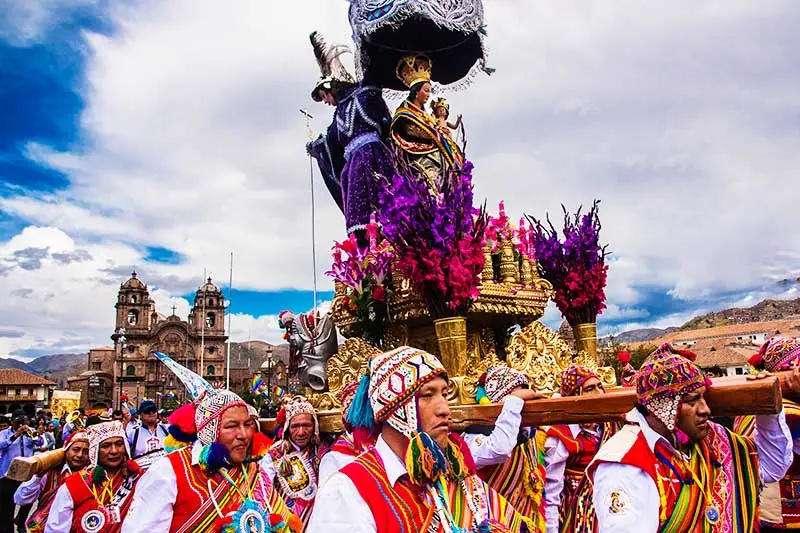
I ended up in Cusco one June without really knowing what was going on, and somehow found myself swept into a procession crossing the Plaza de Armas, music blasting, dancers everywhere. That’s basically how this list came together: a rundown of the best festivities so you don’t miss out like I almost did.
Why is Cusco the capital of traditional festivals in Peru?
Ask any local and they’ll tell you: Cusco isn’t just Peru’s most visited city, it’s where the country’s traditional festivals really live. The Inca legacy here never faded. It mixed with Catholic celebrations brought over centuries ago, and what came out of that mix is wild, a calendar with over 3,000 celebrations a year.
Every single month has something going on. Rituals, dancers dressed in costumes passed down for generations, music that sounds like it’s coming straight from the mountains, and this religious blend you really don’t find anywhere else, Andean beliefs and Christian faith, side by side. And it’s not for show. These festivals are how people here hold onto who they are. Cultural resistance, spiritual connection, community. The whole town turns out because keeping these traditions alive matters to them.
You might be interested: 7 National Parks in the Amazon
Famous festivals in Cusco
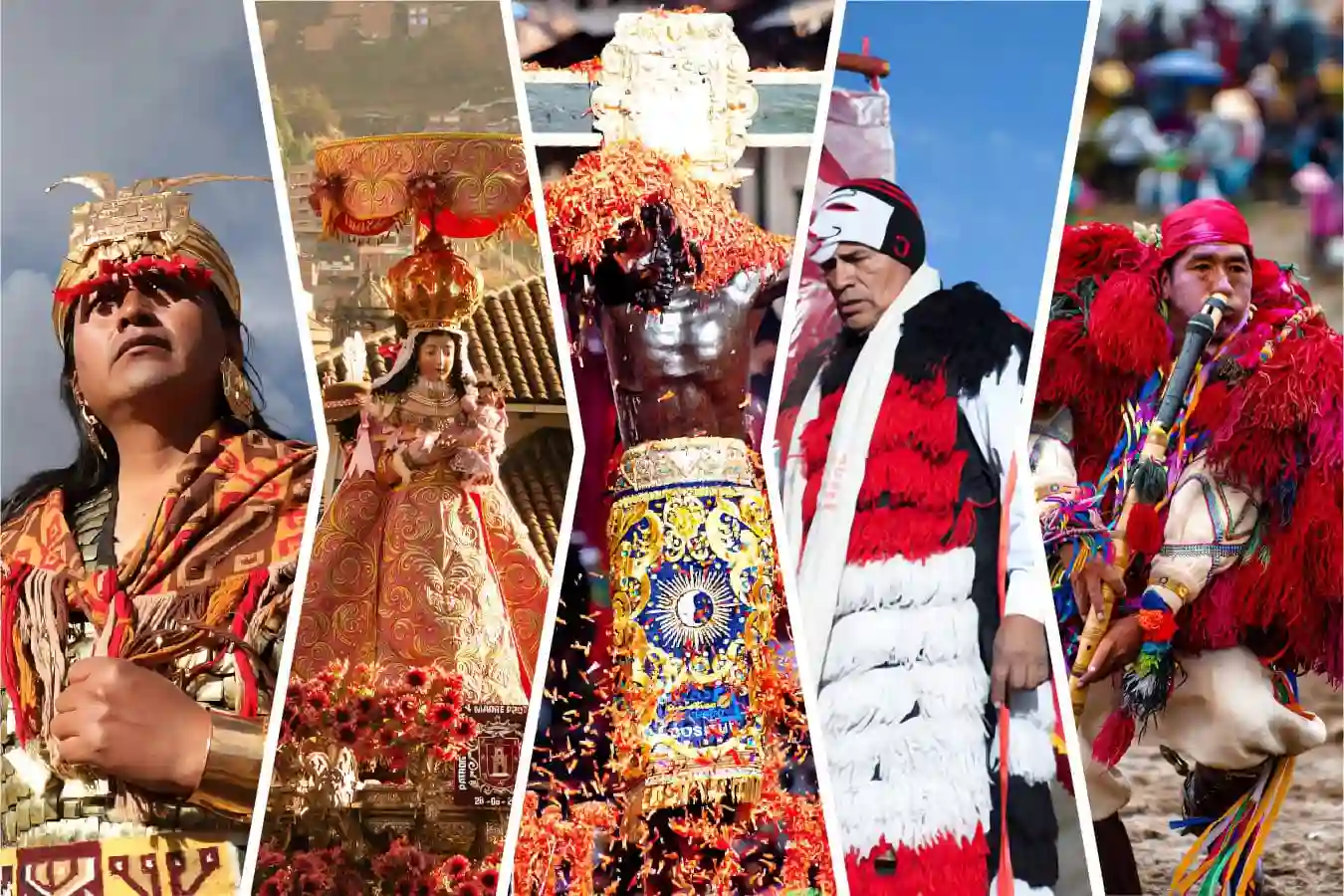
Ever wonder why Cusco gets called Peru’s festival capital? It’s because this city packs in over 3,000 celebrations a year, everything from ancient Inca rituals to Catholic traditions layered on top over centuries. Tours in Cusco book up fast pretty much year round because of it. Inti Raymi, Corpus Christi, Santurantikuy, these aren’t just festivals. They’re history acted out live, right there in the plazas, streets, and old Inca temples. Show up in January or December, doesn’t matter. There’s always something to dance to, pray over, or just stand there and take in, because that’s what makes Cusco feel like the beating heart of Peru.
1. January
January doesn’t get much hype compared to June, but Cusco’s already moving. Faith runs deep here, and this month sets the tone.
January 6, Bajada de Reyes
Every January 6th. Statues come down from the altars, get loaded onto platforms, and the whole thing turns into a procession through the streets, music, dancers, the works. San Sebastián and San Jerónimo take this one seriously. This is where Cusco’s festival calendar really starts.
January 17, San Antonio Abad (patron saint of animals)
Head to San Cristóbal on the 17th and you’ll see something you don’t get everywhere: people lined up with their animals, dogs, llamas, whatever they’ve got, waiting for a blessing. No frills, no big production. Just people showing up for something they actually believe in.
January 20 – Saint Sebastian and Saint Christopher the Child
On January 20, the district of San Sebastián is filled with devotion and celebration to honor Saint Sebastian and Saint Christopher the Child, with masses, fairs, and community participation that has been kept alive for generations.
March in Cusco feels like the rhythm of the year begins to accelerate. The days grow warmer, the streets more animated, and the cultural heartbeat of the city gains fuerza with traditions that celebrate unity, joy, and devotion.
2. February
February in Cusco is a vibrant mix of tradition, mysticism, and community celebration. It is a month that transitions between the sacred and the festive, where each gathering keeps the oldest customs of the Andes alive.
February 2–3 – Virgen Purificada, San Blas, and Tupay Tuqtu
The beginning of the month is marked by the veneration of the Virgen Purificada and San Blas, patron saints of traditional neighborhoods. Processions fill the city streets with color and faith. At the same time, the Tupay Tuqtu, an ancient ritual battle between communities, is celebrated in the heights of Chumbivilcas as a symbolic way of resolving conflicts and maintaining social balance.
February 27 – Day of the Compadres
Days before Carnival, men celebrate Compadres Day with satire, dolls hanging from balconies, and plenty of mischief. It is a celebration to honor male friendship, but also to laugh out loud and prepare the spirit for what is to come. Each neighborhood creates rag dolls representing funny or critical scenes from everyday life.
3. March
March in Cusco feels like the rhythm of the year begins to accelerate. The days grow warmer, the streets more animated, and the cultural heartbeat of the city gains fuerza with traditions that celebrate unity, joy, and devotion.
March 6 – Día de las Comadres
Just days before carnival, the women of Cusco take center stage to celebrate the Día de las Comadres. It is a moment of satire and sorority, where handmade dolls, some humorous, some irreverent, are exchanged or displayed in homes and plazas, all while the community gathers for music, food, and laughter that reinforces the strength of local bonds.
March 9–15 – Cusco Carnival
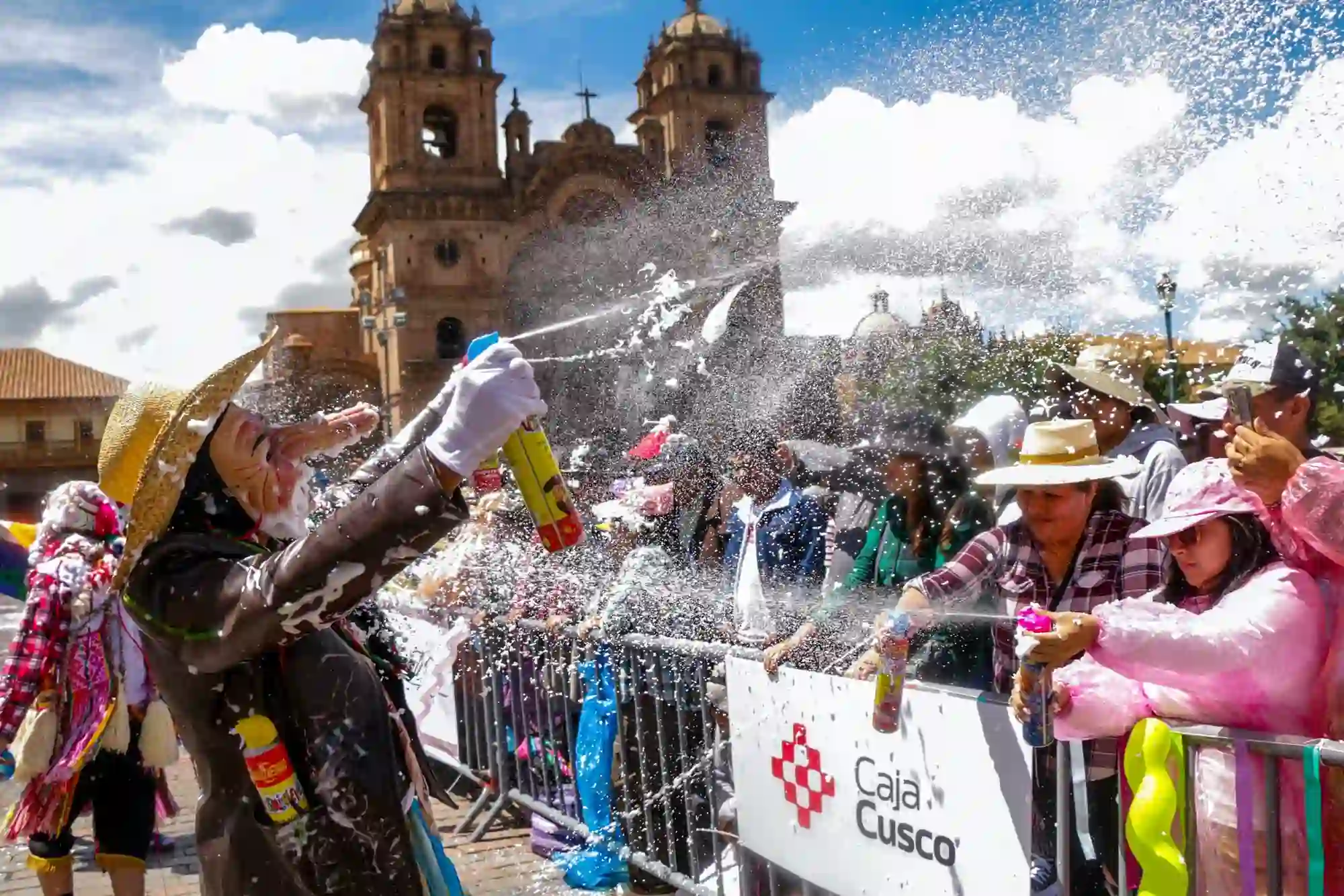
During Carnival, the city becomes a living painting of color, water, and joy. From the neighborhoods to the main square, people play with water, foam, and colorful powders, while parades of dancers and musicians take over the streets. Traditional dishes are shared with neighbors, and every corner of Cusco pulses with celebration.
4. April
If you’re visiting Cusco in April for its vibrant festivals, why not extend your journey into the heart of the Amazon? Just a short trip away, the tambopata lodges welcome you with the soothing sounds of the jungle, star-filled skies, and the magic of waking up to the call of exotic birds. It’s the perfect contrast like celebrating centuries-old Andean traditions in Cusco, then immersing yourself in the wild beauty of the rainforest. In April, both worlds feel especially alive, offering a once-in-a-lifetime blend of culture and nature.
April 13–20 – Holy Week (Semana Santa)
From Palm Sunday to Easter Sunday, Cusco commemorates the passion, death, and resurrection of Christ with masses, symbolic processions, and family gatherings. Local markets fill with traditional foods, and each day is marked by a different ritual. For many, it’s also a time of return, when those living far from home reunite with family and faith.
Procession of the Lord of the Earthquakes (Holy Monday)
This is Cusco’s main religious festival. It involves the Purple Christ, the city’s patron saint, who is carried in procession through the Plaza de Armas as a symbol of protection against natural disasters, especially earthquakes. Thousands of people accompany him with prayers and ñucchu flowers.
5. May
Festivals in Cusco don’t pause during May, a month of transition. The rainy season comes to a close, and communities begin to prepare for the intense month of June. Still, the city keeps moving, celebrations rooted in the land and devotion bring people together.
May 3 – Cruz Velacuy
Across hills and neighborhoods, wooden crosses are adorned with flowers, fabrics, and candles during Cruz Velacuy. It’s a celebration that blends Catholic symbolism with the Andean reverence for apus, the sacred mountain spirits. Communities gather to honor these crosses with music, food, and ritual offerings.
May 19 – Señor de Torrechayoc
In the sacred valley town of Urubamba, this festival brings together faith and fiesta. The streets fill with dancers, fireworks, and heartfelt devotion as the image of the Señor de Torrechayoc is paraded through town, protecting its people and blessing the land.
Late May – Cusqueña Beer Festival
As a prelude to June’s festivities, the Cusqueña Beer Festival invites locals and travelers to enjoy music, dance, and the region’s most popular beer. It’s a modern addition to the cultural calendar, blending tradition with contemporary celebration.
6. June
June is one of the most important months in Cusco’s cultural calendar. The city enters a cycle of profound rituals, ancestral memories and massive celebrations where the streets become the main stage. Every corner breathes tradition, and thousands of travelers arrive to witness the legacy of a civilization that still beats strongly.
June 8–11 – Q’eswachaka
In the remote highlands of Canas, hundreds of community members gather each year to rebuild the Q’eswachaka, the last Inca rope bridge made of ichu (Andean grass). For four days, families work side by side weaving each fiber, singing traditional songs and honoring Pachamama. This isn’t just a ritual, it’s a living piece of history suspended over the Apurímac River.
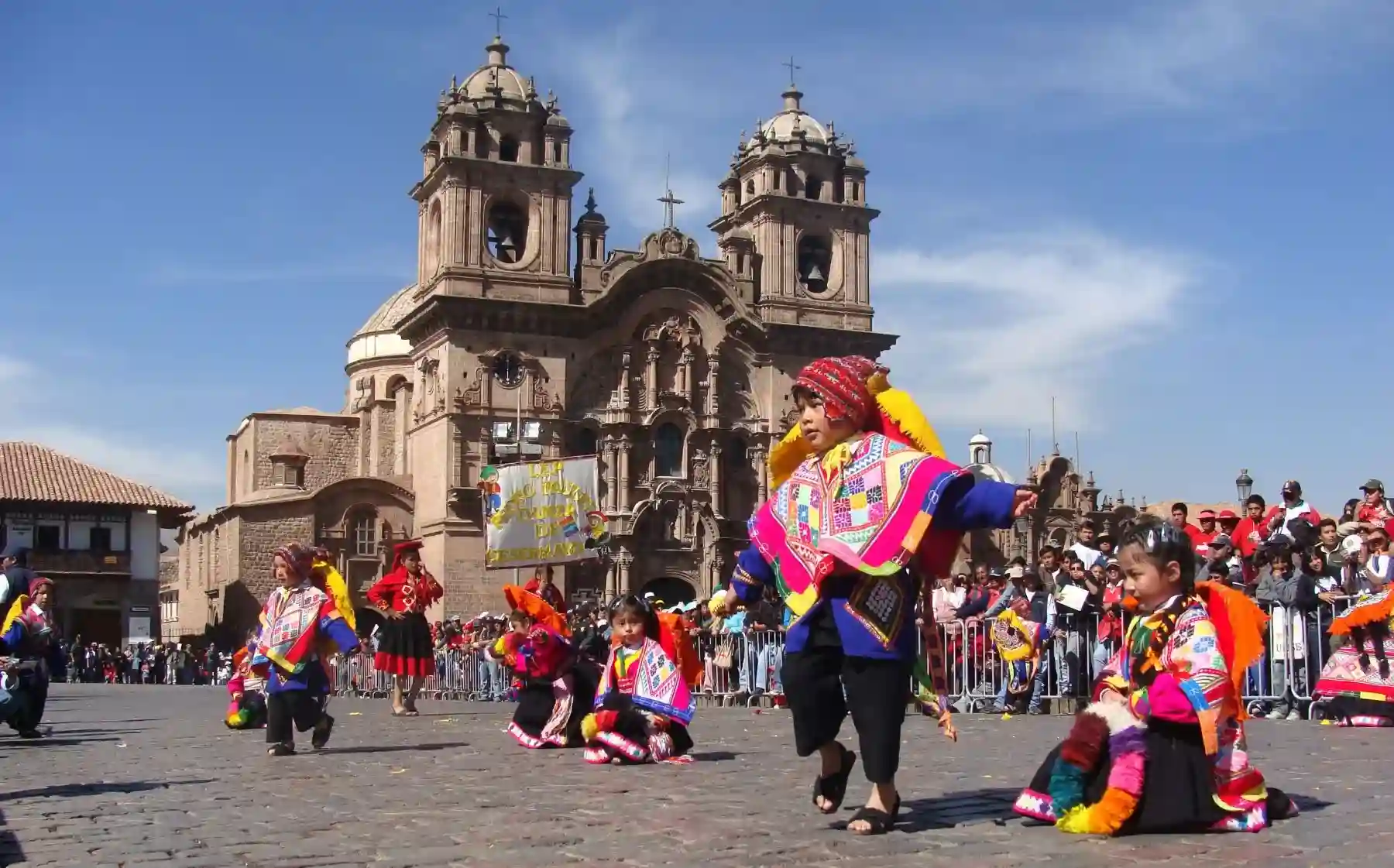
June 10–22 – Dance Parades and Cultural Shows
As a prelude to the main celebrations of the month, Cusco’s main square hosts parades of traditional dances, school delegations, music groups and rural communities. Each presentation is an explosion of color, sound and identity that showcases the enormous cultural diversity of the region.
June 13–15 – Qoyllur Rit’i
High in the snow-capped mountains of Ausangate, thousands of pilgrims walk in silence to reach the sanctuary of Sinakara. Qoyllur Rit’i, meaning “Star of the Snow”, is a deeply spiritual experience that merges Catholic devotion with Andean cosmovision. The journey is long and cold, but also deeply transformative for those who participate.
June 18–19 – Corpus Christi
In the heart of Cusco, fifteen saints and virgins from different parishes are brought to the Cathedral in a majestic procession that dates back to colonial times. The celebration is accompanied by the traditional chiri uchu, a cold dish with roasted cuy, seaweed, corn cake, and cheese, only served on this day. The air is filled with incense, faith, and celebration.
June 22 – Parade of the 13 Provinces
Cusco’s identity is also celebrated through its diversity. Representatives from the 13 provinces parade through the historic center with dances, symbols and music from their communities, reaffirming their pride and connection to the ancient capital of Tawantinsuyo.
June 24 – Inti Raymi
The most iconic festival of the year, inti raymi in cusco, takes place every June 24. Thousands gather at Sacsayhuamán to witness a grand theatrical reenactment of the Inca Festival of the Sun. The Inca, priests and nobles in full regalia pay tribute to Inti, the sun god, in a spectacle of ritual, dance and ancestral strength. It’s the high point of Cusco’s festivities, and for many, a once-in-a-lifetime experience.
7. July
July carries the energy of the celebrations of June but begins to turn its gaze toward national pride and regional devotions. The Andes breathe a quieter but equally deep sense of belonging.
July 15–18 – Virgen del Carmen de Paucartambo
In the colorful town of Paucartambo, thousands arrive to celebrate the virgen del Carmen festival or “Mamacha Carmen.” With over 20 traditional dance groups, masks, processions and fireworks, this is one of the most expressive and vibrant fiestas in the Peruvian Andes. The celebration moves between the sacred and the playful, creating a unique atmosphere that lasts for days.
July 25–29 – Quillabamba Festival
In the jungle province of La Convención, Quillabamba celebrates its identity with music, gastronomy, dance contests, and cultural events. This festival blends the warmth of the Amazonian highlands with the festive spirit of Cusco, creating an intercultural bridge between regions. For travelers heading to explore wonders like Sandoval lake, it offers the perfect cultural immersion before venturing into the Amazon.
8. August
August marks the beginning of the Andean New Year cycle and the moment to honor the most sacred of all elements in the Andean world: the earth. It is a month of rituals, gratitude, and spiritual reconnection.
August 1 – Pachamama Raymi
On this day, offerings are made to Pachamama, or Mother Earth, with coca leaves, chicha, fruits, corn, sweets, and other elements symbolizing abundance. The rituals take place in homes, markets, hills and archaeological centers. It is not only a tradition but a moment of sincere gratitude and hope for future harvests.
August 30 – Santa Rosa de Lima
Santa Rosa is honored throughout Peru, and Cusco is no exception. As the patron saint of the National Police and nurses, her image is taken in procession in various districts, while families attend mass to give thanks and ask for protection. Although quieter than other festivals, it remains an important date in the Catholic calendar.
9. September
September rolls in with that first hint of spring, and if you’re tracking festivals in Cusco, this is a month built around spiritual reflection. It’s less about big parades and more about new beginnings, spiritual growth, and reconnecting with the apus, the sacred mountains that watch over everything here.
September 6–12 – Virgen de la Natividad
Throughout the city and in towns like Chinchero and Almudena, the Virgin of the Nativity is celebrated with music, dances, and heartfelt devotion. The image of the Virgin is adorned with flowers and velvet, and carried through the streets while the townspeople offer songs and gratitude. It’s a moment of tenderness and protection that brings families together.
September 14 – Señor de Huanca
In the village of San Salvador, thousands of pilgrims walk, many barefoot, toward the Sanctuary of the Señor de Huanca. They come to give thanks or ask for healing. The atmosphere is serene, filled with candles, silence, and faith. Along the path, vendors sell herbs, amulets, and images of the Lord, adding to the ritual experience.
September 18 – Warachikuy (third Sunday of September)
At Sacsayhuamán, the ancient Inca rite of Warachikuy is reenacted by hundreds of students. Once a coming-of-age ceremony for young warriors, today it combines theatrical performance and physical trials that symbolize strength, discipline, and community responsibility. It’s one of the few festivals that recreates pre-Hispanic customs with such detail and intensity.
September 30 – Patron Saint San Jerónimo
In the district of San Jerónimo, the end of the month is marked by a lively and joyful celebration in honor of its patron saint. Dances, bands, fireworks, and religious ceremonies come together in a popular festival full of music and neighborhood pride.
10. October
October is a month of deep Catholic devotion. As the rainy season begins to hint at its return, Cusco dresses in purple and prepares for spiritual contemplation and celebration.
October 18 – Señor de los Milagros
Known as the “Christ of Pachacamilla,” the Señor de los Milagros is venerated in various districts of Cusco. Dressed in purple, devotees follow the image through the streets with candles and songs. Although this devotion originates in Lima, its presence in Cusco grows every year as part of a nationwide expression of faith.
October 31 – Día de la Canción Criolla & Halloween
Cusco embraces both local and global traditions. While children go out in costumes for Halloween, plazas and venues also host peñas criolla, live performances of Creole music, with guitar, cajón and plenty of dancing. The fusion of cultures is evident in this double celebration.
11. November
November brings a pause for memory and honor. The festivals of this month are more intimate and reflective, rooted in the Andean view of life and death as part of a continuous cycle.
November 1 – Día de Todos los Santos
Families gather to remember their ancestors with altars decorated with food, flowers, and photos. In many towns, it’s customary to prepare special breads like tantawawas (baby-shaped loaves) and share a meal by the graveside. It’s a moment of reunion between the living and the dead.
November 2 – Día de los Muertos
Cemeteries fill with music, candles, flowers and food. Rather than mourning, it is a celebration of remembrance. People visit their loved ones, clean tombs, play traditional music and recall stories that keep memory alive. It is one of the most heartfelt expressions of Andean spirituality.
12. December
December brings the closing of the festive cycle with art, devotion and a deep sense of renewal. The streets are filled with lights, fairs, and a spiritual anticipation that brings the year to an emotional close.
December 23 – Tikaranticuy
This traditional fair takes place in the days leading up to Christmas. It focuses on the sale of plants used to decorate nativity scenes, such as moss, herbs, and flowers. The Plaza de Armas becomes a marketplace of aromas and colors that remind everyone that celebration can also be rooted in nature.
December 24 – Santurantikuy
On Christmas Eve, the Plaza de Armas becomes the heart of Cusco’s most important craft fair. Hundreds of artisans from all over the region display handmade figures, miniatures and Andean retablos for nativity scenes. People walk for hours choosing the perfect “Niño Manuelito” for their home. The energy is warm, humble and full of tradition, a true celebration of Andean Christmas.
You might be interested: San Juan Festival in Peru
Food during festivals in Cusco
Cusco’s festivals aren’t just something you watch from the street, you eat your way through them too. During any big celebration, the local food scene gets packed, tourists crowding around street stalls and market stands, while back home, family kitchens are cranking out all the classics.
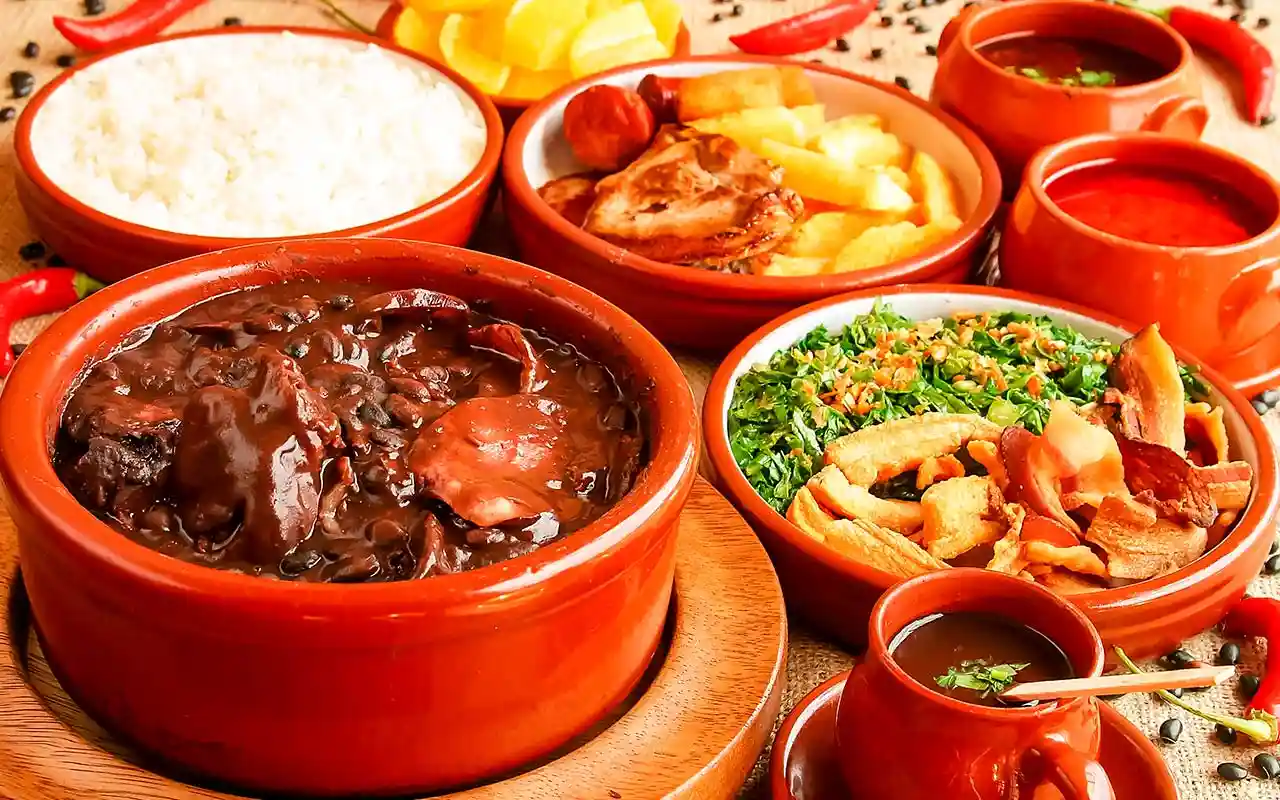
This is prime time to try chiriuchu, hands down the star dish of Corpus Christi. It’s this wild combo on one plate: guinea pig, chicken, chorizo, torreja, cheese, corn, and dried seaweed. Sounds like a lot, and it is, but that’s the point. You’ll also run into tamales, humitas, roast suckling pig, empanadas, and soups that just hit different when it’s cold out.
And drinks? Don’t skip chicha de jora. It’s an old-school fermented corn drink that’s basically non-negotiable at Andean celebrations, been around forever. Pair that with some chicha morada or a local Cusco craft beer and you’re set for whatever festival you land in.
You might be interested: Visit Peru in July
Dances during festivals in Cusco
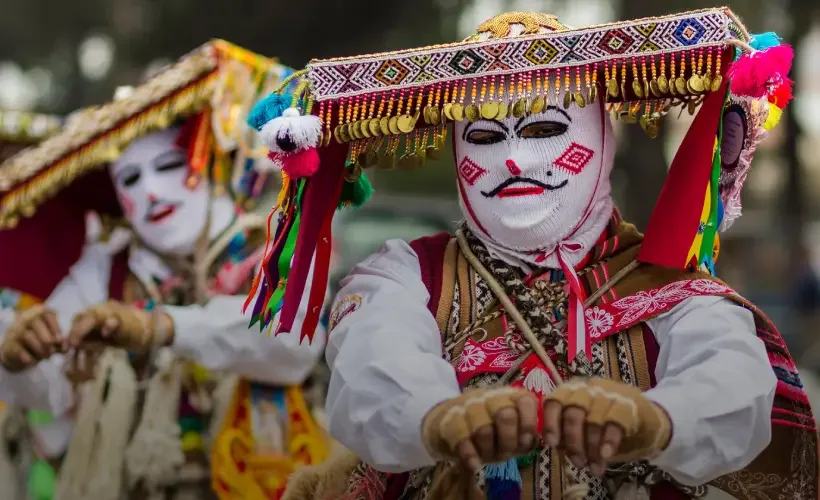
The dancers during the festivals in Cusco are the soul of the party and bring joy to the city. Through movement, music, and color, each dance tells a story typical of the festival.
During the celebrations, dozens of groups can be seen parading through the streets with complex choreographies that have been passed down from generation to generation. Dances such as the Diablada, the Qhapaq Qolla, the Chunchos, or the Saqras represent mythical characters, religious figures, or scenes from Andean mythology, blending the ancestral with the modern.
The costumes are true works of art, featuring gold embroidery, hand-carved masks, feather headdresses, decorated boots, and sequined capes. It is even common to wear masks. For example, the Qhapaq Qolla wear wool masks and hats with tassels representing merchants from the Inca era, while the Saqras wear masks of playful demons, representing mocking chaos in the face of religious order.
How to travel to festivals in Cusco
Getting to Cusco for the festivals isn’t hard, but you’ll want to plan ahead, especially in high season when flights book up and prices jump. Here’s the lowdown on getting there without a headache.
How to get to Cusco?
The fastest way is to take a direct flight from Lima. The flight takes about an hour and twenty minutes, and there are several airlines with daily departures. You can also get there by land on a long but scenic trip from Lima or other southern Andean regions such as Arequipa or Puno.
Tips during the festivals
- Book in advance. Hotels, flights, and event tickets tend to fill up quickly, especially on dates such as Inti Raymi or Corpus Christi.
- Arrive a few days early. Cusco is over 3,000 meters above sea level; taking 1 or 2 days to acclimatize will help you avoid altitude sickness.
- Dress in layers. The weather in Cusco can vary greatly during the day: strong sun in the morning and cold at night.
- Be patient. Streets may be closed for parades and there may be crowds, but that’s part of the charm of the festivities.
- Find out the exact dates. Although many festivals are in June, the calendars can change every year.
You might be interested: Ecotourism in Amazon Rainforest of Peru
Experience festivals in Cusco
Now that you know the complete calendar of festivals in Cusco for this year, it’s the perfect time to experience at least one of them firsthand. Cusco awaits you with open arms, full of color, music, and tradition. From religious celebrations filled with devotion to popular festivals full of joy, each event is an opportunity to connect with the living history of the Andes. Let yourself be enveloped by its mystical energy and discover why every festival in Cusco is an experience that will stay with you forever.

