
Every year, carnivals in Peru welcome tens of thousands of visitors to different regions of the country. Celebrations such as the Cajamarca Carnival attract more than 100,000 attendees, while regions such as Junín expect more than 200,000 tourists during these festive dates.
If you also want to be part of this experience, in this article you will discover the most famous carnivals in Peru, their main traditions, and some tips to enjoy each celebration to the fullest.
You might be interested: Festivals in Cusco month by month

What makes carnivals in Peru so unique
Carnivals in Peru are unique due to the profound fusion between ancestral Andean traditions and European customs introduced during the colonial era. Unlike other countries, the Peruvian carnival is not limited to parades or urban parties, but maintains a strong link with community identity, agricultural cycles, and local celebrations, where collective participation is essential.
A distinctive feature is that some carnivals have received official recognition for their cultural value. The Cajamarca Carnival, considered the most important in the country, has been declared a National Cultural Heritage Site, consolidating its status as a symbol of Peruvian carnival nationwide. Likewise, in the southern Andean regions, carnival celebrations are integrated with festivities recognized by UNESCO, such as the Feast of the Virgin of Candelaria in Puno, highlighting the cultural richness of the country’s festive calendar.
You might be interested: 15 Traditional food in Peru

History of carnivals in Peru
The history of carnivals in Peru dates back to pre-Hispanic times, when Andean communities held celebrations linked to the fertility of the land, rainfall, and agriculture.
With the arrival of the Spanish in the 16th century, these traditions merged with the European carnival, associated with the Christian calendar and the celebrations prior to Lent. Over time, both influences combined, giving rise to the current carnivals, where Catholic, festive, and indigenous elements coexist.
During the 19th and 20th centuries, carnivals became established as one of the most important festivities in the country, especially in regions such as Cajamarca, Cusco Ayacucho, and Puno.
Ancient Andean roots and indigenous traditions
In the pre-Hispanic world, these celebrations were closely linked to agricultural cycles, especially the rainy season, a key moment for the fertility of the land. Communities performed collective rituals to thank Pachamama (Mother Earth) and ask for good harvests, combining music, dances, songs, and offerings.
Many of these indigenous traditions are still alive today in Andean carnivals. Practices such as yunza or cortamonte, where a tree laden with gifts is decorated and cut down, symbolize abundance and community work.
You might be interested: 40 Animals in the peruvian amazon
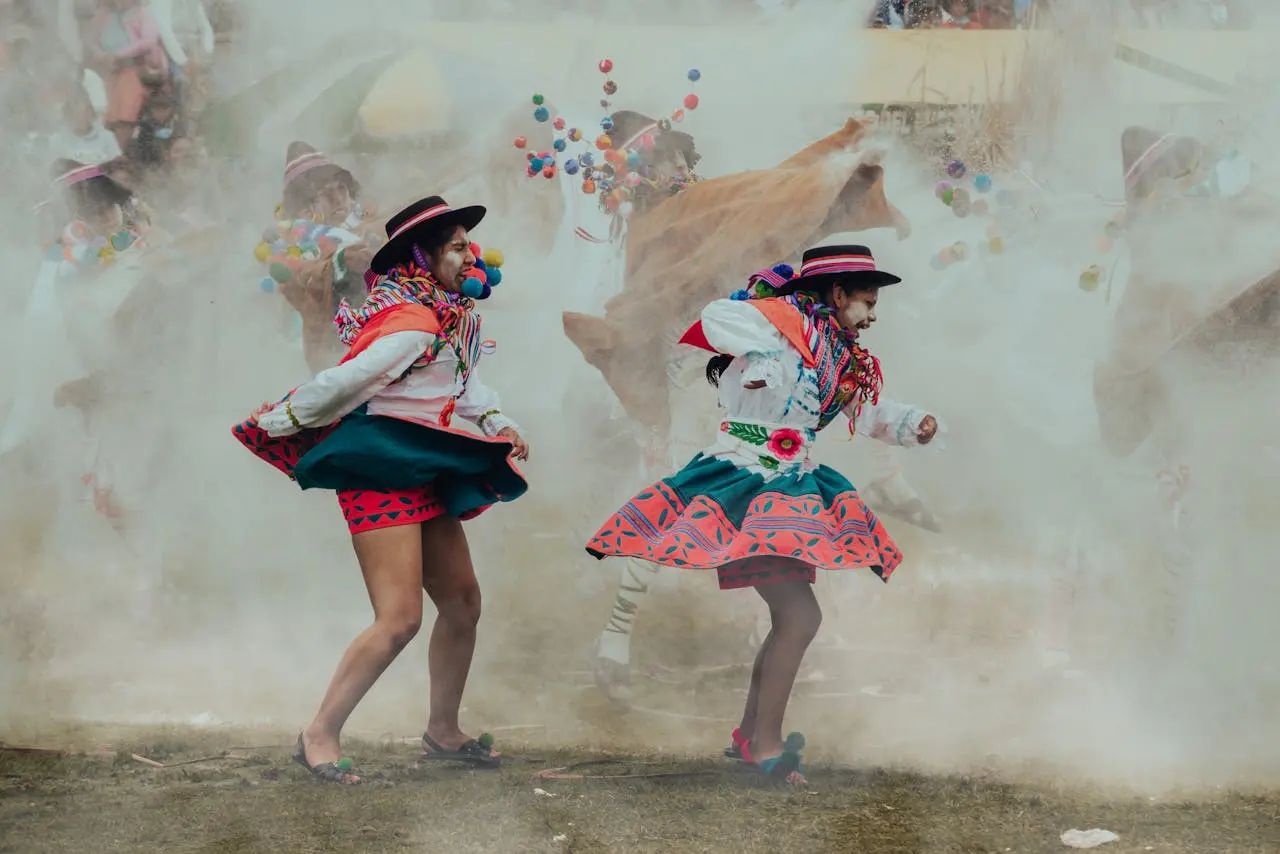
When are the carnivals celebrated in Peru?
Carnivals in Peru usually take place between February and the beginning of March, in line with the Catholic calendar and the period leading up to Lent. While the dates vary each year, the most intense celebrations typically occur around Carnival Sunday and Carnival Monday.
Where are the carnivals celebrated in Peru?
In the Andean regions, carnivals are especially significant and deeply rooted in indigenous traditions. Cities such as Cajamarca, Cusco, Ayacucho, and Puno host some of the most important celebrations, featuring traditional music, symbolic rituals, water games, and community gatherings.
On the coast, carnivals tend to be more festive and urban, with parades, concerts, and public events in cities like Catacaos and Lima, often influenced by modern cultural expressions.
In the Amazon region, carnival celebrations incorporate strong indigenous elements, traditional dances, and communal festivities that reflect the close relationship between local communities and nature.
You might be interested: New year traditions in Peru

Most famous carnivals in Peru
Carnivals in Peru are some of the most colorful and joyful celebrations you’ll ever experience. Every year, towns and cities across the coast, the Andes, and the Amazon fill their streets with music, dancing, water fights, and traditions that bring entire communities together. Here, we present the most famous carnivals and what makes each one truly special.
1. Cajamarca Carnival
Considered the most important carnival in Peru and declared a National Cultural Heritage event, the Cajamarca Carnival is famous for its festive atmosphere and massive participation. The central character is Ño Carnavalón, symbol of the celebration. For several days, there are parades, dance troupes, costume contests, and live music.
What to do:
- Attend the grand parades and dance troupes
- Participate in water and paint games
- Enjoy concerts and parties in the squares
You might be interested: Best time to visit Peru Amazon
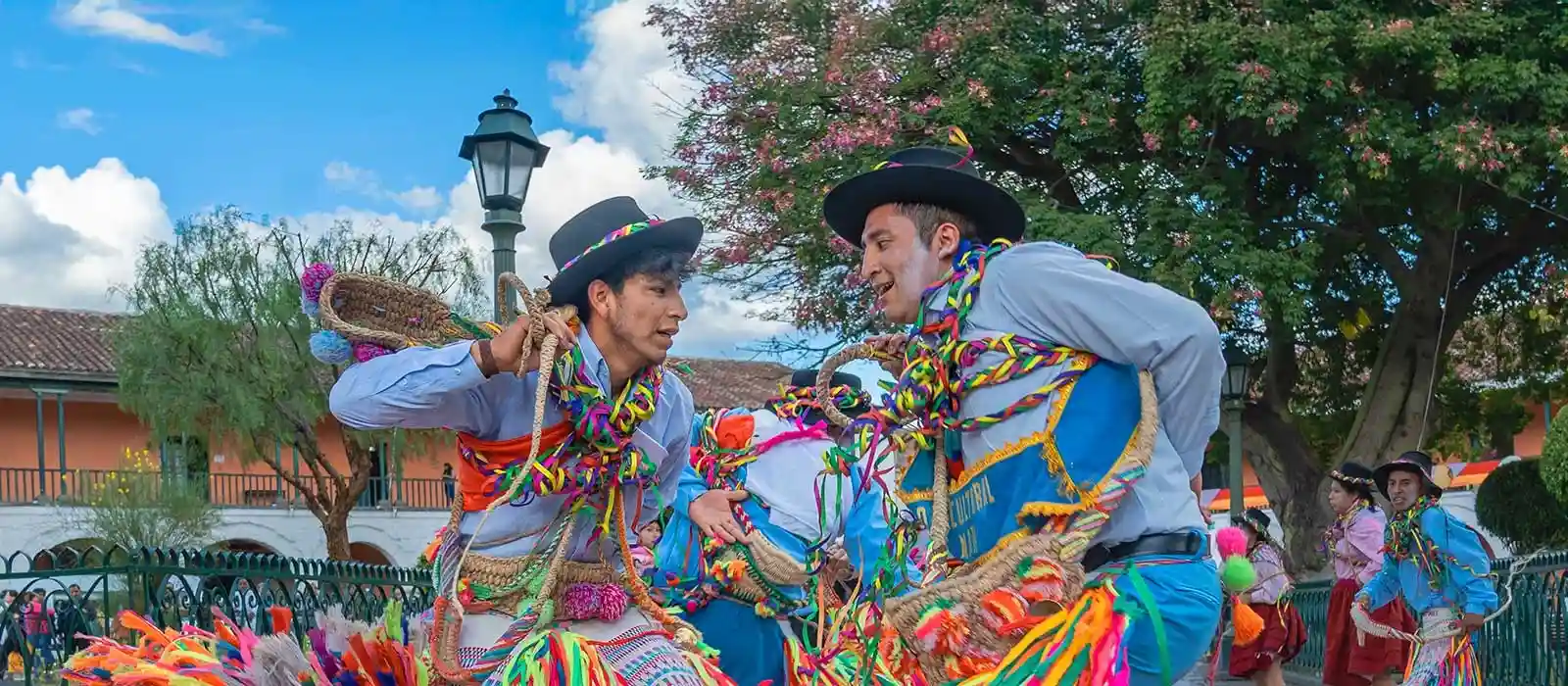
2. Ayacucho Carnival
The Ayacucho Carnival is celebrated in February and is notable for its strong Andean traditional character and the enthusiastic participation of local neighborhoods and communities. The yunzas or cortamontes are the heart of the festival and take place in different neighborhoods, accompanied by folk dances, popular songs, and live music. Parades and comparsas fill the streets with color, wearing traditional costumes that represent the cultural identity of Ayacucho. During the carnival, typical dishes and local drinks are also shared, strengthening the sense of community.
What to do:
- Participate in neighborhood yunzas
- Watch traditional dances and parades
- Explore the historic center during the celebrations
You might be interested: 15 Interesting facts about Amazon rainforest Peru
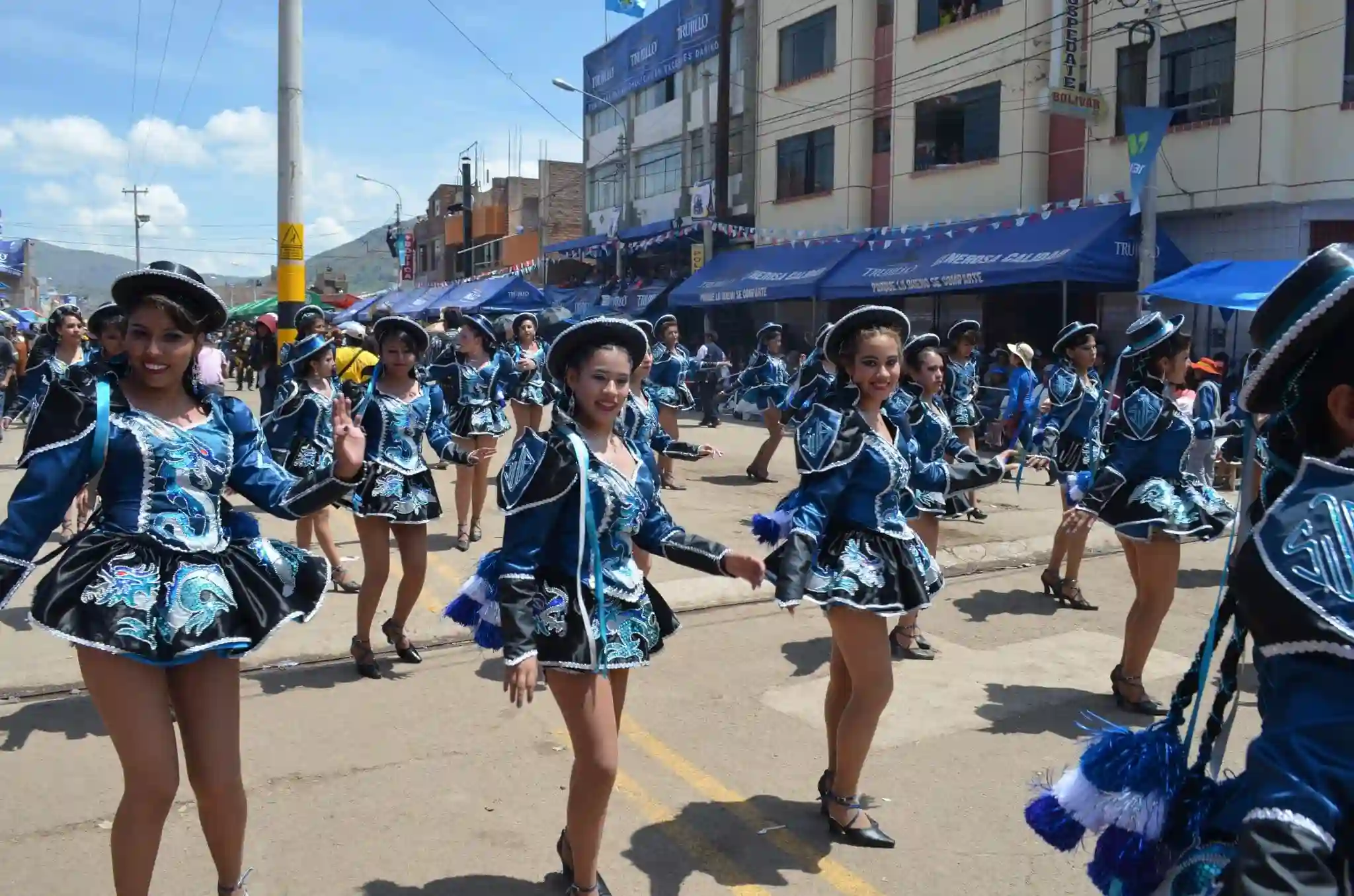
3. Carnivals of Puno
The Carnivals of Puno are deeply linked to the Feast of the Virgin of Candelaria, one of Peru’s most important cultural celebrations. Although it has a strong religious basis, it is part of the broader carnival season in the southern Andes. This festival is officially recognized by UNESCO as Intangible Cultural Heritage of Humanity, highlighting its exceptional cultural value.
What to do:
- Watch traditional dance competitions
- Attend processions and cultural events
- Get to know communities around Lake Titicaca
You might be interested: 8 Cheap places to visit in South America
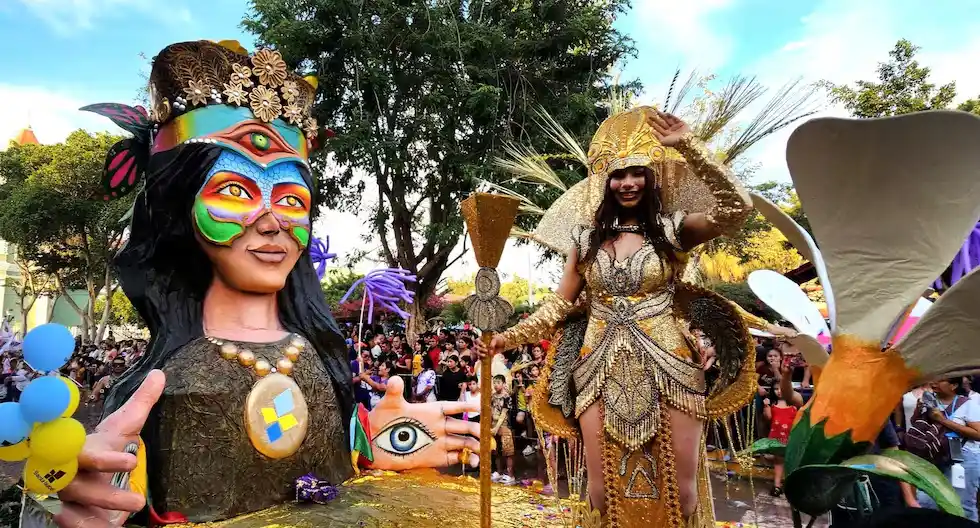
4. Catacaos Carnival
The Catacaos Carnival is one of the most iconic in northern Peru and is distinguished by its coastal and gastronomic identity. Unlike Andean carnivals, festive celebrations with music, parades, and street performances predominate here, accompanied by a renowned culinary tradition.
A unique feature of this carnival is its strong link to Piuran cuisine, considered one of the best in the country, and to the silver filigree craftsmanship typical of Catacaos. During the celebrations, it is common to visit food fairs and craft workshops while enjoying the lively and participatory atmosphere of the carnival.
You might be interested: Guide for visiting Peru in January

5. Rioja Carnival
The Rioja Carnival is one of the most representative carnivals in the San Martín region. It stands out for its dance troupes, music, water games, and a festive atmosphere that involves the entire city. This vibrant celebration also attracts travelers exploring the northern Amazon through iquitos tours who often extend their journey to experience local festivities. It is a colorful and joyful event that combines Amazonian traditions with popular customs, making it one of the most important carnivals in northeastern Peru.
Traditions during carnivals in Peru
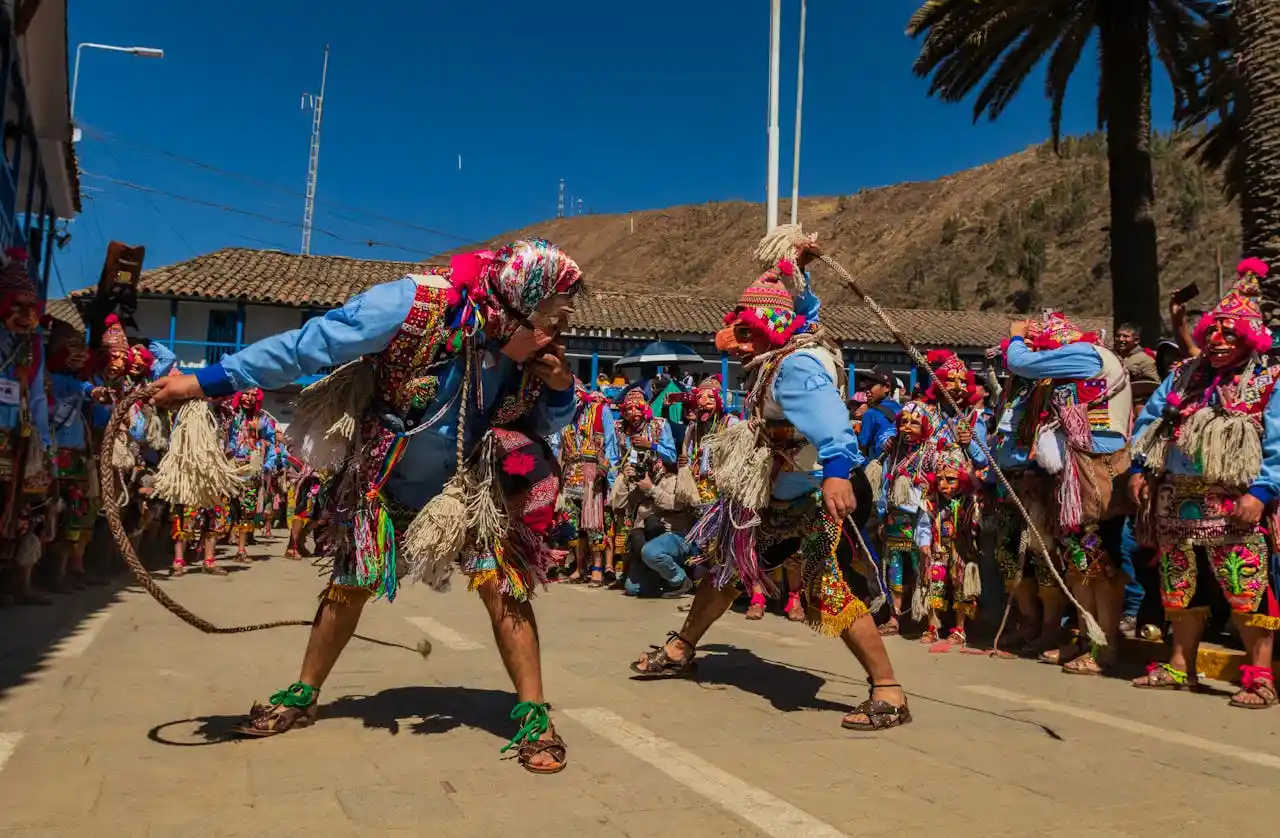
You cannot participate in the carnivals in Peru without witnessing their traditions, as they are the heart of the celebration. Water games, dances, live music, and community rituals are an essential part of these festivities, reflecting cultural identity and festive spirit.
Water, paint, and talcum powder games
These are one of the most popular expressions of carnival. They symbolize purification, joy, and abundance, and are practiced spontaneously in streets and squares. In many cities, no one is left out of these games.
Yunza or cortamonte
A tradition of Andean origin that represents fertility and community work. A tree is decorated with gifts, fruits, and local products, and participants dance around it until it is symbolically cut down.
Parades and processions
Organized groups parade through the streets with music, dancing, and costumes, representing local stories, social satire, or ancestral traditions. Each neighborhood or community usually has its own parade.
Traditional music and dances
During the carnival, huaynos, carnavales, sikuris, and other regional rhythms are performed, accompanied by traditional instruments such as quenas, charangos, and bombos.
Symbolic carnival characters
In some regions, a “king” or “queen of carnival” is chosen, or traditional figures such as Ño Carnavalón in Cajamarca, symbol of the festival, are represented.
Community gatherings
Carnival is a collective celebration where families and neighbors share food, traditional drinks, and cultural activities, reinforcing local identity.
You might be interested: All about the Peruvian Amazon tribes

Traditional clothing during carnivals in Peru
Multicolored and embroidered skirts: Mainly worn in the Andes, these skirts stand out for their elaborate designs, bright colors, and cultural symbolism linked to each community.
Traditional ponchos and vests: Garments worn by both men and women, decorated with embroidery or regional patterns that represent local identity.
Adorned hats: Traditional hats are often decorated with flowers, ribbons, mirrors, or natural elements, especially during carnival festivities.
Regional festive costumes: Each region has its own costumes that are worn exclusively during carnival, often handmade for the occasion.
Carnival masks: In some celebrations, masks representing historical figures, mythical characters, or social satire are used, adding a playful and symbolic character to the carnival.
Light clothing on the coast and in the Amazon: In these regions, cooler and more colorful garments predominate, adapted to the climate but equally decorated for the celebration.
You might be interested: Summer in Peru

Typical carnival food and drinks in Peru
During carnival season in Peru, regional cuisine takes center stage, featuring traditional recipes made with local seasonal products. One of the most representative dishes is puchero or sancochado, a hearty stew prepared especially during carnival season, made with meat, tubers, vegetables, and legumes, and very popular in the highlands.
Tamales, empanadas, chicharrón, guinea pig in some Andean regions, and a wide variety of street foods shared at fairs and community celebrations are also common. These dishes are usually eaten at family gatherings or after parades and street performances.
As for drinks, traditional ones such as chicha de jora, made from fermented corn, and chicha morada, prepared with purple corn, fruits, and spices, stand out.

Tips for enjoying Carnivals in Peru
Carnivals in Peru preserve the spirit of ancient traditions, blending ancestral customs, regional cultures, and joyful celebrations that remain a source of pride for local communities. Experiencing carnival season is more than attending a festival, it’s an opportunity to connect with Peru’s living heritage. A bit of preparation will help you fully enjoy these vibrant celebrations.
Plan your trip around local dates and destinations
Carnival dates vary by region and change every year, so it’s important to check the specific calendar of the city you plan to visit. Destinations such as Cajamarca, Cusco, Ayacucho, and Puno are known for their strong carnival traditions, but each offers a different style and atmosphere.
Dress for comfort
Carnival activities often include parades, dancing, and long hours outdoors. Wear comfortable, lightweight clothing you don’t mind getting wet or stained, as water games and foam are common in many regions.
Protect yourself from sun and weather
Many events take place during the day, often at high altitude. Use sunscreen, wear a hat, and carry a light rain jacket, especially since carnival season coincides with Peru’s rainy months.
Best destinations for first-time visitors
Travelers new to carnivals in Peru often enjoy Cajamarca for its festive atmosphere, Cusco for its blend of tradition and tourism services, and Arequipa for its balance of cultural events and modern celebrations.
Final look at the most iconic Carnivals in Peru
We hope you enjoyed this comprehensive tour of carnivals in Peru. Throughout the year, you will have the opportunity to visit iconic destinations in the country and experience its most representative festivities, where tradition and joy are expressed in every celebration.
In addition, carnivals are the perfect occasion to enjoy the local cuisine and traditional dances that accompany each festival. Let yourself be carried away by the music, dress in the typical colors of each region, and take part in celebrations that connect communities and transform squares and streets into great stages for cultural encounters.

