
Traveling to Peru in January is a great way to start 2026 if you love to travel, especially to South American countries. The peak of summer and the low season are the perfect excuse to explore your favorite destination, but first, you should read our complete guide to prepare months before your adventure. As local experts and backpackers, we’ll give you everything you need, from tips and destinations to the best routes for this month.

What to expect when visiting Peru in January
In Lima, January 2026 arrives with a distinctly summery feel: more outdoor activities, typical seasonal food fairs, and beaches with ideal weather for spending the day. In the south, in cities like Arequipa and Cusco, rain remains frequent, especially in the afternoons, but many travelers still enjoy this time of year because the streets are quieter and the landscapes become especially green and vibrant.
From a tourism perspective, January continues to be the low season in Andean destinations like Cusco, Puno, and Arequipa, which means fewer crowds and, in many cases, better prices, especially for those interested in Cusco day tours. Furthermore, in 2026, the official ticketing systems for the country’s main attractions remain in place, with increased controls to prevent informal or fraudulent ticket sales. So, this month is perfect for taking advantage of travel opportunities while enjoying a more relaxed experience.
You might be interested: New year traditions in Peru

Peru in january weather
The Peruvian climate can change drastically in a few hours, especially in Andean and jungle areas, so it is important to understand each region separately in this section.
Climate in the Andes
In the Andean region, rain is a common feature of the landscape. Days typically begin with partly cloudy skies, followed by the appearance of dense clouds in the afternoon, bringing rain or brief thunderstorms. It’s not unusual to have sunny mornings followed by a sudden, heavy downpour lasting 20 to 30 minutes.
- Cusco and the Sacred Valley: between 7°C and 20°C, with cool mornings and mild afternoons.
- Arequipa: a more moderate climate, between 10°C and 23°C, ideal for walking around the city even with occasional rain.
- Puno and the Altiplano: the cold is more pronounced, with lows near 5°C and highs around 15°C.
Rainfall can cause minor landslides on rural roads or temporary closures of remote routes, but major cities continue to function without significant disruptions.
Coastal climate
The coast experiences the most joyful time of year: long days, intense sunshine, and a summery atmosphere in all the beach resorts. Lima typically ranges between 24°C and 30°C, with humidity that feels lighter than during the rest of the year.
As you travel north, the heat also increases:
- Trujillo: between 22°C and 28°C, ideal for those seeking moderate warmth.
- Piura and Máncora: higher temperatures, frequently between 28°C and 34°C, with warm seas and almost guaranteed clear skies.
- Paracas maintains a stable and windy climate, perfect for sailing to the Ballestas Islands, while Ica enjoys dry, hot, and rain-free days, ideal for activities like sandboarding or visiting wineries.
Climate in the Amazon
In the rainforest, rain is a natural part of the environment, especially during Tambopata jungle tours. Humidity is very high, rivers swell, and the heat remains constant for most of the day. On average, the Amazon experiences temperatures between 23°C and 31°C, with a higher perceived temperature due to the humidity.
The rains usually fall in intense but temporary bursts, and although they can flood some sections of the forest, lodges and tour operators are prepared for these conditions. Therefore, activities are rarely canceled: routes are simply adjusted or the order of the itinerary is changed.
You might be interested: Christmas Traditions in Peru: Festivities & Food
Traveling to Peru in january
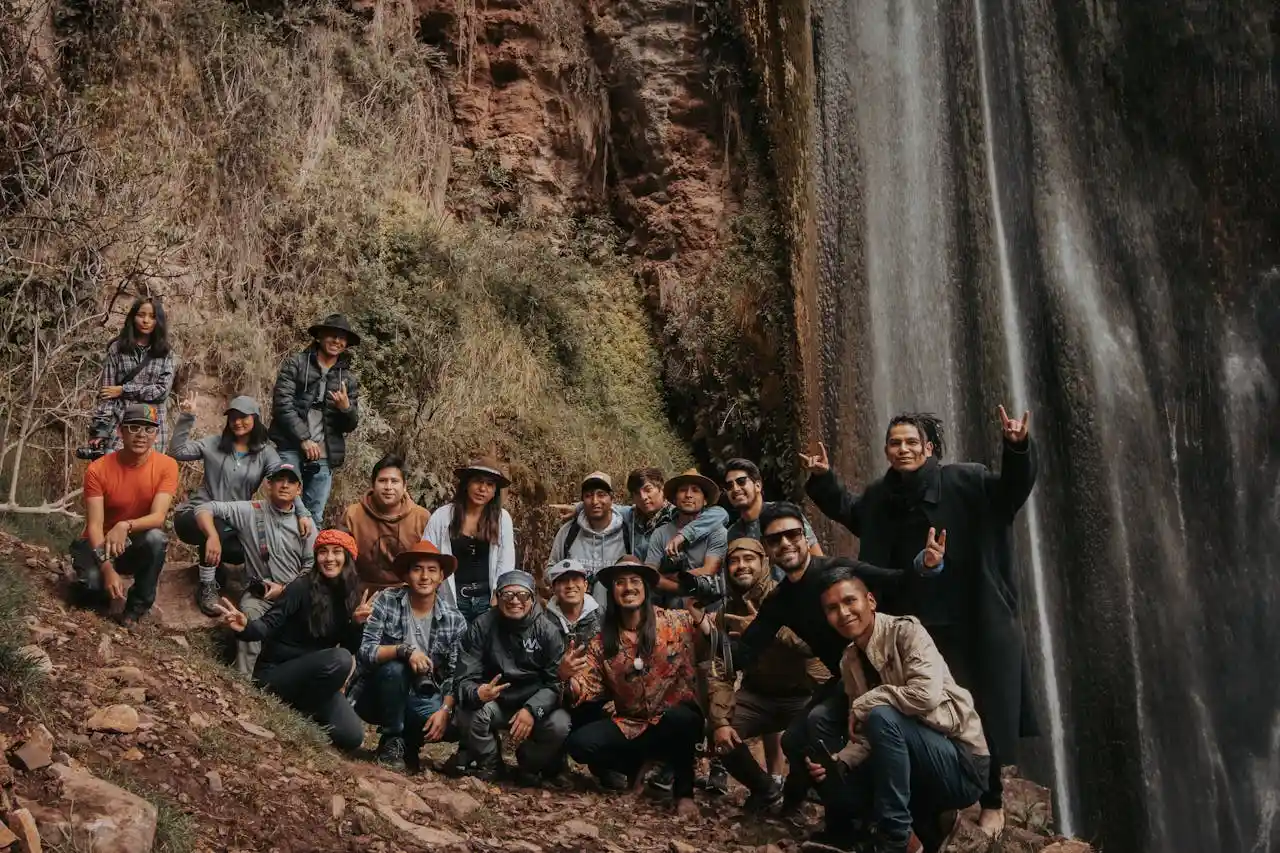
Traveling to Peru in January is much easier than you might think, because Lima is one of the best-connected airports in South America, receiving the majority of international flights and allowing you to quickly connect to destinations like Cusco, Arequipa, Piura, or Tarapoto. In this section, you’ll find everything you need to plan your flight and transportation to reach your destination.
Flights from other countries
From the United States, especially from Miami, Los Angeles, or New York, round-trip tickets typically range from $350 to $750. Miami is usually the most direct route and offers the best prices.
From Canada, cities like Toronto and Montreal offer flights to Lima with prices averaging between 600 and 950 Canadian dollars. Some flights require a layover, but the total travel time remains reasonable.
From the United Kingdom, flights from London to Lima typically include a layover in Europe or the United States. The most common fares range from 680 to 950 pounds sterling. This route is fairly reliable and offers good availability throughout the year.
From Mexico, from both Mexico City and Cancun, prices range from $320 to $550, with several direct options throughout the week.
From Spain, the Madrid-Lima route continues to be one of the most popular. Fares vary between €650 and €950. From Barcelona, a layover is usually required, although the final cost is generally similar.
Roads and general recommendations
When traveling by road, it’s advisable to consider weather conditions, especially in mountainous areas. In the highlands, rain can cause landslides on secondary roads, so it’s always helpful to check local advisories before setting out. Major cities generally have their roads open, but rural routes may experience longer than usual delays.
The coast has roads in good condition, especially the Pan-American Highway North and South, where traffic flows normally. In the jungle, it’s common to encounter sections with mud or deep puddles, although access to tourist destinations operates without major problems with suitable vehicles.
As a general recommendation, it’s best to travel during the day if the route includes Andean areas, choose reputable companies, and if the itinerary includes cities above 3,000 meters in altitude, ascend gradually to avoid discomfort.
You might be interested: Festivals in Cusco month by month

5 Best places to visit in Peru in January 2026
Are you planning to choose the best destination to start the year? Here are the 5 Best Places to Visit in Peru in January. These places offer the best mix of good weather, culture, and nature.
1. Lima
January is one of the most enjoyable moments to experience Lima. The coast glows under the full summer sun, the boardwalk fills with runners, surfers, and families, and places like Miraflores and Barranco become vibrant hubs for beach events, open-air concerts, and world-class cuisine, making it the perfect season to enjoy unforgettable Lima tours. Getting here is simple, as most international flights land directly in Lima, giving you an easy and convenient start to your Peruvian adventure.
2. Ica
Hot, dry summer weather turns Ica into a paradise for thrill-seekers. Huacachina’s oasis feels alive with travelers diving into sandboarding, dune buggy rides, and lazy afternoons by the lagoon. Getting here is easy from Paracas or Lima, with buses and private transfers taking you straight into the desert’s heart.
3. Cusco
January brings showers, but it also paints Cusco in lush greens and gives the city a peaceful rhythm you won’t find in high season. It’s a wonderful time for travelers who love museums, workshops, markets, and local festivals. You can fly directly from Lima, and Machu Picchu remains open, though expect muddy trails and foggy magic.
4. Puerto Maldonado
January is rainy in the rainforest, but it’s also when the Amazon feels most alive. Rising rivers bring more wildlife to the shores, and clay lick tours reveal vibrant macaws, monkeys, and countless jungle species. Puerto Maldonado is reached by a short flight from Lima or Cusco, followed by a boat trip to your lodge.
5. Arequipa
Arequipa offers a pleasant break from the heavier rains of other Andean regions. The “White City” stays relatively dry and warm, making it perfect for wandering its colonial streets, visiting the Santa Catalina Monastery, and enjoying panoramic views of the volcanoes that surround the city. It’s also a great base for visiting the Colca Canyon, where you can spot condors gliding over dramatic valleys. You can reach Arequipa easily by a short domestic flight from Lima or Cusco.
You might be interested: Visiting Peru in November Guide

What to do in Peru in january
The country offers the best experiences and activities depending on the region you choose. While the coast enjoys its peak season in the summer, the Andes and the Amazon remain active with activities that adapt well to the rain and changeable weather.
Museums and Historic Centers
Museums and colonial centers offer a peaceful and comprehensive experience, especially during Lima’s summer. It’s a great time to explore galleries, plazas, and monuments without the crowds of other seasons. Lima’s Historic Center is bustling, while Arequipa’s feels more temperate and pleasant for walking.
Where to: Lima, Arequipa, Cusco
Food routes
Peruvian cuisine intensifies with fresh summer ingredients. In Lima, the Barranco and Miraflores districts combine seafood, cafes, and bars with a warm atmosphere and ocean views. Arequipa maintains its traditional picanterías (traditional restaurants), while Cusco adds modern Andean offerings.
Where to: Lima, Arequipa, Cusco
Accessible ruins
There are archaeological sites that operate well even with occasional rain. In the Sacred Valley, places like Pisac, Moray, and Chinchero maintain safe access and offer spectacular views, and travelers can also combine these visits with outdoor experiences such as the Atv Quad Biking Tour, which is especially popular during the greener months. In Cusco, Sacsayhuamán remains a classic destination for a clear morning, while the seasonal vegetation makes the photos stand out more than during the dry season.
Where to go: Pisac, Chinchero, Moray, Sacsayhuamán.
Surfing and water sports
The coast is at its best. Lima offers consistent waves all day long and surf schools for all ages. In the north, the sea warms up, and the conditions are ideal for surfing, stand-up paddleboarding, or simply swimming without getting cold.
Where to go: Lima, Máncora, Vichayito, Punta Sal.

Paracas and its bay
The weather is stable, with no rain, making for easy sailing. Tours to the Ballestas Islands offer the chance to see sea lions, penguins, and birds in all their activity. In the National Reserve, you can appreciate the contrast between the desert and the ocean, one of the most characteristic landscapes of the Peruvian coast.
Where to go: Paracas, Ica.
Sandboarding and dune buggy rides
In Ica, the Huacachina Lagoon is perfect for adventure activities like sandboarding and dune buggy rides. This time of year offers clear skies, allowing you to enjoy the giant dunes without interruption. Evenings are usually ideal thanks to the warm light of the setting sun.
Where to do it: Huacachina, Ica
Visits to archaeological sites
The archaeological site remains open and receives fewer visitors than during peak season, allowing for a more relaxed experience. The mountains are lush and green, and the landscapes are more vibrant. It’s important to note that afternoons often bring rain, so it’s best to arrive early. In the Sacred Valley, the agricultural fields and terraces are especially beautiful. Where to do it: Machu Picchu, Sacred Valley
Trekking and long hikes
Routes like the Inca Trail are open, but the terrain becomes slippery due to the humidity. It is only recommended for experienced hikers in good physical condition. Visibility can be limited.
You might be interested: Festivals in Cusco month by month

Festivals and events in Peru in January
In this section I want to tell you about the festivities and events you can find if you decide to travel to Peru in January. You will discover Catholic celebrations and dance festivals like the Marinera, as well as the commemoration of the anniversary of the City of Kings.
Bajada de Reyes (January 6)
In Cusco and many Andean towns, Epiphany is a vibrant blend of Catholic devotion and ancestral tradition. Processions wind through stone streets, accompanied by brass bands, dancers in embroidered costumes and families carrying images of the Three Wise Men. In places like Ollantaytambo, the celebration feels especially unique because it merges the Biblical story with Andean symbolism, where offerings to the mountains and blessings for the year ahead coexist in a single communal ritual.
Fiesta del Niño Occe (January 4)
In Huancavelica, this celebration stands out for its dramatic reenactment of the Three Wise Men honoring the Christ Child, performed with deep emotional intensity and strong community identity. What makes it unique is the combination of sacred theatre, traditional music and ceremonial dances passed down for generations, giving the town a powerful sense of cultural pride and continuity. Its recognition as a National Cultural Heritage highlights the living legacy it preserves each year.
Marinera Festival in Trujillo (throughout January)
Trujillo transforms into the heart of Peruvian dance with its iconic Marinera Festival, where elegance, flirtation and skill take center stage. Dancers from all over the country gather to compete in one of Peru’s most important cultural events, showcasing flowing skirts, precise footwork and the unmistakable charm of the Paso Horse exhibitions. Beyond the competitions, the city pulses with parades, music and celebrations that reaffirm Trujillo’s identity as the national capital of marinera.
Festival of San Sebastián, Cusco (January 20)
This festival honors the town’s patron saint with a fusion of spirituality, music and Andean dance. The highlight is a grand procession where devotees accompany the saint’s image, followed by traditional groups performing dances such as Qhapaq Qolla and Qhapaq Chuncho. The day becomes even more special with food fairs serving local dishes, community gatherings and nighttime celebrations that turn the streets into a lively expression of faith and cultural unity.
Anniversary of Lima (January 18)
Lima celebrates its founding with a lively mix of concerts, street events and gastronomic fairs that highlight the city’s creativity and modern spirit. Iconic areas like the Plaza de Armas and Kennedy Park host cultural showcases, while neighborhoods along the coast come alive with summer energy. What makes the anniversary unique is the blend of colonial history and contemporary celebration, creating a day where Limeños reconnect with the heritage and diversity of their capital.
You might be interested: 15 Traditional food in Peru
Travel packing for Peru in january
Lightweight clothing for the coast
- Cool tops
- Shorts or Bermuda shorts
- Sandals
- Swimsuit
Layers and rain gear for the Andes
- Lightweight waterproof jacket
- Sweater or fleece
- Quick-drying tops
- Comfortable pants
- Sneakers with good traction
- Packable poncho
Clothing for the jungle
- Long, lightweight shirts and pants
- Lightweight rain jacket
- Closed-toe shoes
- Strong insect repellent
- Lightweight hat
- Sunglasses and hat
Always pack
- Sunscreen
- Sneakers with good traction
- Closed-toe shoes
- Strong insect repellent
- Reusable water bottle
- Portable battery
- Waterproof backpack liner
- Personal medications
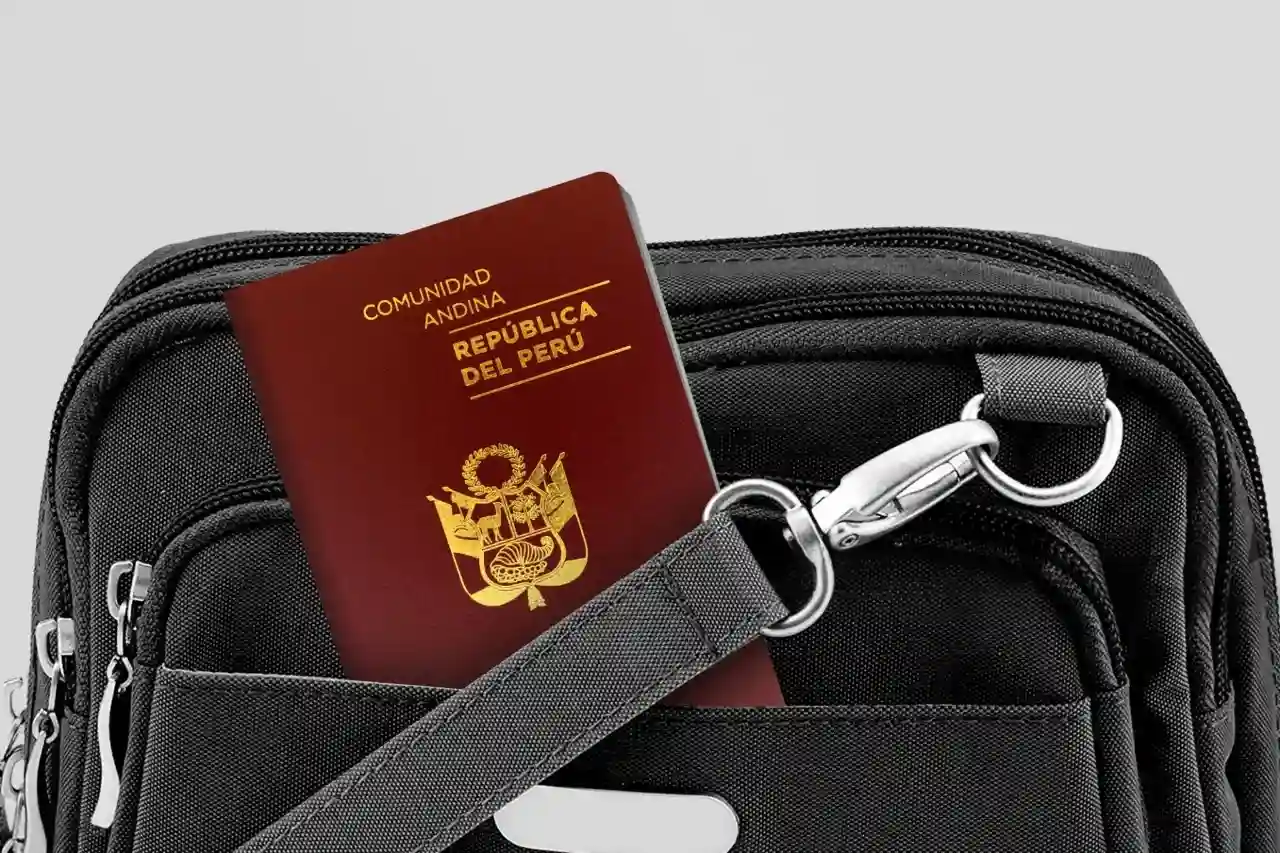
- Digital copies of documents
- Moisture-resistant envelopes
- Microfiber cloth
- Protective case
You might be interested: 40 Animals in the peruvian amazon

Frequently asked questions for travel to Peru in January
These frequently asked questions summarize practical aspects that travelers usually want to know before organizing their route, especially due to the changing weather between regions and the variety of activities available.
1. Is January high or low season?
It’s mid-high season on the coast and mid-low season in the Andes.
2. Can you visit ruins in the rain?
Yes, although some rural routes may be temporarily closed.
3. Is it safe to travel during the rainy season?
Yes, as long as you follow local recommendations and avoid dangerous roads on stormy days.
4. What wildlife can you see in the Amazon in January?
Many species are more active: birds, monkeys, pink river dolphins, and caimans.
Do the Ballestas Islands tours operate at this time of year?
Yes, Paracas maintains stable conditions, and tours depart daily, except for occasional cancellations due to very strong waves, which are uncommon this time of year.
5. Is it very hot in Lima?
It’s warm, but manageable. Temperatures range from 24 to 30 °C (75 to 86 °F), and there’s a coastal breeze most of the day. If you stay near the sea, it can feel cooler in the evenings.
6. Is it necessary to book tours in advance?
On the coast, many tours can be booked a day in advance. In the Andes, it’s best to book a few days in advance to ensure availability, especially for Machu Picchu or other popular routes.
Travel with us in Peru in January
If you’re already dreaming of spending your January days amidst beaches and lush green landscapes, we’d be delighted to accompany you every step of the way. We know the country inside and out and understand how to adapt to the weather, your schedule, and the experience you’re looking for. Travel with us and enjoy a tour tailored just for you, featuring specialists with years of experience organizing safe routes, providing expert recommendations, and a team that’s with you from the moment you arrive until you return home. Ready to plan your adventure?

