
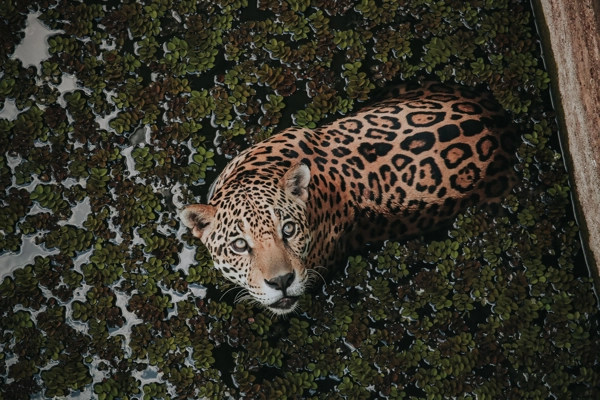
The amazon rainforest food chain begins with sunlight, but what happens after that is far more complex than a simple line from plant to predator. In the Amazon, leaves feed insects, fruit feeds birds and mammals, and those animals may later become prey for snakes, cats, raptors or caimans. At the same time, fungi, bacteria and insects return nutrients to the soil.
Understanding the amazon rainforest food chain makes it easier to see why the forest depends on thousands of relationships happening at once. A single fruiting tree can feed monkeys, parrots, rodents and insects in the same week. A fallen branch can become food and shelter for an entirely different community.
The system is therefore best understood as a network of connected feeding relationships. Each species has a role, and many occupy more than one position depending on what they eat and what eats them.
You might also like: Amazon Rainforest Layers: How Life Is Organized from the Ground to the Treetops
How Does the Amazon Rainforest Food Chain Work?
Every amazon rainforest food chain starts with a source of energy. For most life in the forest, that source is the sun. Plants capture sunlight through photosynthesis and convert it into energy stored in leaves, fruit, seeds and stems.
That energy then moves to animals that eat plants. Insects may feed on leaves, macaws may crack open seeds, and monkeys may eat fruit. Predators receive the same energy indirectly when they hunt those animals.
This is why the amazon rainforest food chain is often explained through trophic levels. Producers form the base, followed by primary consumers, secondary consumers and larger predators. Decomposers work alongside every level by breaking down dead material.
The system is never perfectly tidy. Many Amazon animals eat several kinds of food, so the system quickly becomes a food web with countless overlapping paths.
From Sunlight to Living Tissue
Plants are the first biological step in the amazon rainforest food chain. Without them, there would be no steady supply of energy for herbivores and no prey base for the predators above them.
You might also like: Are trekking poles worth it in Peru? Costs, tips & benefits
Producers: Where the Food Chain Begins
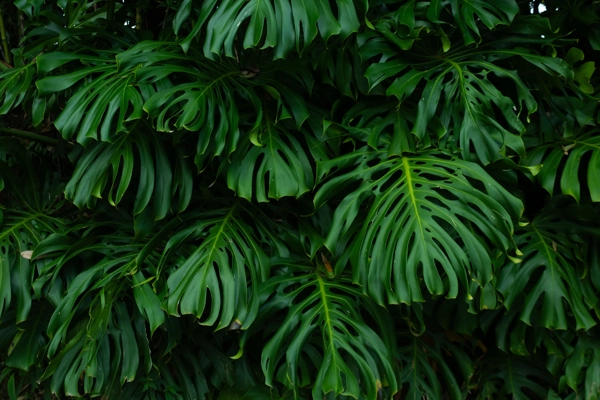
Trees, vines, palms, shrubs and aquatic plants are producers. They make their own food from sunlight, water and carbon dioxide. In the amazon rainforest food chain, producers support nearly everything that comes after them.
Large trees may produce fruit that feeds monkeys and birds. Palms provide fruit and seeds for mammals, while smaller plants support caterpillars, beetles and other insects. Even flowers contribute by supplying nectar to bats, hummingbirds and insects.
The huge variety of plants means the amazon rainforest food chain has many starting points. Energy can enter through a leaf eaten by an insect, a seed carried by a rodent or a piece of fruit swallowed by a monkey.
Producers also create habitat. A tree is not only food. Its bark, branches, flowers and canopy can provide nesting sites, shade, moisture and protection for dozens of species.
Why Fruit Matters So Much
Fruit plays a major role in the amazon rainforest food chain because it connects plants with mobile animals. When birds and mammals eat fruit, they often carry seeds away from the parent tree. Feeding and seed dispersal become part of the same ecological relationship.
You might also like: Best guide to Nightlife in Cusco 2026
Consumers: From Insects to Monkeys
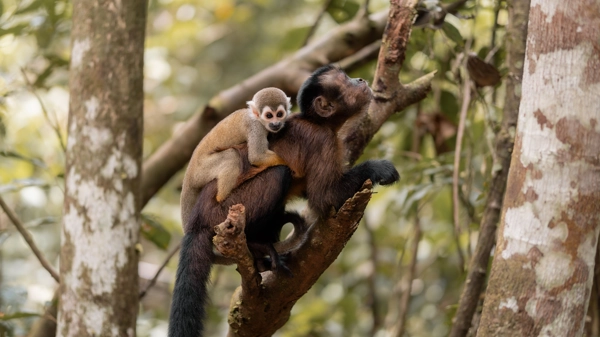
Primary consumers eat plants or plant material. They include many insects, rodents, monkeys, sloths, tapirs, parrots and other fruit or leaf eating animals. These species transfer energy from plants into the animal side of the amazon rainforest food chain.
An insect feeding on a leaf may later be eaten by a frog. A fruit eating rodent may become prey for a snake. A monkey may eat fruit, flowers and insects, placing it in different parts of the food web depending on the meal.
That flexibility is common. The forest includes many omnivores, which makes strict categories less useful than they might appear in a textbook diagram.
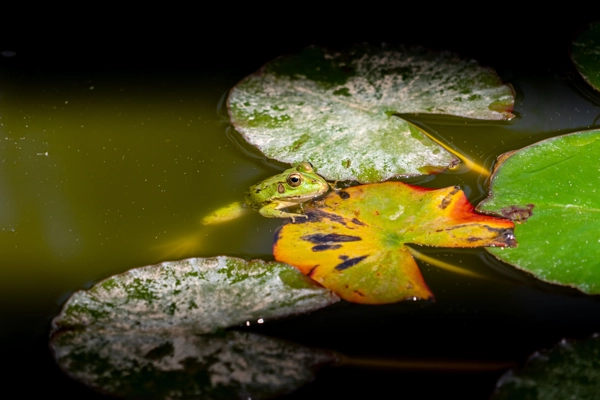
Secondary consumers feed on herbivores or smaller animals. Frogs eat insects, snakes hunt frogs and rodents, and many birds catch insects, lizards or smaller vertebrates. Each feeding event moves energy further through the amazon rainforest food chain.
A Simple Food Chain Example
One possible amazon rainforest food chain could begin with a leaf, continue to a caterpillar, then to a frog and finally to a snake. Another might connect fruit, a rodent and a jaguar. These examples are useful, but the real forest contains many more branches and alternative routes.
You might also like: Saint Rose of Lima feast day 2026
Predators, Scavengers and Decomposers
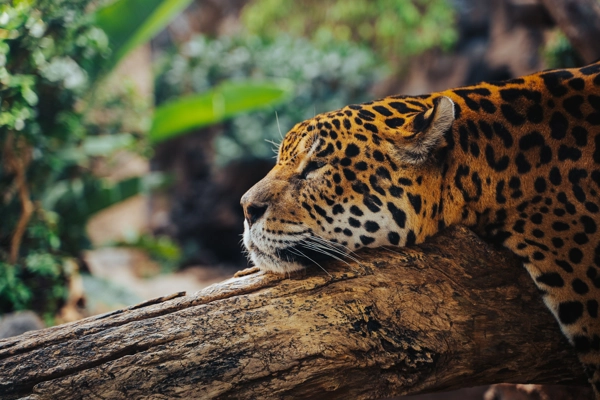
At the upper levels of the amazon rainforest food chain are predators capable of hunting other consumers. Jaguars prey on animals such as peccaries and capybaras. Harpy eagles can hunt monkeys and sloths. Caimans feed on fish and other animals around rivers, lakes and wetlands.
No predator exists separately from the rest of the system. If prey populations decline, animals higher in the amazon rainforest food chain have fewer feeding opportunities. Changes lower down can eventually reach species that seem far removed from plants.
Scavengers also help process animal remains, while decomposers handle material that predators leave behind. Fungi, bacteria, termites, ants and many other small organisms break down dead plants and animals.
This part of the feeding cycle is easy to overlook because much of it happens in soil, leaf litter or rotting wood. Yet decomposition releases nutrients that plants can absorb again.
Why Decomposers Complete the Cycle
Without decomposers, nutrients would remain locked inside dead organic matter. By breaking that material apart, decomposers help reconnect the end of the amazon rainforest food chain with its beginning.
Why the Amazon Is a Food Web, Not Just a Chain
A diagram often shows the amazon rainforest food chain as a straight sequence, but nature rarely works that way. A toucan can eat fruit, insects and small animals. A snake may hunt several kinds of prey. A jaguar can feed on many mammals, reptiles and other animals depending on what is available.
These overlapping relationships form a food web. Thinking in terms of a web gives a more accurate picture of the amazon rainforest food chain because it shows how one species can connect to several others.
It also explains why biodiversity matters. When an ecosystem contains many species, there can be alternative feeding relationships if one food source becomes scarce. That does not make the forest immune to disturbance, but it shows how deeply its organisms are connected.
Frequently Asked Questions About the Amazon Rainforest Food Chain
What Starts the Amazon Rainforest Food Chain?
Sunlight provides the original energy, while plants capture that energy through photosynthesis. Trees, vines, palms and other plants form the producer level of the amazon rainforest food chain.
What Are Primary Consumers in the Amazon Rainforest Food Chain?
Primary consumers are animals that feed mainly on plants or plant material. Examples include insects, sloths, tapirs, some monkeys, parrots and rodents.
What Animals Are at the Top of the Amazon Rainforest Food Chain?
Jaguars, harpy eagles and large caimans are among the major predators. Their exact position depends on habitat and diet because the forest works as a web rather than a single fixed sequence.
Are Decomposers Part of the Amazon Rainforest Food Chain?
Yes. Fungi, bacteria, termites and other decomposers break down dead organic matter and return nutrients to the ecosystem, allowing plants to use them again.
Reading the Rainforest Through Its Feeding Relationships
The next time you look at an Amazon forest scene, try following one source of food instead of focusing only on the largest animals. A fruit may feed a bird, its seed may be carried elsewhere, and the remains may later be broken down by insects and fungi.
That perspective reveals what the amazon rainforest food chain really represents: energy moving through living relationships, with each organism connected to many others. The forest becomes easier to understand when you stop seeing isolated species and start noticing who feeds whom, what gets recycled and where the energy goes next.

