
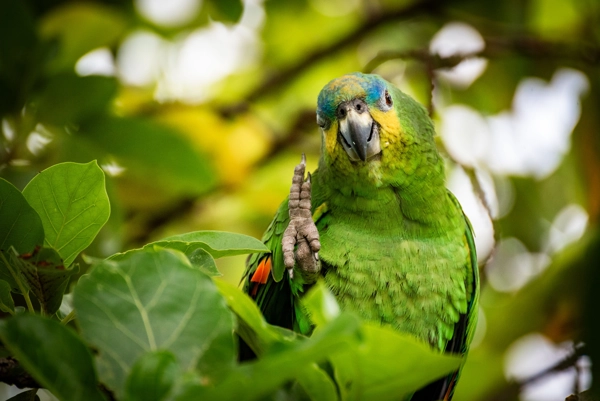
The Amazon may look like one enormous wall of green, but the forest is far more organized than it first appears. The amazon rainforest layers divide the jungle vertically, creating different conditions for plants and animals at every height. Light, humidity, wind and access to food can change dramatically within a few meters.
Understanding the amazon rainforest layers helps explain why so many species can live in the same area without depending on exactly the same space. A bird feeding near the treetops experiences a very different forest from an insect moving through damp leaves on the ground.
Scientists usually describe four main levels: the emergent layer, the canopy, the understory and the forest floor. Together, these four levels form a connected system rather than isolated habitats.
You might also like: Are trekking poles worth it in Peru? Costs, tips & benefits
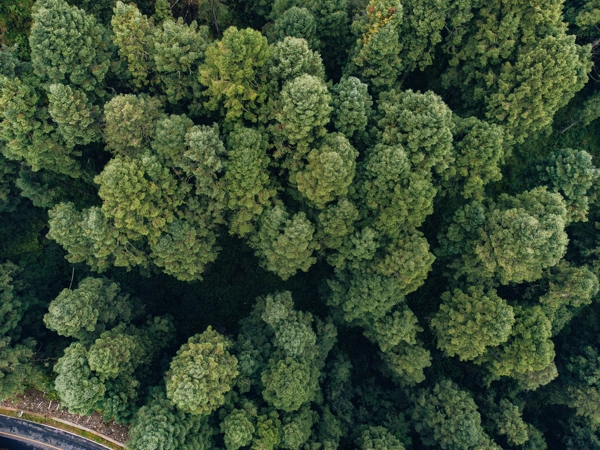
What Are the Amazon Rainforest Layers?
The amazon rainforest layers are the vertical zones created by differences in tree height and vegetation density. Each zone receives a different amount of sunlight and supports its own mix of plants, insects, birds and mammals.
The structure is not perfectly uniform. A fallen tree can open a bright gap in a shaded area, while an unusually tall tree may rise above everything around it. Even so, the four layer model is a useful way to understand how the forest works.
When people study the amazon rainforest layers, they are really looking at how access to sunlight shapes life. The highest sections receive intense sun and stronger wind. Lower down, the forest becomes darker, wetter and more sheltered.
Why the vertical structure matters
The amazon rainforest layers allow species to occupy different niches. Some animals rarely come down from the canopy, while others spend most of their lives close to the soil. Plants also compete for light in very different ways depending on where they grow.
This separation reduces direct competition and helps explain the extraordinary biodiversity of the Amazon. This vertical structure is one of the reasons a relatively small patch of rainforest can support an astonishing variety of life.
You might also like: Best guide to Nightlife in Cusco 2026
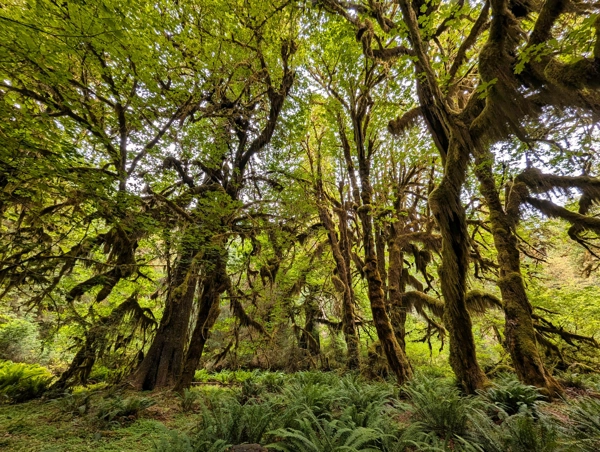
The Emergent Layer: Life Above the Main Canopy
The emergent layer contains the tallest trees in the forest. Their crowns rise above the main canopy and receive more direct sunlight than any other part of the amazon rainforest layers.
Conditions here can be surprisingly harsh. Strong winds, intense sun and changing temperatures mean that plants and animals must cope with greater exposure. Trees that reach this level tend to have tall, straight trunks and crowns adapted to open light.
Large birds such as harpy eagles may use these high branches as lookout points. Macaws, bats and many insects also move through this upper part of the forest. Among all the amazon rainforest layers, the emergent zone feels the most open to the sky.
How plants survive at the top
Reaching the emergent layer requires years of competition for light. Young trees begin far below and must grow through shaded conditions before they can reach open sun. Once they do, they face wind and water loss that lower plants experience less intensely.
For that reason, these layers do more than describe height. They also describe different survival challenges.
You might also like: Saint Rose of Lima feast day 2026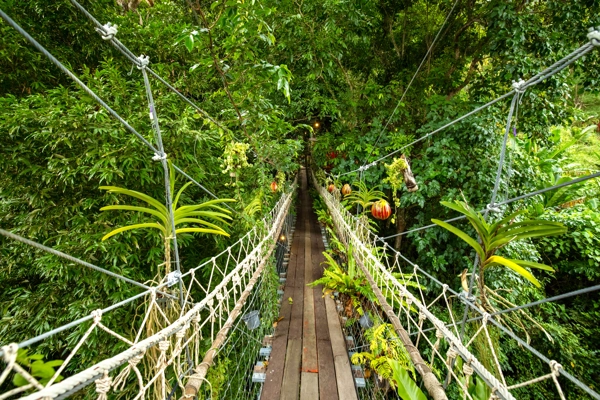
The Canopy: The Busy Heart of the Rainforest
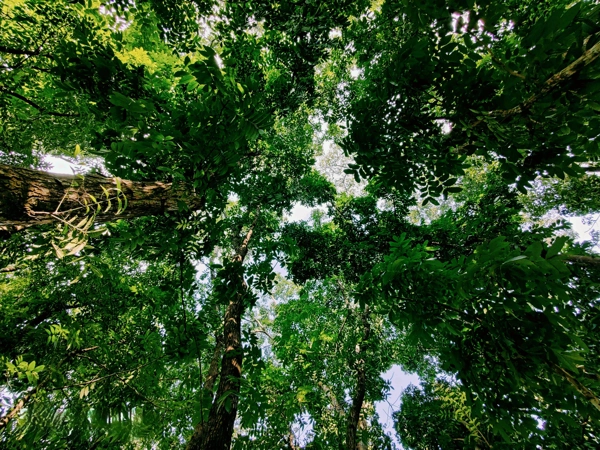
Below the tallest trees sits the canopy, a dense roof of leaves and branches. This is one of the most active amazon rainforest layers because it captures a large share of the available sunlight and produces huge amounts of food.
Flowers, fruit, leaves and insects make the canopy attractive to wildlife. Monkeys, sloths, toucans, parrots and countless smaller species can spend much of their lives here without touching the ground.
The canopy also supports plants that grow on other plants rather than in the soil. Orchids, bromeliads and other epiphytes use branches as places to live while taking moisture and nutrients from rain, air and organic debris.
The canopy is especially important for regulating the conditions below it. Its dense foliage blocks much of the sunlight, slows rainfall and helps maintain the humid environment of the understory.
Why so many animals live in the canopy
Food is one major reason. Fruit, nectar, leaves and insects are often abundant, and the network of branches provides routes through the forest. Animals adapted to climbing, gliding or jumping can move efficiently without descending.
Looking at the forest from an animal’s perspective makes the canopy easier to understand. It is not simply the top of the forest. For many species, it is the main living space.
You might also like: Peruvian Amazon festivals you shouldn’t miss
The Understory and Forest Floor: A Darker World
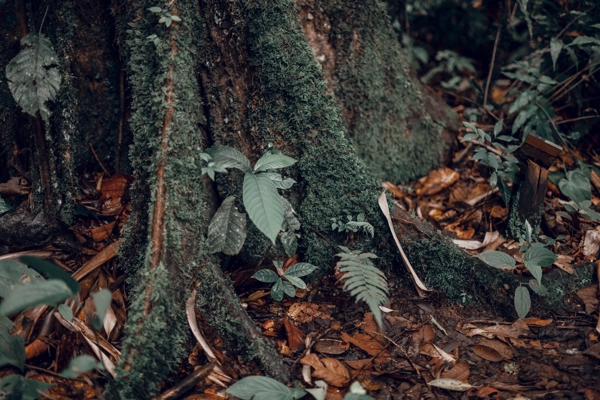
The understory begins below the canopy, where sunlight becomes limited. Plants here often have broad leaves that help capture what little light reaches them. Young trees may remain in this shaded environment for years while waiting for an opening above.
Within the amazon rainforest layers, the understory is humid, sheltered and visually dense. Frogs, snakes, insects and small birds can thrive in these conditions, especially where thick vegetation offers cover.
Closer to the ground is the forest floor. Very little direct sunlight reaches this level because the upper amazon rainforest layers intercept most of it first. The ground may look quiet, but it is full of biological activity.
Fungi, bacteria, termites and other decomposers break down fallen leaves, fruit, wood and animal matter. Nutrients are recycled quickly and taken up again by plants.
Why decomposition happens so quickly
Heat and moisture create ideal conditions for decay. Organic material that might remain for years in a colder ecosystem can disappear much faster in the Amazon.
This rapid recycling links the lower levels directly to the trees above. Nutrients released near the ground help support new plant growth, which later feeds animals higher in the forest.
Jaguars, tapirs, peccaries, rodents and many insects also use the forest floor. Some move between levels, reminding us that the amazon rainforest layers are connected rather than sealed off from one another.
You might also like: Meet the Amazonian manatee in Peru
How the Amazon Rainforest Layers Work Together
The most useful way to think about the amazon rainforest layers is as parts of one living system. Sunlight enters from above, water moves through leaves and branches, nutrients cycle through the ground, and animals carry seeds between different heights.
A fruit eaten in the canopy may eventually contribute nutrients to the forest floor. A tree falling below can open a gap that changes light levels for plants in the understory. A bird nesting high above may feed on insects that began life much lower down.
Because of these connections, changes in one of the amazon rainforest layers can affect the others. Removing large canopy trees, for example, changes shade, temperature and moisture beneath them.
This vertical structure also helps researchers study biodiversity more precisely. Instead of treating the rainforest as one uniform habitat, they can examine which species depend on particular heights, light conditions or plant communities.
Frequently Asked Questions About the Amazon Rainforest Layers
What are the four amazon rainforest layers?
The four amazon rainforest layers are the emergent layer, the canopy, the understory and the forest floor. Each one differs in height, light, vegetation and wildlife.
Which of the amazon rainforest layers has the most animals?
The canopy is often considered the richest in animal activity because it offers abundant food, shelter and pathways between trees. However, every level supports species adapted to its own conditions.
Which amazon rainforest layers receive the most and least sunlight?
The emergent layer receives the most direct sunlight, while the forest floor receives the least. The canopy absorbs and blocks much of the light before it reaches lower levels.
Why are the amazon rainforest layers important?
The amazon rainforest layers create many different habitats within the same forest. That vertical variety allows species to specialize and helps support the Amazon’s remarkable biodiversity.
A Better Way to Look at the Amazon
Once you understand the amazon rainforest layers, the forest stops looking like a single mass of vegetation. Every height has its own climate, food sources and survival strategies.
The next time you see an image of the Amazon, look from the ground upward. Notice the dark floor, the shaded plants beneath the trees, the dense canopy and the few crowns rising above it. The amazon rainforest layers reveal that much of the forest’s complexity comes from what is happening vertically, not just across the landscape.

