
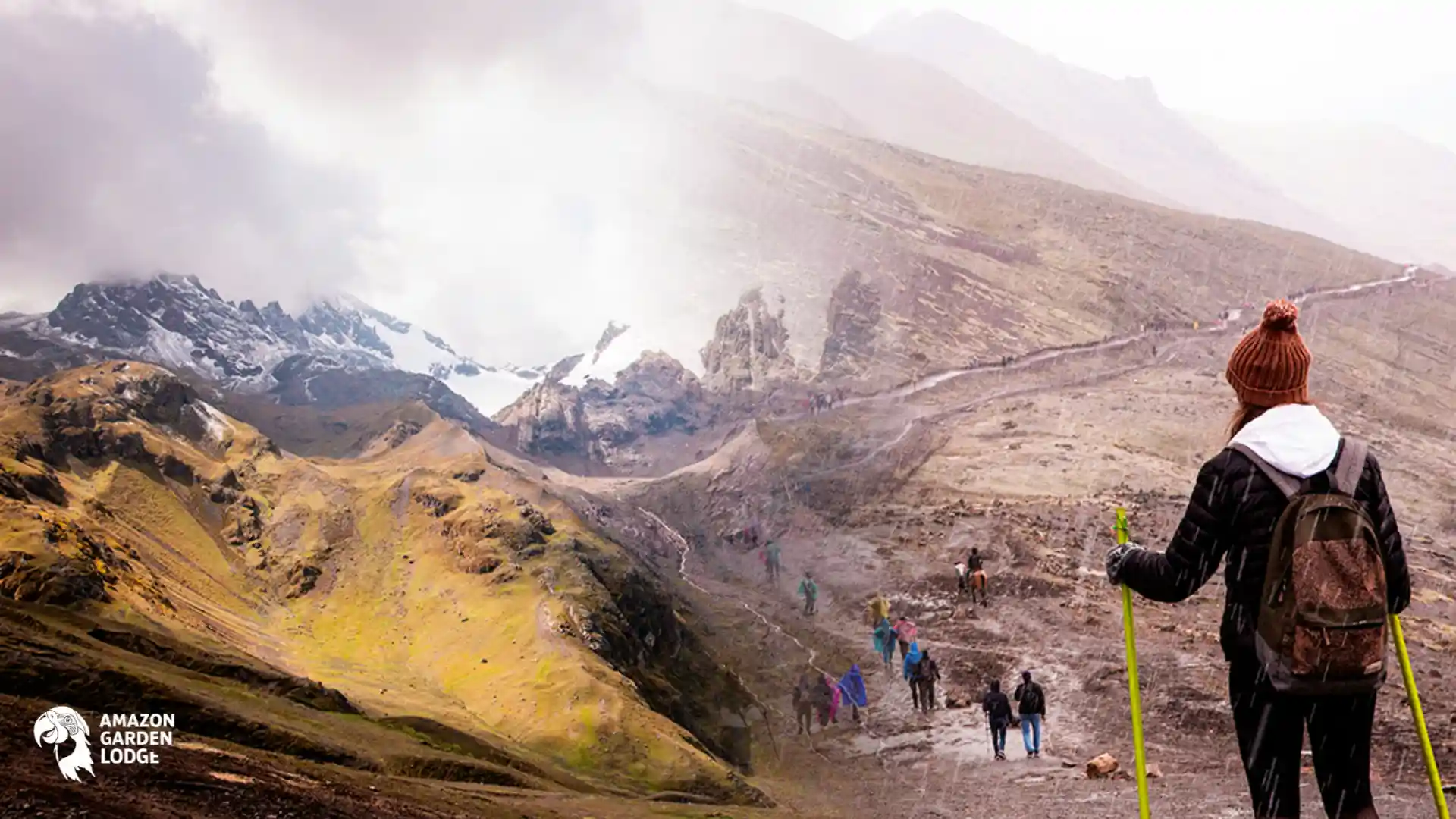
Altitude sickness in Peru is a major concern for those planning to explore cities, communities, and trekking routes in the Andes Mountains. While Cusco is often the destination most associated with this problem, altitude sickness can also occur in Puno, Huaraz, Huancavelica, Cerro de Pasco, the Colca Valley, and other high-altitude areas of the country.
That’s why not all cases are the same. Some people only experience fatigue or a mild headache during the first few hours. Others may experience nausea, dizziness, loss of appetite, or difficulty performing activities that don’t normally require much effort. So, to help you understand the symptoms and the best way to prevent it, we’re sharing this comprehensive article with information on how to combat Soroche.
You might be interested: Traditional costumes of Peru
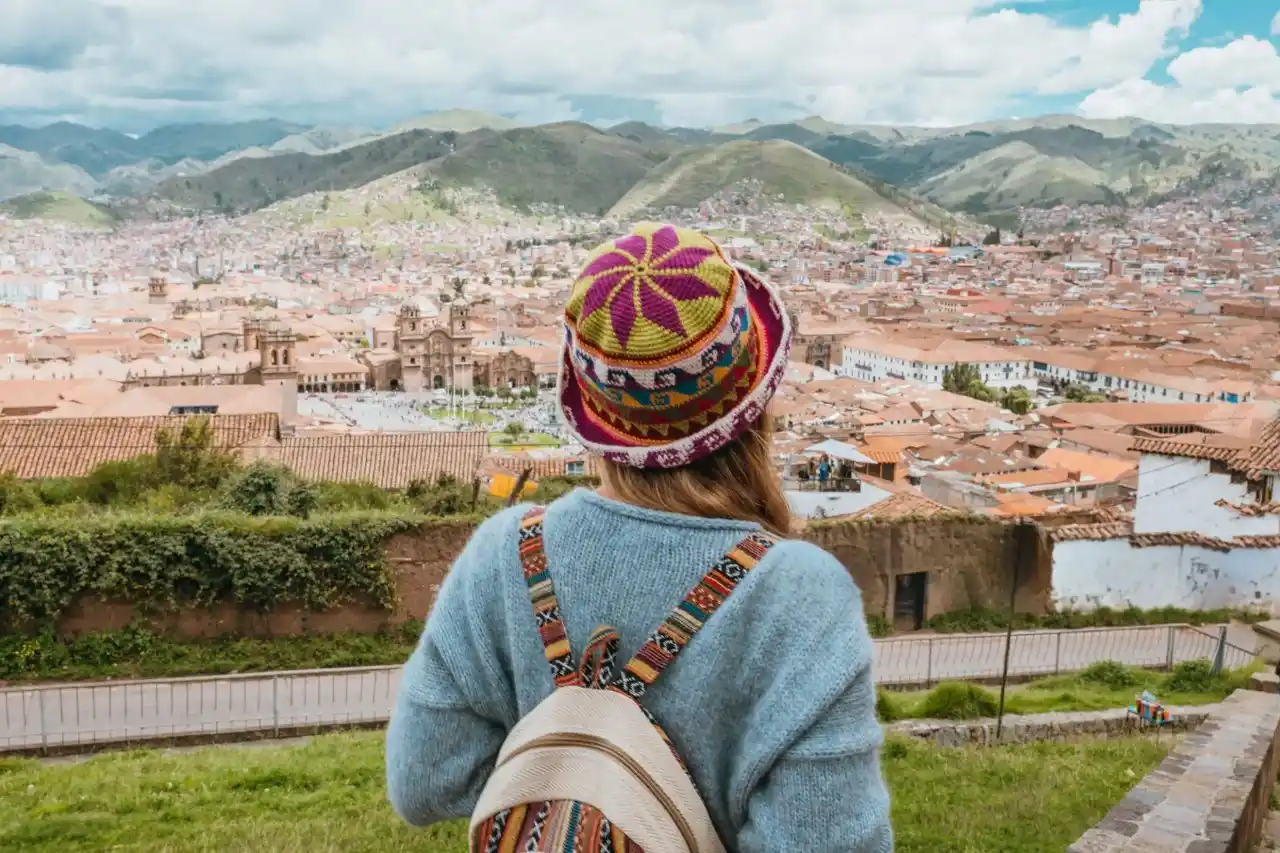
What is altitude sickness?
Altitude sickness, also known as soroche in Peru, is a collection of discomforts and illnesses that can occur when a person ascends rapidly to a place where the atmospheric pressure is lower.
The air continues to contain approximately the same proportion of oxygen, but the reduction in atmospheric pressure means the body receives less oxygen with each breath. To compensate for this change, breathing accelerates, the heart works harder, and the body begins an adaptation process called acclimatization. The most significant changes occur during the first three to five days, although the body can continue adjusting for a longer period.
Recognizing symptoms of altitude sickness
Altitude sickness does not always appear as soon as you arrive. Some travelers feel well during the first few hours and begin to notice symptoms later that afternoon or during the first night.
The most common signs include:
- Headache.
- Nausea or loss of appetite.
- Dizziness.
- Unusual tiredness.
- Difficulty sleeping.
- Weakness.
- Shortness of breath during simple activities.
Pay attention to warning signs such as confusion, difficulty walking in a straight line, severe weakness or shortness of breath while resting. These may indicate high-altitude cerebral edema or high-altitude pulmonary edema, both of which require urgent medical attention and descent to a lower elevation.
At what altitude can altitude sickness occur?
The risk usually begins when a non-acclimated person sleeps at approximately 2,450 to 2,500 meters above sea level. Some sensitive individuals may experience discomfort at slightly lower altitudes, but these episodes become more frequent as the altitude increases.
| Altitude | Possible effect on travelers |
|---|---|
| Below 2,000 m | Altitude sickness is uncommon |
| From 2,000 to 2,500 m | Some sensitive travelers may experience fatigue or headaches |
| From 2,500 to 3,500 m | There is a risk of acute mountain sickness, especially after a rapid ascent |
| From 3,500 to 4,500 m | Acclimatization becomes much more important |
| Above 4,500 m | The risk increases during hikes, trips across mountain passes, or rapid ascents |
Why does altitude sickness occur in Peru?
Altitude sickness is primarily caused by the reduction in available oxygen pressure as altitude increases. The higher the destination, the greater the effort the body must make to obtain the oxygen it needs.
However, altitude is not the only factor, also the way the trip is organized also plays a role.
The risk can increase when a person:
- Travels directly from a coastal city to an area above 3,000 meters (10,000 feet).
- Sleeps at a much higher altitude than the previous night.
- Engages in strenuous exercise during the first few hours.
- Continues to ascend even if they already have a headache, dizziness, or nausea.
- Consumes alcohol during the first few days.
- Has previously experienced moderate or severe altitude sickness.
- Begins a hike above 4,000 meters (12,000 feet) without having undergone a prior acclimatization period.
You might be interested: Q’eswachaka Bridge
Types of altitude sickness in Peru
Altitude sickness is not always the same. Some travelers only experience a mild headache or tiredness, while others can develop more serious symptoms that require immediate descent and medical care.
In Peru, altitude sickness may begin above 2,500 meters, or about 8,200 feet, especially when someone travels quickly from sea level to the Andes. The risk becomes higher in destinations such as Cusco, Puno, Huaraz, Cerro de Pasco and high-altitude trekking routes.
Acute mountain sickness
Acute mountain sickness, also known as AMS, is the most common type of altitude sickness. It usually appears within the first few hours after reaching a higher elevation, although symptoms can also begin during the first night or within the next two or three days.
It can appear from around 2,500 meters or 8,200 feet, but it is more common when travelers sleep above 3,000 meters shortly after arriving from the coast.
In Peru, this may happen in places such as:
Cusco, at about 3,400 meters or 11,000 feet.
Huaraz, at about 3,050 meters or 10,000 feet.
Puno, at about 3,800 meters or 12,500 feet.
Huancavelica, at about 3,670 meters or 12,000 feet.
Cerro de Pasco, at more than 4,300 meters or 14,000 feet.
The most common symptom is a headache. It may also come with:
Dizziness.
Nausea.
Loss of appetite.
Unusual tiredness.
Weakness.
Vomiting.
Difficulty doing normal activities.
For example, a traveler may arrive in Cusco feeling fine and begin to experience a headache, nausea or strong fatigue later that afternoon.
When symptoms are mild, the best thing to do is stop ascending, rest and remain at the same elevation. The traveler should not continue to a higher place until the symptoms have completely disappeared.
Someone who feels unwell in Cusco should avoid going the next morning to Rainbow Mountain, Humantay Lake or another destination above 4,000 meters.
Mild symptoms often improve within 24 to 48 hours. If they become worse or make it difficult to walk, eat or complete simple activities, the traveler should consider descending and seeking medical advice.
High-Altitude Cerebral Edema
High-altitude cerebral edema, or HACE, is a serious condition caused by swelling in the brain. It is rare, but it can become dangerous very quickly. It usually appears at very high elevations, especially above 4,000 to 4,300 meters, or around 13,000 to 14,000 feet.
In Peru, these elevations are reached on routes such as:
Rainbow Mountain.
The Salkantay Trek.
The Ausangate circuit.
High sections of the Inca Trail.
Laguna 69.
Mountain routes in the Cordillera Blanca.
The main warning signs are not just headache or tiredness. A person with HACE may show changes in behavior or coordination, such as:
Confusion.
Difficulty understanding instructions.
Strange behavior.
Extreme drowsiness.
Loss of balance.
Difficulty walking in a straight line.
Inability to complete basic tasks.
Reduced consciousness.
The person may look drunk, stumble or stop responding normally, even if no alcohol has been consumed.
This is a medical emergency. The traveler must descend as soon as possible and receive oxygen when available. They should not continue walking, remain at the same altitude overnight or descend alone.
In remote trekking areas, the group should contact the guide, emergency service or evacuation team immediately.
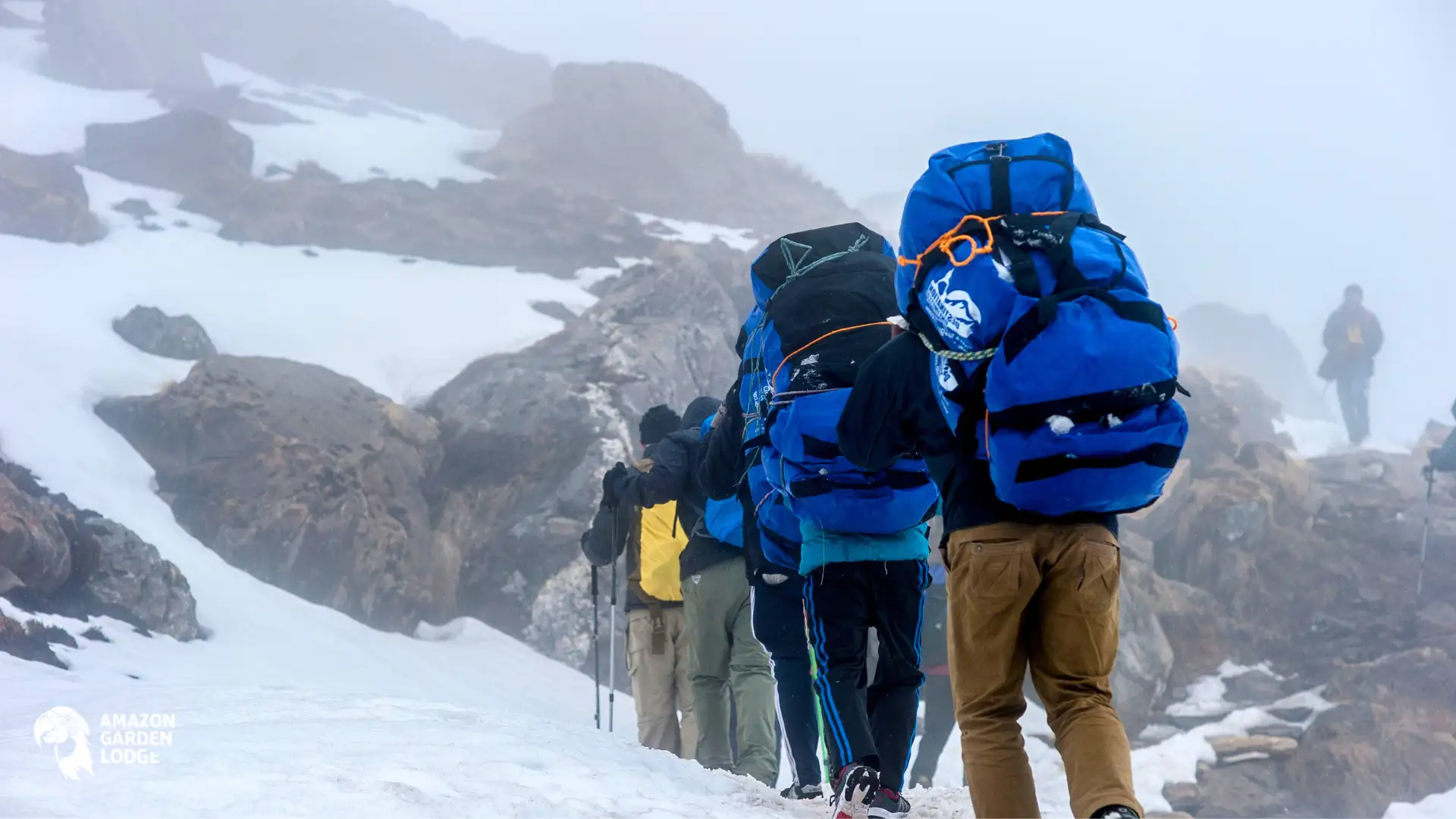
High-Altitude Pulmonary Edema
High-altitude pulmonary edema, known as HAPE, happens when fluid builds up in the lungs. It can appear by itself or together with other forms of altitude sickness.
It may begin above 2,500 to 3,000 meters, although the risk is greater at elevations above 4,000 meters.
In Peru, it may occur during high-altitude hikes around Cusco, on routes near Huaraz, at mountain camps or in communities located above 4,000 meters.
The first symptoms can be easy to confuse with normal tiredness. A traveler may suddenly:
Walk much slower than the rest of the group.
Feel unusually weak.
Have a dry cough.
Feel pressure or congestion in the chest.
Become more short of breath than expected.
Find it difficult to continue walking.
As the condition becomes more serious, the person may experience:
Shortness of breath while resting.
Severe weakness.
A wet or persistent cough.
Pink or bloody mucus.
Blue or gray lips.
Confusion.
Difficulty walking without help.
Feeling out of breath while climbing a steep trail can be normal at high altitude. Feeling short of breath while sitting or lying down is not normal.
HAPE is an emergency. The person must descend, receive oxygen if possible and avoid physical effort. They should not be asked to continue walking when transportation, a mule or another evacuation method is available.
Chronic Mountain Sickness
Chronic mountain sickness is different from the altitude sickness experienced by tourists. It affects some people who live or work at high elevation for months or years.
It is also known as Monge’s disease and is more common among long-term residents living above 3,000 meters, or about 9,800 feet.
In Peru, it may affect people living in places such as:
Cerro de Pasco.
Puno.
Huancavelica.
Cusco.
High mining communities in the Andes.
Possible symptoms include constant headaches, tiredness, shortness of breath, dizziness, poor sleep and reduced physical performance.
This condition does not normally develop during a short vacation. For most travelers, the main concerns are acute mountain sickness, high-altitude cerebral edema and high-altitude pulmonary edema.
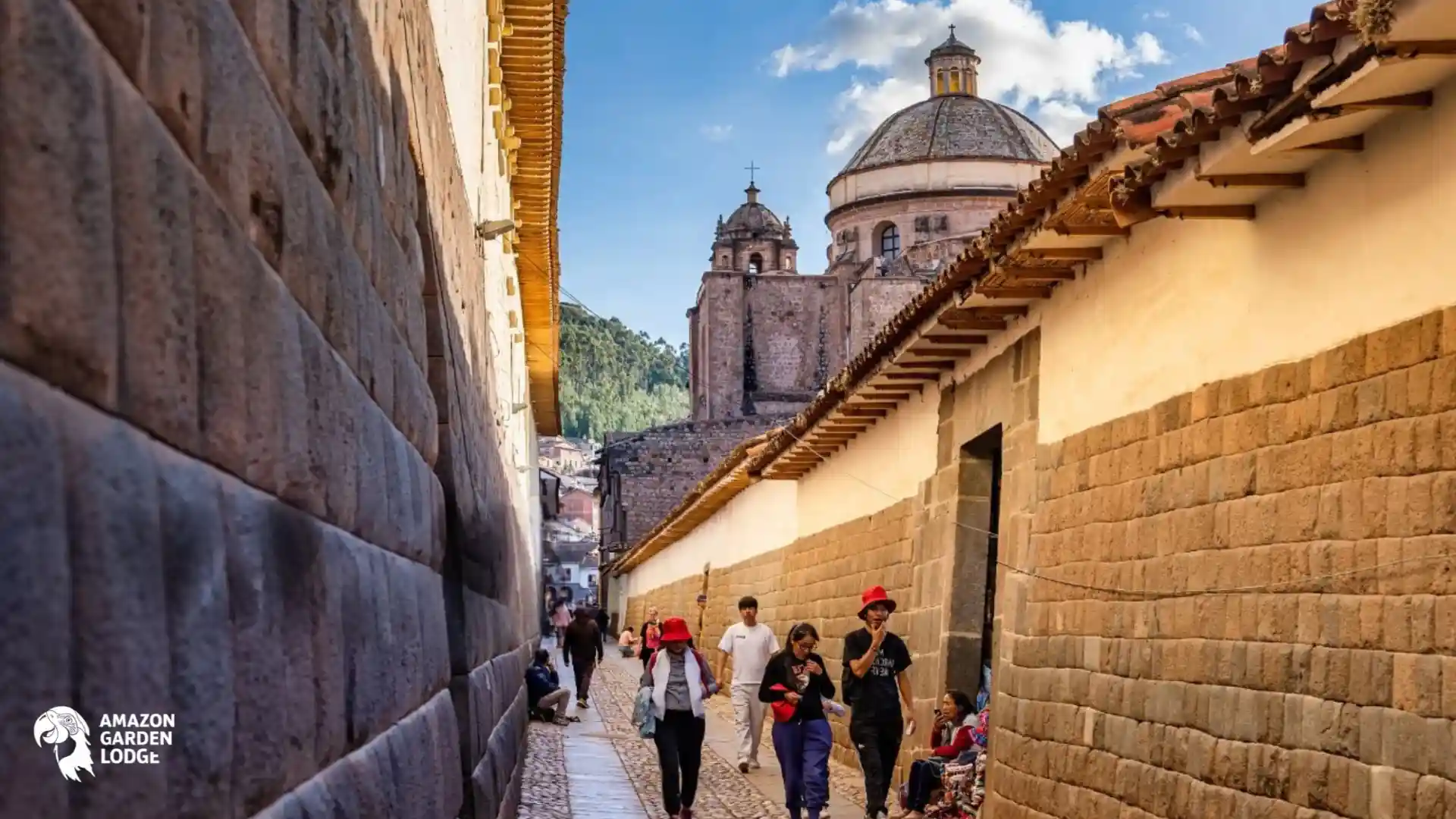
Altitude sickness in Cusco
Cusco is located approximately 3,399 meters above sea level. This rapid change in elevation is one of the reasons why altitude sickness in Peru is commonly associated with the city, especially among travelers arriving by plane from Lima or another destination near sea level. Machu Picchu, on the other hand, is located at about 2,430 meters, making it considerably lower than Cusco.
What does altitude sickness feel like in Cusco?
It’s common for a traveler to feel relatively well upon leaving the airport and begin to experience discomfort a few hours later.
During the first day, you might experience headaches, drowsiness, rapid breathing when climbing stairs, loss of appetite, or fatigue when walking through the steep streets of the historic center.
The exertion of carrying luggage, visiting various attractions, and walking for hours upon arrival can intensify the discomfort. Therefore, it’s not advisable to plan a demanding itinerary on the day of your flight.
How to acclimatize in Cusco
The first day can be dedicated to relaxing activities, short walks, and rest. The CDC notes that, in destinations like Cusco, one alternative is to spend one or two nights in a lower-lying area before returning to the city.
Some towns in the Sacred Valley are at lower altitudes than Cusco and can be used as the first stop on your trip. This doesn’t guarantee you won’t experience symptoms, but it can prevent such a drastic change in altitude.
Excursions to Rainbow Mountain, Humantay Lagoon, Ausangate, and other places that are significantly higher than Cusco’s altitude should not be scheduled for the morning after arriving from Lima.
Feeling well while resting in the city doesn’t mean your body is ready to hike for several hours above 4,000 meters (13,000 feet).
What to pack for altitude sickness in Cusco
- Water to drink regularly.
- Light snacks.
- A warm jacket.
- Sunscreen, sunglasses, and a hat.
- Any medications prescribed by a doctor.
- Travel insurance information.
- The address of a nearby clinic or medical center.
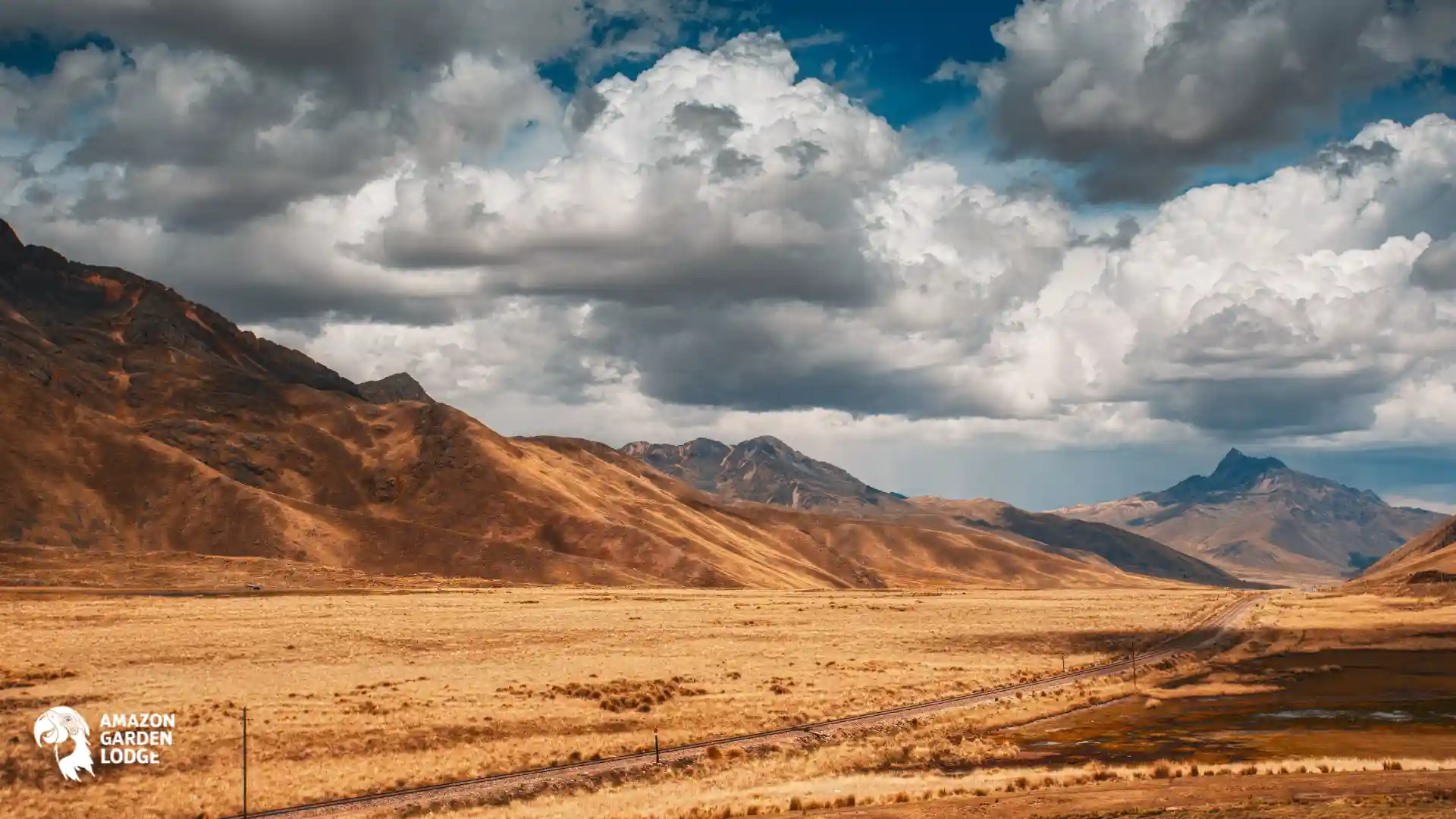
Altitude sickness in Puno and Lake Titicaca
The city of Puno is located approximately 3,827 meters above sea level. This elevation makes it one of the highest urban destinations on typical tourist itineraries in Peru.
The risk is especially relevant for those flying from Lima to Juliaca and then traveling directly to Puno. In just a few hours, the body goes from an altitude close to sea level to a city where every movement can require more effort.
How altitude sickness can affect you in Puno
On the first day, some people get tired climbing hotel stairs or walking just a few blocks. Headaches, nausea, or loss of appetite may also occur at night.
Boat trips may seem like relaxing activities, but some island excursions involve steep paths, stone staircases, and walking. Taquile and Amantaní, for example, can require more effort than a typical day trip.
When a traveler is already experiencing severe headaches, vomiting, or weakness, it’s not advisable to begin a visit with accommodation on an island far from the city.
Specific tips for Puno
During the first day, it’s best to choose a short, low-intensity activity. Travelers can walk slowly, rest frequently, and avoid carrying a heavy backpack.
Passing through a mid-altitude city beforehand can make the change less abrupt. Arequipa, located at approximately 2,335 meters, can serve as a stopover, although an overnight stay there doesn’t guarantee complete acclimatization.
It’s also worth remembering that Puno nights tend to be cold, and the body may tire more quickly. For an outing on the lake, it’s recommended to bring warm clothing, wind protection, water, sunscreen, and any prescribed medications.
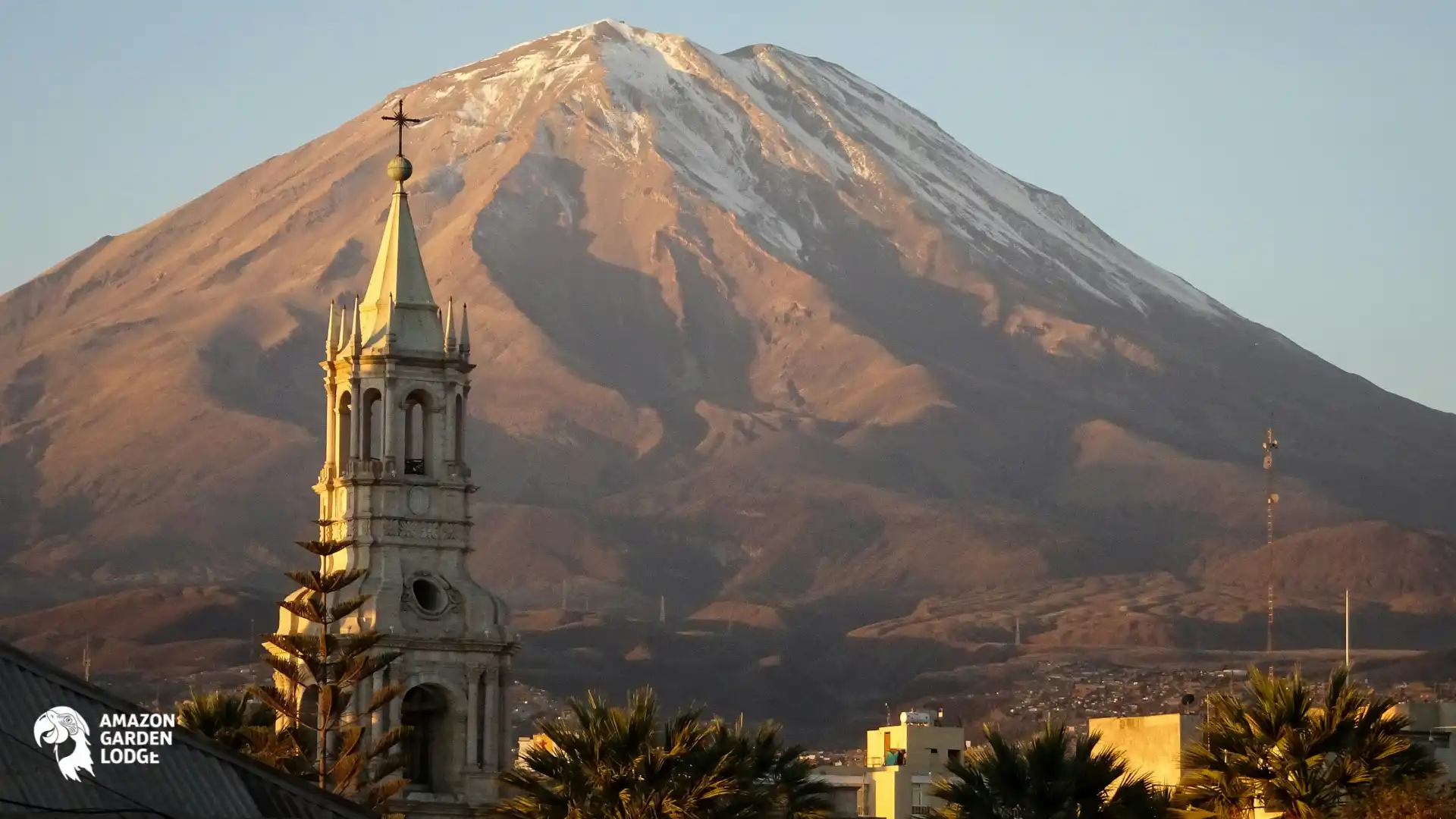
Altitude sickness in Arequipa and the Colca Valley
Arequipa is located at approximately 2,335 meters (7,500 feet). At this elevation, the risk is generally lower than in Cusco or Puno, although some sensitive individuals may experience fatigue, headaches, or shortness of breath.
The main change occurs when traveling from the city to the Colca Valley.
The Ascent on the Colca Route
The road crosses very high-altitude areas. One of its most well-known viewpoints is the Patapampa viewpoint, located at approximately 4,910 meters (15,000 feet) above sea level. This means that travelers can gain more than 2,500 meters (9,500 feet) in just a few hours, even if they only spend a few minutes at the viewpoint.
During this section, headaches, nausea, dizziness, or significant shortness of breath may occur. Walking briskly, running, or jumping to take photographs can worsen the discomfort.
How to prepare for a visit to the Colca Canyon
Spending one or two nights in Arequipa before heading to the Colca Canyon allows you to avoid starting your trip directly from sea level.
During the journey, it’s best to eat moderately, avoid alcohol from the day before, and carry water. At the highest viewpoints, walk slowly and don’t stray too far from the vehicle.
Upon arriving in Chivay or another town in the area, it’s advisable to rest before undertaking long hikes. Anyone experiencing symptoms should not begin trekking through the canyon until they are fully recovered.
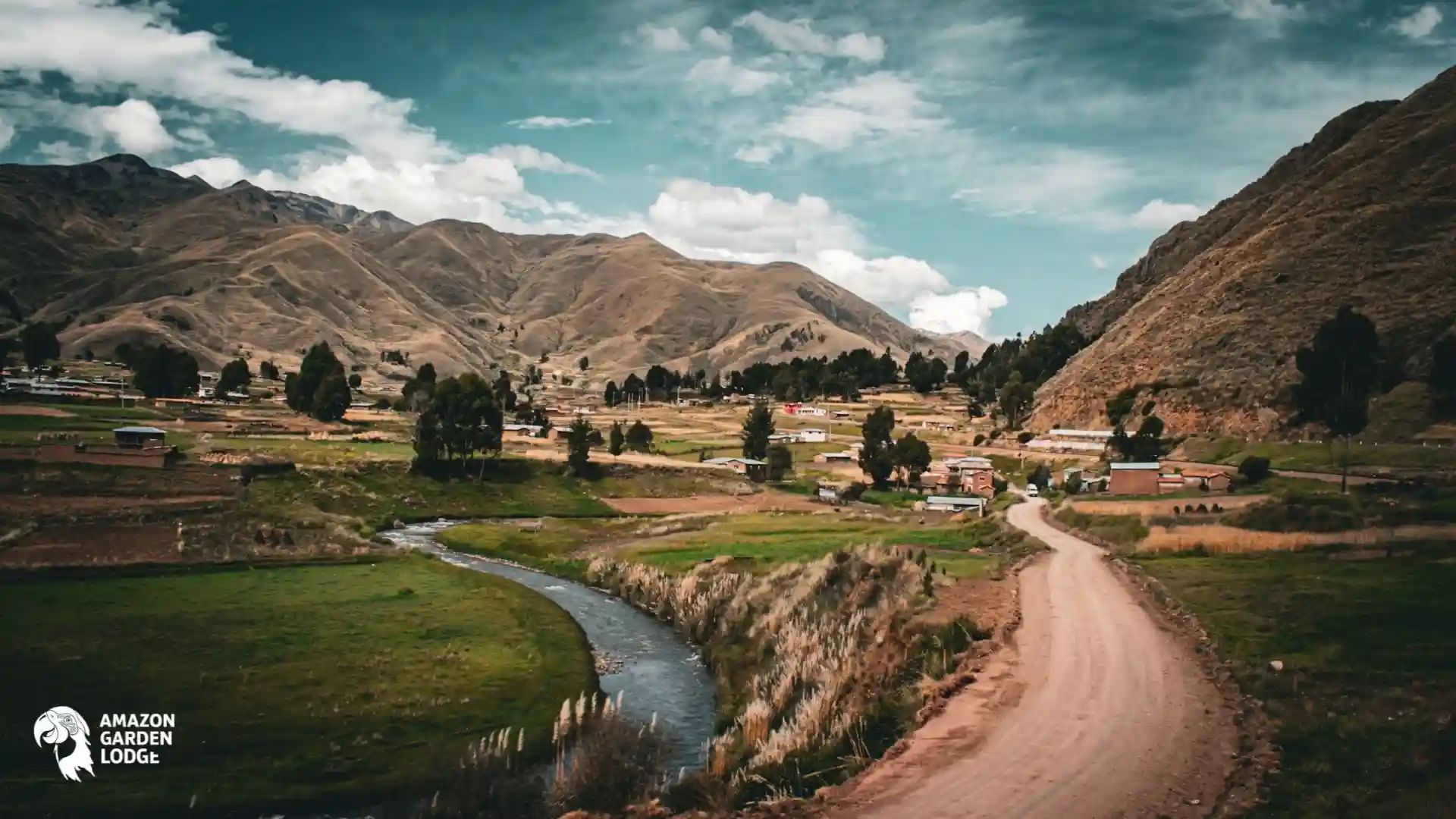
How to avoid altitude sickness in Peru
There is no way to guarantee that a traveler will completely avoid altitude sickness. However, a well-planned itinerary can lower the risk and make the first days in the Peruvian Andes more comfortable.
The most important thing is to give your body enough time to adjust. Coca tea, oxygen and medication may help in certain situations, but none of them can replace gradual acclimatization.
Ascend gradually
The best way to prevent soroche is to avoid going too high too quickly.
When possible, spend two or three nights at an intermediate elevation of around 2,450 to 2,750 meters, or 8,000 to 9,000 feet, before traveling higher. Once you are above 3,000 meters, try not to increase your sleeping elevation by more than approximately 500 meters per day. An extra acclimatization day is also recommended for every additional 1,000 meters gained.
This is not always possible during a regular trip through Peru. Many travelers fly directly from Lima to Cusco or Juliaca. In that case, the first days should be less demanding. A traveler arriving in Cusco should not plan Rainbow Mountain, Humantay Lake or another high-altitude hike for the following morning. In Puno, it is also better to rest before taking an excursion that includes long walks or steep stairways.
Take it easy during the first two days
You do not need to stay in bed all day when you arrive in Cusco, Puno or Huaraz. You can go outside, eat and walk around, but you should move slowly and avoid pushing yourself.
During the first 48 hours, choose short walks and simple activities. Avoid running, intense workouts, long hikes or carrying heavy bags. The CDC also recommends avoiding heavy exercise during this initial adjustment period.
If you’re staying in Huaraz, resting at a hotel like La Casona before venturing into the Cordillera Blanca can make those first two days much easier. A slow walk through Cusco’s historic center is usually a better first-day plan than a full-day tour followed by several hours of climbing.
Drink water normally
It is important to drink water regularly, especially during sunny days and outdoor activities. Dehydration can cause headaches, weakness and dizziness, which can feel similar to altitude sickness.
However, drinking excessive amounts of water does not prevent soroche. Forced hydration has not been shown to help and may create other health problems. Drink according to your thirst, the weather and your level of activity.
Water should be easy to reach during road trips, boat rides and hikes. Do not leave it inside your main luggage when traveling through high mountain areas.
Avoid alcohol during the first 48 Hours
Alcohol can interfere with sleep, contribute to dehydration and make it more difficult to recognize whether a headache or dizziness is related to altitude.
For this reason, it is better to avoid alcoholic drinks during the first 48 hours after arriving at high elevation. This applies even when you feel fine after landing in Cusco or reaching Puno.
You can always enjoy a pisco sour later in the trip, once your body has had time to adjust.
Eat light meals
Large or very heavy meals may be difficult to tolerate during the first day at altitude. Choose moderate portions and foods that are easy to digest.
Soups, rice, potatoes, bread, fruit, oatmeal and other simple foods are often easier to eat when you have a reduced appetite. Carrying crackers, fruit or another light snack can also help during tours.
Loss of appetite can be one of the early signs of acute mountain sickness, especially when it appears together with headache, nausea or unusual tiredness.
Try Coca Tea, but do not treat it as a cure
Coca tea is one of the best-known traditional remedies in the Peruvian Andes. It is commonly offered in hotels, restaurants and lodges in places such as Cusco, Puno and Huaraz.
Some travelers find a warm cup of coca tea comforting after arriving. Chewing coca leaves is also a traditional practice in many Andean communities.
However, coca tea and other coca products have not been proven to prevent or cure acute mountain sickness. You can drink it as part of the local experience, but you should not use it as a reason to continue ascending when you already have symptoms.
Coca products may also cause a positive result on some drug tests. Travelers who expect to undergo workplace, sports or legal drug testing should keep this in mind.
What about Muña Tea?
Muña is another traditional Andean herb commonly prepared as an infusion. Travelers often drink it after meals or when they feel cold, bloated or uncomfortable.
A warm cup of muña may feel soothing, but it should not be considered a medical treatment for altitude sickness. Like coca tea, it cannot replace rest, gradual ascent, oxygen or descent when symptoms become serious.
Peru’s official tourism website mentions coca and muña teas among the traditional options visitors may encounter in Cusco.
Can oxygen help?
Medical oxygen can help a person who is experiencing altitude-related symptoms, especially during an emergency or while descent is being arranged.
Some hotels, tour operators and clinics in Peru have oxygen cylinders available. This can be useful in places such as Cusco, Puno and Huaraz, but access may be limited on remote trekking routes.
Small oxygen cans sold to tourists are different from properly administered medical oxygen. They may provide relief for a very short time, but they do not contain enough oxygen to treat serious altitude sickness. They should never be used to delay descent or emergency care.
Ask about medication before traveling
Acetazolamide is a prescription medication that can help the body acclimatize more quickly. It may be recommended when a traveler cannot avoid a rapid ascent or has an itinerary with a moderate or high risk of altitude sickness.
Frequently asked questions about altitude sickness in Peru
How bad is altitude sickness in Peru?
For most travelers, altitude sickness in Peru produces mild to moderate symptoms, such as headache, fatigue, dizziness, nausea, or difficulty sleeping. These symptoms can improve in one or two days if the person rests and does not continue ascending.
However, Peru has cities, roads, and mountain routes located above 3,500 or 4,000 meters. In these areas, serious complications can also occur, especially after a rapid ascent.
Do I need altitude sickness pills for Machu Picchu?
Not everyone needs medication to visit Machu Picchu. The archaeological site is located at approximately 2,430 meters (8,500 feet), which is lower than Cusco.
The need for medication depends on the complete itinerary. A person who has spent several days at an intermediate altitude does not have the same risk as someone who flies directly to Cusco and begins a hike above 4,000 meters (13,000 feet).
A doctor can assess whether acetazolamide or another preventative measure is appropriate based on your medical history and the planned route.
What are the first signs of altitude sickness?
The first signs are usually headache, dizziness, nausea, fatigue, loss of appetite, and a reduced ability to perform normal activities. These can begin between two and twelve hours after reaching a higher altitude, often during the first night.
How long does it take to adjust to altitude in Peru?
Many people begin to feel better after 24 or 48 hours, but the most important initial stage of acclimatization takes approximately three to five days. The process can restart when the traveler continues to a significantly higher altitude. Being acclimatized to Cusco does not mean being fully prepared to sleep above 4,500 meters.
Does coca tea cure altitude sickness?
There is insufficient evidence to suggest that coca tea prevents or cures acute mountain sickness. It can be consumed as a traditional herbal infusion, provided there is no specific contraindication, but it should not replace rest, acclimatization, descent, supplemental oxygen, or a medical evaluation.
Can athletes get altitude sickness?
Yes. Physical fitness does not protect against altitude sickness. Even an athlete can experience altitude sickness after a rapid ascent. In some cases, trained individuals push themselves too hard during the first few hours because they believe their physical endurance will protect them.
Can children suffer from altitude sickness?
Yes. Children are just as susceptible as adults. In young children, it can be difficult to recognize the problem because they cannot yet describe a headache or dizziness. Irritability, refusal to eat, paleness, vomiting, or a lack of interest in playing after an ascent should be closely monitored.
What are the best medicines for altitude sickness?
Acetazolamide is the medication most commonly used to prevent altitude sickness because it helps the body acclimatize faster. Ibuprofen or acetaminophen may help with a mild headache, but they do not treat the cause. More serious medications, such as dexamethasone or nifedipine, are used only in specific emergencies and under medical supervision. Always consult a doctor before taking altitude medication, especially if you plan to visit Cusco, Puno, Huaraz or high-altitude trekking routes.
Can my pet get altitude sickness in Peru?
Yes. Dogs and cats can also have trouble adjusting to high elevations, especially after traveling quickly from Lima to places such as Cusco or Puno. Watch for unusual tiredness, excessive panting, coughing, loss of appetite, weakness or difficulty breathing. Pets with heart, lung or breathing problems may face a higher risk.
Before traveling, speak with a veterinarian. Never give your pet human altitude medication, coca tea or pain relievers unless a veterinarian has prescribed them.

