
Manu National Park is one of Peru’s most remarkable destinations for travelers who want to experience the Amazon rainforest. But before planning a visit, there is one practical question: how do you actually get there from Cusco?
Unlike Machu Picchu or the Sacred Valley, Manu is not a destination you can simply reach by train or a short drive. Visiting the rainforest typically involves traveling through the Andes, crossing cloud forest landscapes and continuing by boat along Amazonian rivers.
The journey is part of the experience. Along the way, mountain scenery gradually gives way to tropical vegetation, winding rivers and habitats that support extraordinary biodiversity.
This guide explains how to reach Manu National Park from Cusco, how long the journey takes, what wildlife you might encounter and how to choose the right rainforest experience
You might also like: 15 Best Things to Do in Puerto Maldonado
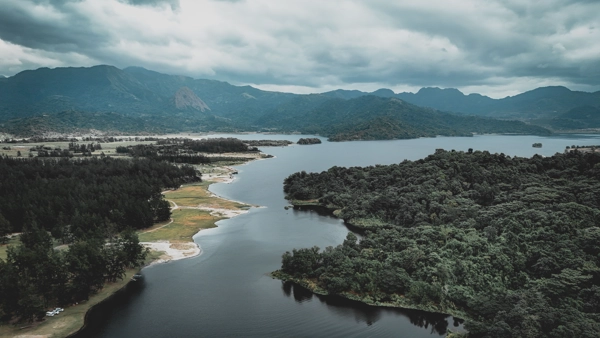
Where Is Manu National Park Located in Peru?
Manu National Park is located in southeastern Peru, extending across parts of the Cusco and Madre de Dios regions. It protects an extraordinary transition of environments, from high Andean grasslands and cloud forests to lowland Amazon rainforest.
The park covers approximately 1.7 million hectares and forms part of the wider Manu Biosphere Reserve.
Its geographical diversity is one reason Manu supports such a remarkable variety of wildlife, including tropical birds, monkeys, giant river otters and other rainforest species.
For international visitors, Cusco is one of the main starting points for organized journeys into the Manu region.
How Do You Get to Manu National Park from Cusco?
The most common route to the Manu rainforest from Cusco combines road transportation and river navigation. Travelers typically drive through Paucartambo, cross the cloud forest and continue toward Atalaya, where boats provide access to destinations along the Alto Madre de Dios River and, on longer expeditions, the Manu River.
The route changes considerably as you descend from the Andes into the Amazon Basin.
Step 1: Travel from Cusco to Paucartambo
Most organized tours depart from Cusco early in the morning.
The road passes through Andean valleys and traditional towns before reaching Paucartambo, a historic settlement known for its cultural traditions and mountain scenery.
Along the way, some itineraries include stops at archaeological sites such as the Ninamarca burial towers.
Step 2: Cross the Manu Cloud Forest
Beyond Paucartambo, the landscape begins to change.
Mountain vegetation gives way to humid cloud forest, where mist, moss-covered trees and dense vegetation create conditions for an impressive variety of birds and mammals.
This part of the journey offers opportunities to observe the Andean cock-of-the-rock, Peru’s national bird, as well as other cloud forest wildlife.
The Acjanaco area marks an important gateway to the protected landscapes of Manu.
Step 3: Continue toward Atalaya
The road descends through increasingly tropical environments toward Pilcopata and Atalaya.
Atalaya is an important departure point for boat journeys into the rainforest.
According to Peru’s protected areas authority, SERNANP, the overland journey from Cusco to Atalaya generally takes approximately 8–9 hours, depending on the route and road conditions.
Step 4: Explore the Amazon by Boat
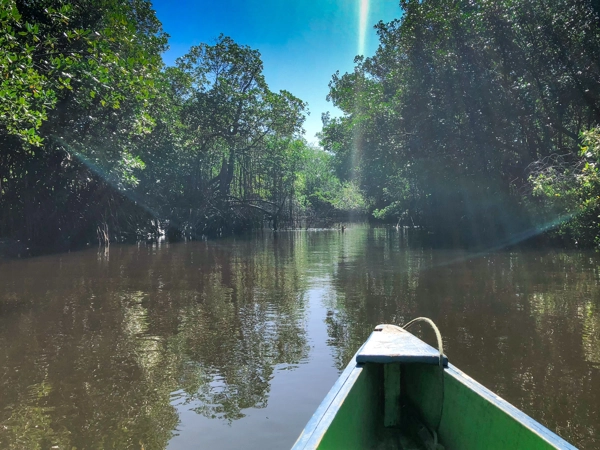
From Atalaya, travelers can continue along the Alto Madre de Dios River.
The duration of navigation depends on the destination. Shorter itineraries generally focus on more accessible parts of the wider Manu region, while longer expeditions may continue toward the Manu River and authorized protected-area visitor sectors.
Traveling by boat provides a different perspective on the rainforest, including riverbank vegetation, tropical birds and the surrounding forest.
You might also like: Iquitos vs Puerto Maldonado: Which Is Better for the Amazon?
How Long Does It Take to Visit Manu National Park?
Travelers usually choose Manu expeditions lasting between three and eight days, although other durations are available. The best choice depends on how much time you have, which areas you want to explore and whether you prefer a short rainforest introduction or a more extensive expedition.
Since transportation requires several hours, allowing more days can provide additional opportunities for guided excursions and wildlife observation.
Is a 3-Day Manu Tour Worth It?
A three-day journey can be suitable for travelers with limited time in Cusco who still want to discover rainforest environments.
Shorter trips focus on accessible areas of the Manu region and often combine cloud forest stops, river navigation and nature walks.
For example, the Manu National Park 3 Day Tour offered by Amazon Garden Lodge includes an itinerary departing from Cusco through the cloud forest and toward the Alto Madre de Dios River.
This option is worth considering when you want a compact introduction to the rainforest without extending your Peru itinerary considerably.
What Can You Experience on a 4-Day Manu Tour?
Four days provide a little more flexibility for rainforest exploration.
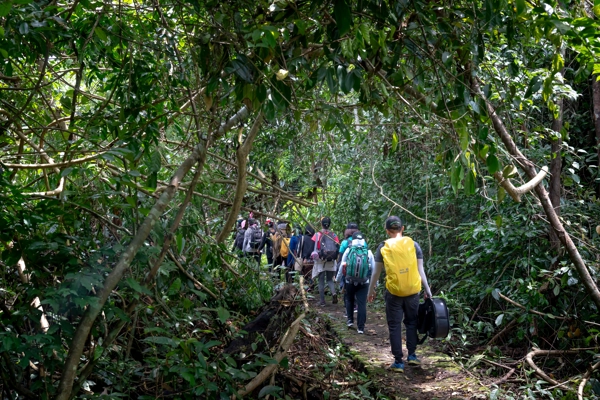
With additional time, travelers may have opportunities for guided walks, boat excursions and observing different habitats, depending on the itinerary.
The Manu National Park 4 Day Tour from Cusco is an alternative for visitors who want a multi-day rainforest journey while keeping their travel schedule relatively manageable.
Before booking, compare the exact destinations visited, accommodation arrangements and activities included.
Why Consider a 5-Day Manu Jungle Trip?
Five days can be appealing to travelers who prefer a less compressed itinerary and more time surrounded by tropical landscapes.
Longer stays may offer additional opportunities for birdwatching, guided rainforest exploration and learning about the region’s natural environments.
A 5-Day Manu Jungle Trip is an option for those who want to dedicate a larger part of their Peru holiday to the Amazon.
As with any rainforest excursion, the experience depends on the specific route, seasonal conditions and planned activities.
Manu Cultural Zone vs. Manu Reserved Zone: What’s the Difference?
Not every tour advertised as a Manu jungle experience visits the same part of the region.
This distinction matters when choosing an itinerary.
Manu Cultural Zone
The Cultural Zone generally refers to the accessible and inhabited landscapes surrounding the protected core of Manu, including destinations used by many shorter rainforest itineraries.
These tours can provide opportunities for cloud forest exploration, boat trips, wildlife observation and stays at jungle lodges.
However, visiting the Cultural Zone does not automatically mean entering the strictly protected areas of Manu National Park.
Manu Reserved Zone
The term Reserved Zone is commonly used by tour operators for more extensive expeditions into authorized visitor areas associated with the Manu River sector.
These journeys involve longer travel times, additional logistics and more remote rainforest environments.
Visitors interested in exploring these areas can consider an 8-Day Manu Reserved Zone Tour, which is designed around a longer Amazon expedition.
You might also like: Amazon Rainforest at Night: Animals, Sounds and Life After Dark
What Wildlife Can You See in Manu National Park?
Manu is known for its rich biodiversity, with habitats supporting a wide variety of mammals, birds, reptiles and amphibians.
Wildlife observation depends on the specific environments visited, the season, weather conditions and natural animal behavior.
Some of the species associated with the wider Manu region include:
-
Andean cock-of-the-rock: A distinctive bird associated with cloud forest habitats.
-
Macaws and parrots: Colorful birds that may be observed along rivers or at clay licks.
-
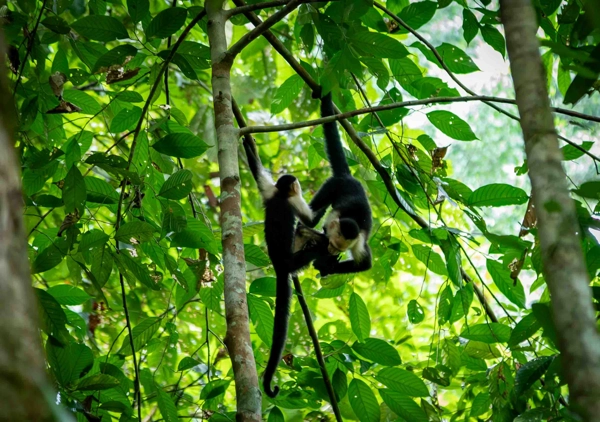
Monkeys: Several species inhabit different forest environments.
-
Giant river otters: An iconic Amazonian species associated with certain oxbow lakes.
-
Caimans: Reptiles found in suitable rivers, lakes and wetlands.
-
Jaguars: Present in the region, but sightings are uncommon and cannot be expected during a typical tour.
The most rewarding wildlife experiences often involve patience, quiet observation and guidance from someone familiar with the forest.
When Is the Best Time to Visit Manu National Park?
The recommended visiting period is generally April through November, while December through March is associated with heavier rainfall.
Visiting During the Relatively Drier Season
The months from May through October are popular for Amazon expeditions.
Lower rainfall can make some trails easier to access, although rain remains possible throughout the year.
This period is worth considering if you plan to combine Manu with other destinations in Peru.
Visiting During the Rainier Season
The wetter months bring more frequent rainfall, changing river conditions and potentially muddier trails.
Rain can influence navigation, road access and excursion schedules.
For a trip planned in 2027, confirm the itinerary’s operating dates and current travel conditions before making a reservation.
What Should You Pack for a Manu Amazon Adventure?
Because the journey passes through different elevations and climates, packing for Manu requires preparation for both cooler mountain conditions and humid tropical weather.
Useful items include:
-
Lightweight, long-sleeved shirts and comfortable trousers.
-
A waterproof jacket or rain poncho.
-
Suitable walking shoes or boots.
-
Insect repellent and sun protection.
-
Binoculars for birdwatching.
-
A reusable water bottle.
-
A waterproof bag for electronics and documents.
-
Personal medication and essential travel documents.
Before traveling, check current health guidance with an appropriate travel-health professional and confirm any equipment supplied by your tour operator.
You might also like: Complete Guide to Visiting Tambopata National Reserve
Frequently Asked Questions About Visiting Manu from Cusco
Is Manu National Park worth visiting?
Manu is worth considering if you enjoy nature, wildlife and exploring less urbanized environments. Its landscapes extend from the Andes to the Amazon Basin, offering a different experience from Peru’s archaeological and mountain destinations. Visitors should allow enough time for transportation and approach wildlife observation with realistic expectations.
How far is Manu National Park from Cusco?
The distance depends on which part of Manu you intend to visit. SERNANP lists the road journey to Atalaya at approximately eight to nine hours, followed by boat transportation for many rainforest destinations. More remote locations along the Manu River require significantly longer travel.
Can you visit Manu National Park without a tour?
Access to official protected-area tourist sectors is regulated, and SERNANP requires visitors to use authorized tourism operators. Traveling independently to towns in the surrounding Manu region is different from entering restricted national park areas. Check current entry conditions and operator authorization before planning a visit.
Are there jaguars in Manu National Park?
Yes. Jaguars inhabit parts of Manu’s rainforest ecosystems, although they are elusive animals. Seeing one during a standard jungle tour is rare. Travelers are more likely to observe birds, insects and other wildlife, depending on the route and conditions.
Can I take a tour from Cusco to Manu National Park?
Yes. Cusco is a common departure point for guided rainforest expeditions to the Manu region. Tours typically combine travel through the Andes and cloud forest with river transportation, lodging and guided activities. The exact protected areas visited depend on the itinerary.
Is it better to spend three or eight days in Manu?
Three days can provide an introduction to the region, while eight days allow a longer journey and potentially greater access to remote visitor areas. Neither duration guarantees particular wildlife sightings. Choose according to your available time, preferred activities, travel budget and the exact route offered.
Plan Your Manu Rainforest Experience from Cusco
Visiting Manu is about more than reaching a destination. The journey from Cusco brings together Andean landscapes, cloud forests, tropical rivers and the remarkable biodiversity of southeastern Peru.
When selecting an itinerary, consider how much time you can spend in the rainforest and which environments you most want to experience.
A shorter journey can introduce you to the region’s natural landscapes, while a longer expedition may provide opportunities to explore more remote areas.
If you’re comparing options, Amazon Garden Lodge offers a selection of Manu tours and Amazon rainforest experiences departing from Cusco.
Review the itinerary carefully, confirm the areas included and choose an experience that matches your expectations.
The best rainforest adventure is one that allows you to explore responsibly, appreciate the environment and enjoy the journey at your own pace.

