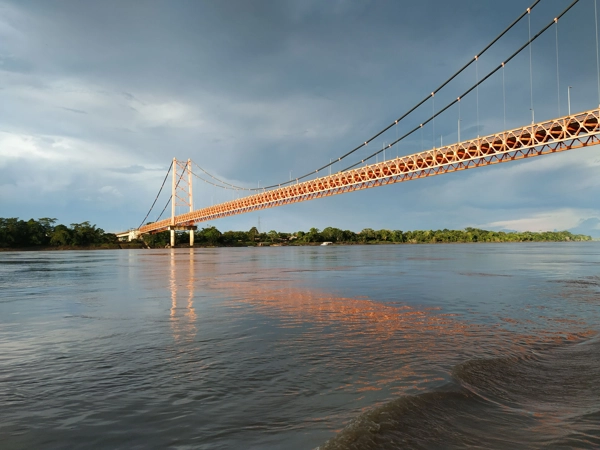
Tambopata is one of the best known gateways to the Peruvian Amazon for travelers who want to see wildlife, explore rainforest trails and visit places such as Sandoval Lake and the Chuncho Macaw Clay Lick.
Most Tambopata National Reserve tours start in Puerto Maldonado and combine river transportation, guided jungle walks, wildlife observation and lodge stays. The length of the trip can vary from two days to longer programs designed for travelers who want more time inside the rainforest.
For visitors comparing different Amazon experiences in Peru, Tambopata offers an accessible combination of biodiversity, natural attractions and relatively easy access from Puerto Maldonado.
You might also like: Iquitos vs Puerto Maldonado: Which Is Better for the Amazon?
What is Tambopata National Reserve?
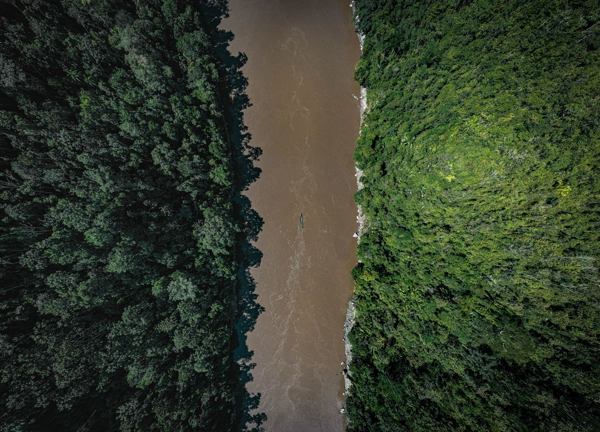
Tambopata National Reserve is a protected area in southeastern Peru known for its Amazon rainforest, rivers, lakes and exceptional biodiversity.
The reserve is located in the Madre de Dios region and protects habitats used by macaws, monkeys, caimans, giant river otters and many other Amazon species.
Travelers usually reach Tambopata through Puerto Maldonado, followed by road and river transportation depending on the lodge or itinerary.
Tambopata National Reserve tours are designed around nature observation. Rather than moving quickly from attraction to attraction, the experience usually involves early starts, river journeys, forest walks and periods of quiet observation.
Is Tambopata worth visiting?
Yes. Tambopata is particularly suitable for travelers interested in wildlife, rainforest landscapes and guided nature experiences.
One of its main advantages is accessibility. Puerto Maldonado has air connections with major Peruvian cities, and from there visitors can continue toward the reserve by road and boat.
Tambopata also offers several different types of experiences within the same destination.
Travelers can visit macaw clay licks, explore oxbow lakes, walk through primary and secondary rainforest and look for wildlife during both daytime and nighttime excursions.
For people visiting the Amazon for the first time, this variety makes Tambopata a practical introduction to the rainforest.
What wildlife can you see in Tambopata?
Wildlife sightings depend on season, weather, location and luck. Tambopata is a natural environment, so animals are never guaranteed.
Even so, the reserve is known for a wide range of species.
Macaws and parrots
Macaws are one of the animals most strongly associated with Tambopata.
Several species use clay licks along the rivers, where birds gather to consume mineral rich clay.
Early morning visits to these sites can provide one of the most memorable wildlife experiences in the region.
Monkeys
Different monkey species live in the forests around Tambopata.
Depending on the area visited, travelers may encounter capuchins, squirrel monkeys, howler monkeys or other primates moving through the canopy.
Their presence is usually detected first by movement or sound.
Giant river otters
Giant river otters inhabit some lakes and waterways in the Amazon basin.
Sandoval Lake is particularly associated with this species, although sightings depend entirely on the animals’ movements.
Observing them from a canoe or boat requires patience and distance.
Caimans and other rainforest wildlife
Tambopata is also home to caimans, turtles, frogs, butterflies, insects and an extensive variety of birds.
Night walks can reveal a completely different side of the rainforest, including nocturnal insects, amphibians and reptiles that are less active during the day.
What are the main places to visit in Tambopata?
Tambopata is not a single attraction. Different itineraries combine natural sites according to the number of days available and the location of the lodge.
Chuncho Macaw Clay Lick
The Chuncho Macaw Clay Lick is one of the best known wildlife sites in the Tambopata region.
Travelers usually arrive early in the morning, when macaws and parrots may gather along the riverbank.
For visitors especially interested in this experience, Amazon Garden Lodge offers a Tambopata 2 Days Chuncho Macaw Clay Lick tour focused on the upper Tambopata area.
Sandoval Lake
Sandoval Lake is an oxbow lake surrounded by rainforest and wetlands.
Visitors normally reach the lake through a forest trail before continuing by canoe.
The area is known for birdlife, monkeys and the possibility of observing giant river otters.
Travelers with limited time can consider the Sandoval Lake and Monkey Island 2 Days tour, which combines several of the region’s most recognizable Amazon environments.
Monkey Island
Monkey Island is commonly included in itineraries close to Puerto Maldonado.
It offers visitors an opportunity to observe primates and learn about the ecosystems surrounding the Madre de Dios River.
The experience is often combined with other nearby attractions rather than treated as a full day excursion on its own.
Tambopata rainforest trails
Walking through the rainforest is an essential part of most Tambopata jungle tours.
Guides use the trails to explain forest ecology, medicinal plants, animal tracks and the relationship between species.
The experience changes significantly between daytime and nighttime walks.
You might also like: Amazon Rainforest at Night: Animals, Sounds and Life After Dark
What is the Chuncho Macaw Clay Lick?
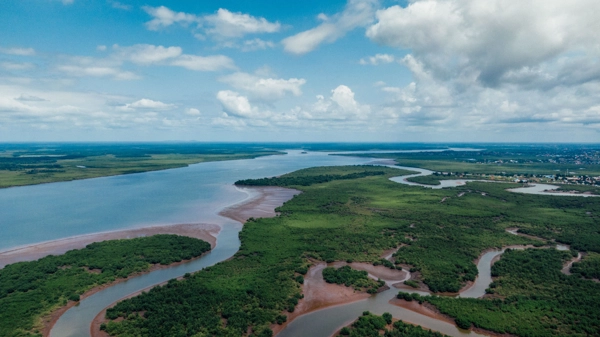
A macaw clay lick is a natural riverbank or exposed area where parrots and macaws gather to consume clay.
The exact reasons for this behavior have been studied for years and may involve minerals, diet and other ecological factors.
For visitors, the important point is that the activity usually takes place early in the morning.
That means tours often require waking before sunrise and traveling by boat while the forest is still dark.
When conditions are favorable, large numbers of birds may arrive gradually.
The experience is not similar to visiting a zoo. The birds are completely wild and may arrive later, stay briefly or avoid the area depending on weather and natural conditions.
This unpredictability is part of the experience.
Why visit Sandoval Lake?
Sandoval Lake provides a different Amazon environment from the main rivers and forest trails.
The calm water allows visitors to move slowly by canoe, making it easier to listen for birds and watch the forest edge.
It is especially appealing to travelers interested in photography and wildlife observation.
Because motorized traffic is limited in the lake area, the experience can feel considerably quieter than traveling along larger rivers.
This makes Sandoval Lake one of the most distinctive places to include in a Tambopata itinerary.
How many days do you need in Tambopata?
There is no single ideal duration.
The right number of days depends on what you want to see, your available travel time and how deeply you want to explore the rainforest.
Tambopata 2 Days
Two days work best for travelers with a limited schedule.
A short itinerary usually focuses on one or two major attractions rather than trying to cover the entire region.
It can be a practical option for travelers already passing through Puerto Maldonado.
Tambopata 3 Days
Three days provide more flexibility.
There is usually enough time to combine forest walks, river activities and wildlife observation without making every day feel rushed.
This duration can work well for first time Amazon visitors.
Tambopata 4 Days
Four days allow travelers to spend more time in different ecosystems and increase the number of opportunities for wildlife observation.
A Tambopata 4 Day Tour can combine jungle trails, river experiences and important natural attractions while maintaining a more relaxed pace.
Tambopata 5 Days
Five days are useful for travelers who want to combine several highlights rather than choosing between them.
Amazon Garden Lodge’s Tambopata 5 Days Chuncho Macaw Clay Lick and Sandoval Lake tour brings together two of the region’s strongest wildlife experiences in one longer itinerary.
Longer stays also provide more opportunities to observe different species because no single day in the rainforest is exactly the same.
How do Tambopata tours work from Puerto Maldonado?
Puerto Maldonado is the main access point for most Tambopata tours.
Travelers commonly arrive by air and then continue by road or boat toward their lodge or starting point.
The exact transfer depends on the location of the itinerary.
Some lodges are relatively close to the city, while tours deeper into the Tambopata region may require longer river journeys.
When comparing Tambopata tours from Puerto Maldonado, travelers should check what transportation is included, where the tour begins and how much travel time is required on the first and final days.
This can make a considerable difference in short itineraries.
What is the best time to visit Tambopata?
Tambopata can be visited throughout the year, but rainforest conditions change by season.
The drier months generally make some trails easier to walk and can provide more predictable transport conditions.
The wetter season brings heavier rain and higher water levels, but the rainforest remains active and lush.
Wildlife does not follow a tourism calendar.
A dry day does not guarantee more animals, and rain does not mean a trip will be unsuccessful.
Travelers should expect heat, humidity and the possibility of rain at any time of year.
What should you pack for a Tambopata jungle tour?
Comfort and protection are more important than bringing a large amount of clothing.
Lightweight long sleeved shirts and long trousers are useful for forest walks.
Comfortable closed footwear is important, particularly when trails are wet.
Travelers should also consider insect repellent, sun protection, a reusable water bottle and a light rain jacket.
A small waterproof bag or dry bag can be useful for cameras, phones and documents during boat journeys.
Binoculars are particularly valuable for wildlife observation.
Is Tambopata good for wildlife photography?
Yes, but rainforest photography requires patience.
Light levels under the canopy can be low, animals may move quickly and vegetation often limits visibility.
A zoom lens can be useful for birds and monkeys, while a wider lens works well for landscapes and lodge environments.
Travelers should protect equipment from humidity and rain.
Early morning excursions often provide interesting light as well as high levels of animal activity.
However, the best photographs usually come from waiting and observing rather than constantly moving through the forest.
You might also like: Complete Guide to Visiting Tambopata National Reserve
How much does a Tambopata tour cost?
Prices vary according to the duration, lodge, transportation, group size and activities included.
A short tour close to Puerto Maldonado will usually have a different cost structure from a multi day itinerary deeper inside the reserve.
When comparing prices, travelers should check whether the package includes accommodation, meals, guides, airport transfers, river transport and entrance fees.
A lower advertised price is not necessarily less expensive if important services have to be purchased separately.
The best comparison is between complete itineraries, not only the headline rate.
How to choose the best Tambopata tour
Start with the experience you care about most.
If seeing macaws is the priority, choose an itinerary that specifically includes a clay lick.
If you are especially interested in lakes and giant river otters, prioritize Sandoval Lake.
Travelers who want a broader experience should consider a four or five day program that combines several ecosystems.
Also review how much time is spent traveling between locations.
A longer tour is not automatically better if much of the itinerary is devoted to transfers.
Good Tambopata National Reserve tours should clearly explain the route, activities, accommodation and what is included before the traveler books.
Frequently asked questions about Tambopata National Reserve Tours
Is Tambopata worth visiting?
Yes. Tambopata is a strong choice for travelers who want a Peruvian Amazon experience focused on wildlife, rainforest landscapes, river travel and natural attractions such as Sandoval Lake and macaw clay licks.
How many days do you need in Tambopata?
Two or three days can provide an introduction to the rainforest, while four or five days allow more time to combine wildlife sites, lakes, trails and clay licks.
Can you visit Tambopata from Puerto Maldonado?
Yes. Puerto Maldonado is the main gateway to Tambopata, and most tours begin with road or river transportation from the city.
What animals can you see in Tambopata?
Possible sightings include macaws, parrots, monkeys, caimans, giant river otters, turtles, frogs and many species of birds and insects. Sightings are never guaranteed because the animals are wild.
Is Sandoval Lake inside Tambopata National Reserve?
Sandoval Lake is located within the Tambopata protected landscape and is one of the best known natural attractions visited from Puerto Maldonado.
What is the best time of year to visit Tambopata?
Tambopata can be visited throughout the year. Drier months may make trails and transfers easier, while wetter periods offer lush rainforest conditions and higher river levels.
Choose a Tambopata experience that matches your travel style
There is no single Tambopata itinerary that works for every traveler.
Some visitors want to see macaws at sunrise. Others prefer quiet canoe trips, rainforest photography or several days of wildlife observation.
The most useful approach is to decide which experiences matter most and then choose the number of days that allows enough time to enjoy them without rushing.
Amazon Garden Lodge offers different Tambopata itineraries designed around these environments and wildlife experiences, from short Amazon introductions to longer programs combining the Chuncho Macaw Clay Lick, Sandoval Lake and rainforest exploration.
You might also like: 15 Places to visit in the Amazon Rainforest