
Have you decided to travel this year? We present the ultimate guide to traveling to Peru in March, which will help you plan your adventure without missing a thing. Here you’ll find everything you need to know about the weather, must-see places, what to pack, and how to make the most of this particular month.
You might be interested: Festivals in Cusco month by month
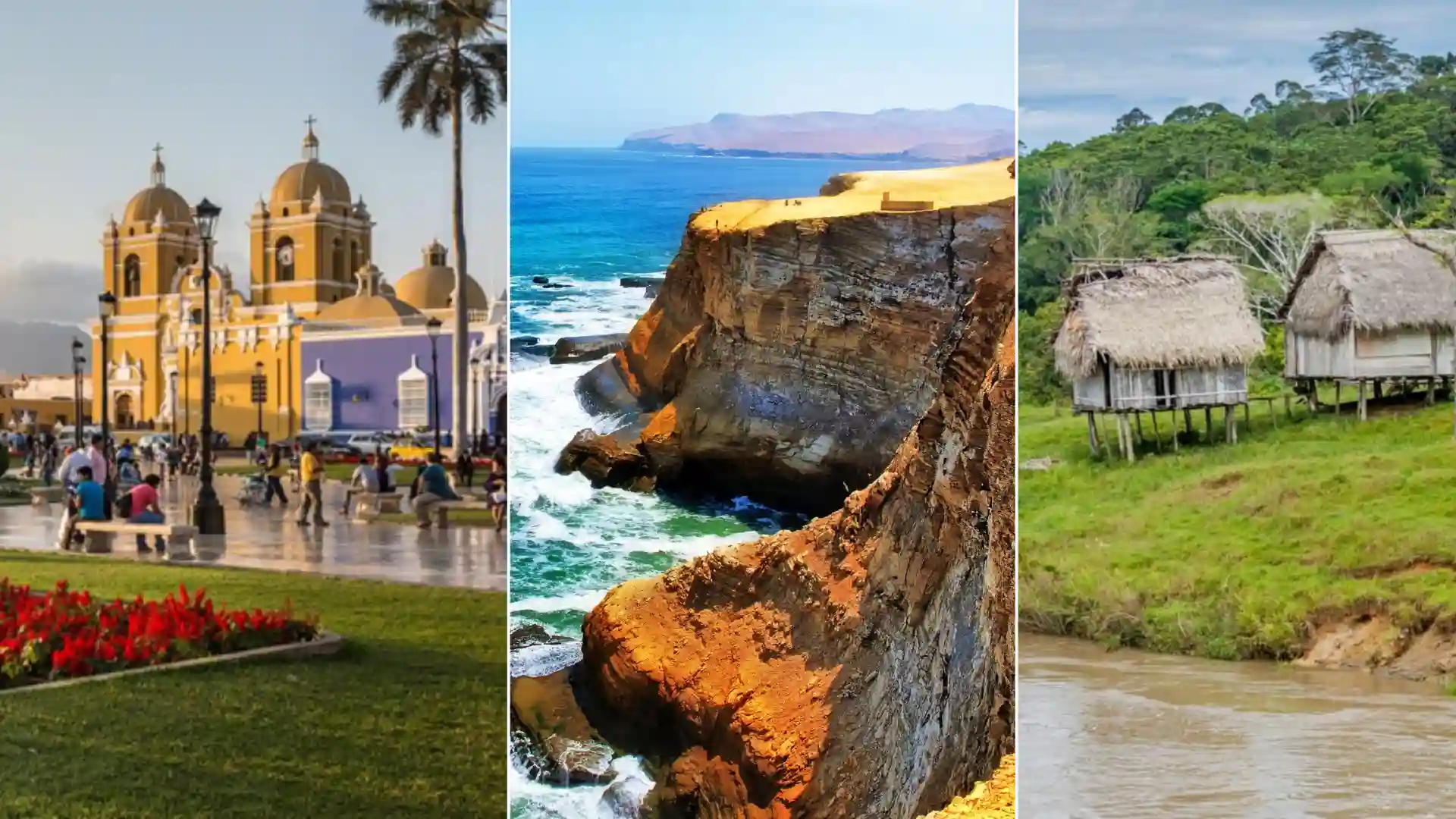
Why travel to Peru in March
March sits between the peak rainy months and the start of the dry season in Peru. This transitional period creates a travel experience that combines vibrant scenery with fewer tourists, but it also comes with a few weather-related considerations.
Benefits of traveling to Peru in March
One of the main advantages of visiting Peru in March is the landscape. After months of seasonal rain, the Andes are at their greenest. Valleys, agricultural terraces, and mountain slopes around Cusco and the Sacred Valley look fresh and full of life. Waterfalls are stronger than later in the year, and the scenery feels dramatic and photogenic, especially in the mornings when clouds clear over the mountains.
Another key benefit is the lighter tourism flow. March falls in the shoulder season, meaning you can explore major attractions with fewer crowds compared to June, July, and August. Archaeological sites feel more spacious, tours are less rushed, and it’s easier to secure preferred time slots for popular destinations. The overall atmosphere is more relaxed, allowing for a more immersive experience.
Travel costs are also generally more favorable. Accommodation prices tend to be lower than during peak season, and tour operators often have greater availability. This makes March appealing for travelers looking to balance quality experiences with smarter budgeting.
Drawbacks of traveling to Peru in March
Despite the improving weather, rainfall is still part of the Andean climate in March. Afternoon showers remain common in highland regions, and while they are usually shorter than earlier in the season, they can affect outdoor plans. Travelers should be prepared for quick weather changes and carry waterproof layers.
Trail conditions can also be a consideration for hikers. Some routes may remain muddy or slippery, particularly in early March. Although most trekking activities resume normally after February maintenance closures, the terrain can require extra caution and proper equipment, especially for travelers planning trekking tours in Peru during the transitional rainy season.
Lastly, weather variability can make planning less predictable than during the dry season. Clear mornings can turn into cloudy afternoons, so flexibility in scheduling outdoor activities is important.
Overall, the benefits of lush landscapes, fewer tourists, and better prices often outweigh the drawbacks for travelers who are prepared and adaptable.
You might be interested: 15 Traditional food in Peru

Weather conditions in Peru in March
Learn all about the weather in Peru during March and discover how this transitional season can influence your travel experience. This month marks the end of the rainy season in the highlands with the gradual start of more stable days, while the coast still experiences the warm summer weather and the Amazon rainforest is dominated by intermittent tropical rains.
Regional rainfall in March
In the highlands, such as Cusco, Arequipa, and Puno, March signals the gradual easing of the rainy season. Showers are still possible, but they usually arrive in the afternoon or evening rather than lasting all day. Mornings are typically clearer, offering great visibility for mountain views and outdoor excursions.
In the Amazon region, March falls within the wetter cycle of the year. Rainfall is frequent but tends to come in intense tropical bursts followed by sunshine. Higher river levels make boat transportation easier and allow deeper access into rainforest areas.
Temperature by region
Weather conditions vary dramatically depending on elevation and geography. Along the coast, daytime temperatures generally range from 75°F to 86°F (24°C–30°C), with warm and comfortable evenings. In the Andean highlands, temperatures are cooler, usually between 45°F and 68°F (7°C–20°C), with noticeably chilly nights due to altitude.
In the jungle, the climate is warmer and more humid, averaging between 72°F and 90°F (22°C–32°C). Across the Andes, one of the most important factors to consider is the sharp contrast between daytime warmth and nighttime cold, making layers essential for comfort.
March weather in Cusco
Cusco in March still reflects the tail end of the rainy season, but conditions are steadily improving. Mornings often begin with crisp air and partial sunshine, ideal for sightseeing or visiting archaeological sites. By afternoon, scattered showers may develop, though they are typically shorter and less intense than earlier in the year.
The surrounding mountains and valleys are exceptionally green during this time, creating dramatic and photogenic scenery. With mild daytime temperatures and cooler evenings typical of high-altitude cities, March offers a refreshing climate paired with some of the most vibrant landscapes of the year.
You might be interested: 40 Animals in the peruvian amazon
Is March a good time to visit Machu Picchu?
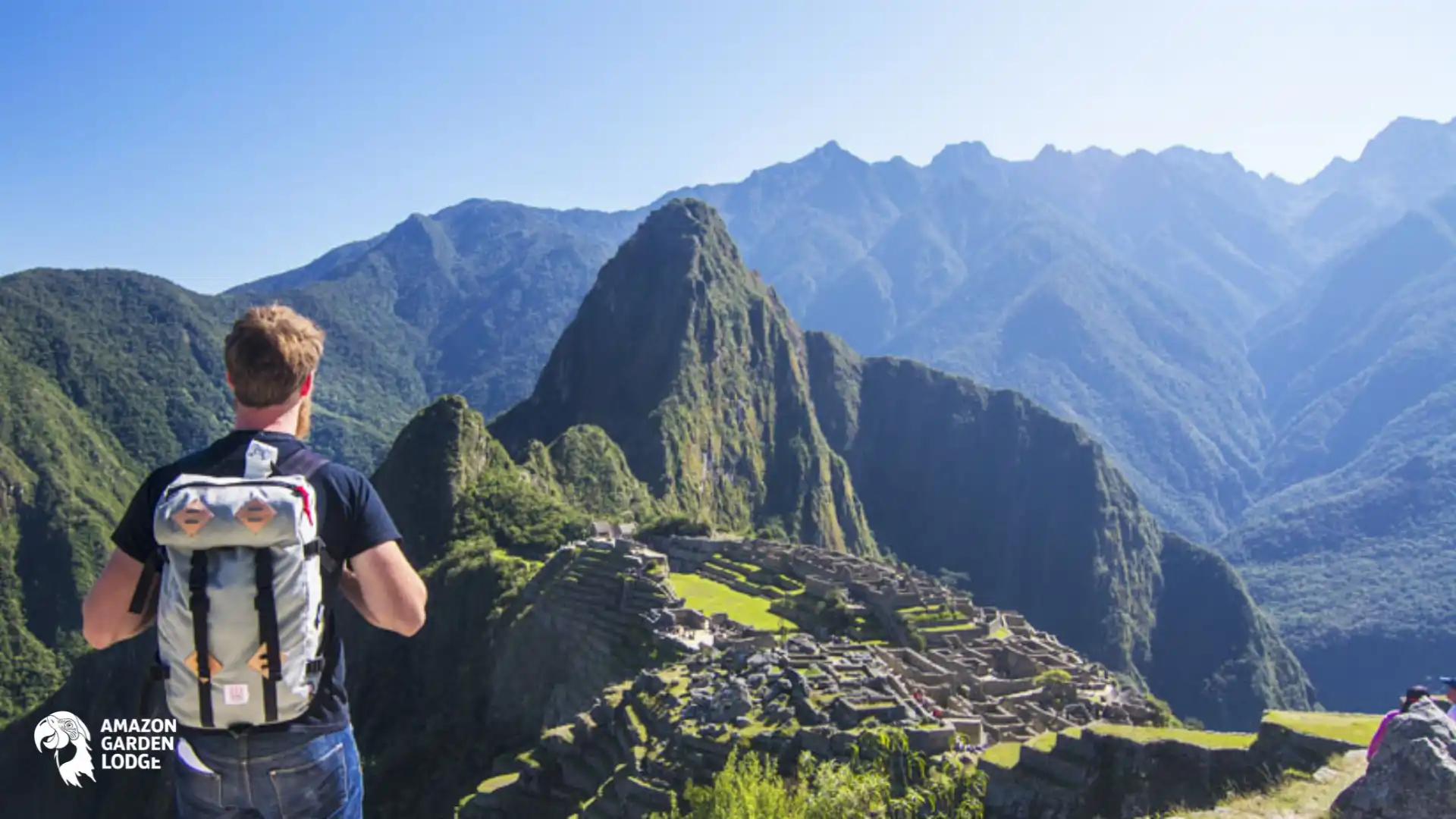
March can be a very good time to visit Machu Picchu, especially if you’re looking for greener landscapes, fewer crowds, and more flexible pricing. While it’s still part of the rainy season in the Andes, conditions are noticeably improving compared to January and February.
Weather conditions in March
Rain is still possible, particularly in the afternoon, but showers are often shorter and less intense than earlier in the season. Mornings tend to be clearer, which makes early entry tickets ideal for better views and photos. The surrounding mountains are incredibly green, and light mist over the citadel can create a dramatic, almost cinematic atmosphere.
Crowds and visitor experience
March falls within the shoulder season, meaning there are generally fewer visitors than during the peak months of June, July, and August. This results in a more relaxed experience inside the archaeological site. Circuits feel less rushed, viewpoints are easier to access, and photo opportunities are better.
You might be interested: New year traditions in Peru
Festivities and local celebrations in Peru in March
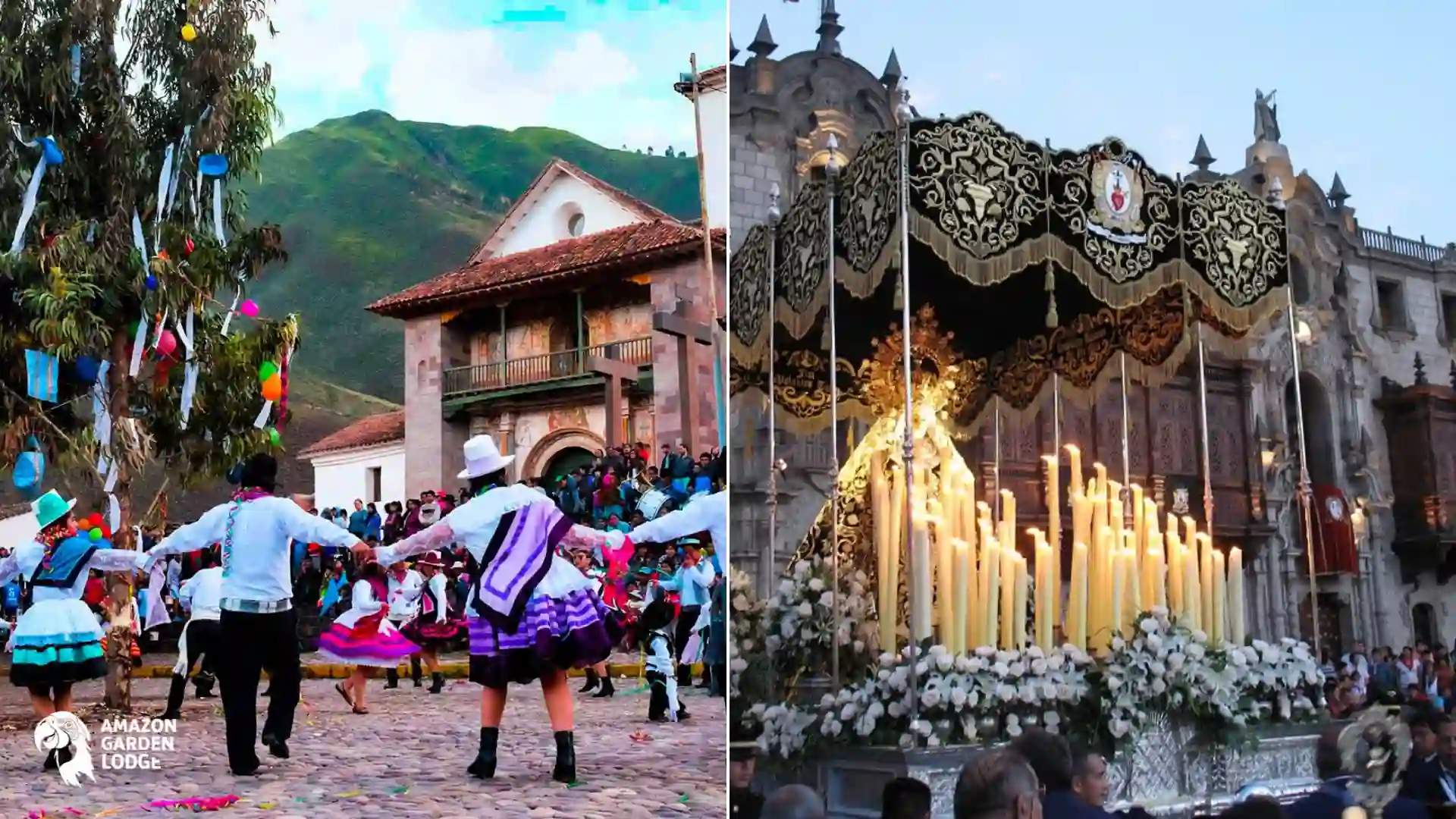
March in Peru is a culturally rich month, blending harvest traditions, religious devotion, artisan recognition, and vibrant regional festivals. While it’s considered shoulder season for tourism, it’s actually a meaningful time to experience authentic Peruvian traditions across the coast, Andes, and southern highlands.
International Harvest Festival
In the southern coastal region of Ica, early March brings one of Peru’s most celebrated wine and pisco festivals. The International Harvest Festival honors the grape harvest with traditional grape stomping events, wine and pisco tastings, parades, live concerts, and cultural performances. A major highlight is the “Ruta de los Lagares,” where visitors tour historic wineries and learn about artisanal wine and pisco production. It’s a lively and flavorful way to experience Peru’s coastal heritage.
Carnival Season
In some years, Carnival celebrations extend into early March. Andean cities like Ayacucho, Cajamarca, and Puno are especially known for their colorful and energetic festivities. Expect traditional music, vibrant dance groups (comparsas), water games, and elaborate costumes. The celebrations traditionally conclude with the symbolic burning of “Ño Carnavalón,” marking the official end of Carnival in a joyful and theatrical way.
Peruvian Artisan Day
March 19 is dedicated to honoring Peru’s artisans, the creators behind the country’s rich tradition of textiles, ceramics, silverwork, wood carvings, and folk art. Cultural institutions and local communities organize exhibitions and workshops that recognize the importance of preserving traditional craftsmanship. It’s a meaningful day to support local artisans and explore Peru’s artistic heritage.
National Day of the Torito de Pucará
Celebrated on March 18, this day honors the Torito de Pucará, a traditional ceramic bull from the Puno region in southern Peru. These colorful figurines are commonly placed on rooftops as symbols of protection, prosperity, and good fortune. Cultural activities highlight the artistic and symbolic importance of this iconic Andean craft.
Harvest Traditions in the Andes
March also coincides with harvest season in many highland communities. While not always organized as large public festivals, local gatherings often include rituals of gratitude to Pachamama (Mother Earth) for the crops. These ceremonies reflect deep-rooted agricultural traditions and the spiritual connection between Andean communities and the land.
Religious Celebrations and Holy Week
Depending on the calendar year, Holy Week (Semana Santa) may begin in late March. When it does, cities such as Ayacucho and Cusco hold important religious observances. In Cusco devotion to the Señor de los Temblores, the city’s patron saint, becomes especially significant, blending Catholic faith with Andean symbolism during processions and ceremonies.
You might be interested: All about the Peruvian Amazon tribes

What to pack for Peru in March
- Layers: t-shirts, light sweaters, and a warm jacket for cold evenings
- Waterproof rain jacket or poncho (afternoon showers happen often)
- Quick-dry pants and comfortable jeans
- Waterproof hiking boots if you’re hitting the trails
- Hat and gloves for chilly high-altitude mornings
- High SPF sunscreen (the sun is intense in the mountains)
- Sunglasses and a cap
- Lightweight summer clothes: shorts, dresses, tank tops
- Swimsuit for coastal areas
- Sandals and comfortable walking shoes
- Long-sleeve shirts and pants in breathable fabric (jungle protection)
- Strong insect repellent
- Rubber boots or closed-toe shoes that can get wet
- Lightweight rain gear
- Headlamp or flashlight
- Small daypack for excursions
- Reusable water bottle
- Personal medications and altitude sickness pills
- Power adapter (Peru uses Type A and C plugs)
- Cash in soles for markets and small towns
- Waterproof bag for important documents
You might be interested: Summer in Peru: 5 top destinations to visit

Things to do in Peru in march
No need to keep wondering. Here are the best things you can do in Peru during March so you can plan your trip without the guesswork and make the most of it. The coast is still holding onto summer warmth, perfect for beach days and pisco tastings. And the Amazon? Rivers are high, giving you access to parts of the jungle you can’t reach during drier months. Whether you’re into hiking ancient trails, exploring markets bursting with fresh produce, or joining local harvest celebrations, March gives you a solid mix of experiences without the peak season chaos.
Machu Picchu with fewer crowds
March sits right at the tail end of the rainy season, which means the ancient citadel is draped in lush greenery. The terraces look vibrant, the mountains are capped with mist, and those iconic photos you’ve seen? They’re even better in person during this time. Plus, fewer tourists means you can actually enjoy the site without feeling rushed or crowded. Just be prepared for possible drizzle and book your entrance tickets in advance since daily visitor numbers are still capped.
Cusco and Sacred Valley exploration
The weather in March is comfortable for walking around Cusco’s cobblestone streets and exploring Sacred Valley sites like Ollantaytambo and Pisac. Daytime temps hover around 60-65°F (15-18°C), cool enough that you won’t overheat while climbing ruins but warm enough to enjoy being outside. Mornings can be crisp, and afternoons may bring brief showers, but overall it’s one of the better months to explore without battling extreme cold or heavy tourist crowds.
Andean trekking routes
February is when most major trails close for maintenance and to let the paths recover from rain damage. By March, routes like the Inca Trail and Salkantay reopen, and the landscapes are stunning after weeks of rain. Trails can still be muddy and slippery, so good boots are a must. You’ll also want rain gear since afternoon showers are common. The upside? You get green valleys, flowing waterfalls, and snow-capped peaks all in one trek. Permits for the Inca Trail sell out fast even in shoulder season, so book months ahead.
Harvest festivals
March falls during harvest time in many regions, and locals celebrate with festivals that mix Catholic traditions with indigenous customs. You might catch grape harvest celebrations in wine country, corn festivals in the highlands, or regional fiestas with music, dancing, and traditional food. These aren’t tourist shows but real community events where you can see Peruvian culture up close. It’s worth asking locals or your hostel about any festivals happening during your visit.
Coastal beach weather
While the mountains deal with rain, Peru’s coast is still enjoying summer. Lima sits around 75-80°F (24-27°C) in March, perfect for beach days in Miraflores or Barranco. Head south to Paracas for boat trips to the Ballestas Islands or sandboarding in nearby Huacachina. Ica stays dry and sunny, making it ideal for outdoor activities. The ocean water is cool but swimmable, and you’ll find beach bars and restaurants operating at full swing before the coastal winter sets in.
Vineyard tours and pisco tasting
March marks grape harvest season in Peru’s wine regions, especially around Ica. Vineyards open their doors for tours, tastings, and harvest experiences where you can sometimes pick grapes yourself. Pisco production kicks into high gear, and many distilleries offer behind-the-scenes looks at how Peru’s national spirit is made. Whether you’re a wine person or more into pisco sours, this is the time to explore the country’s growing wine and spirits scene while everything is fresh and active.
Travel tips for Peru in March
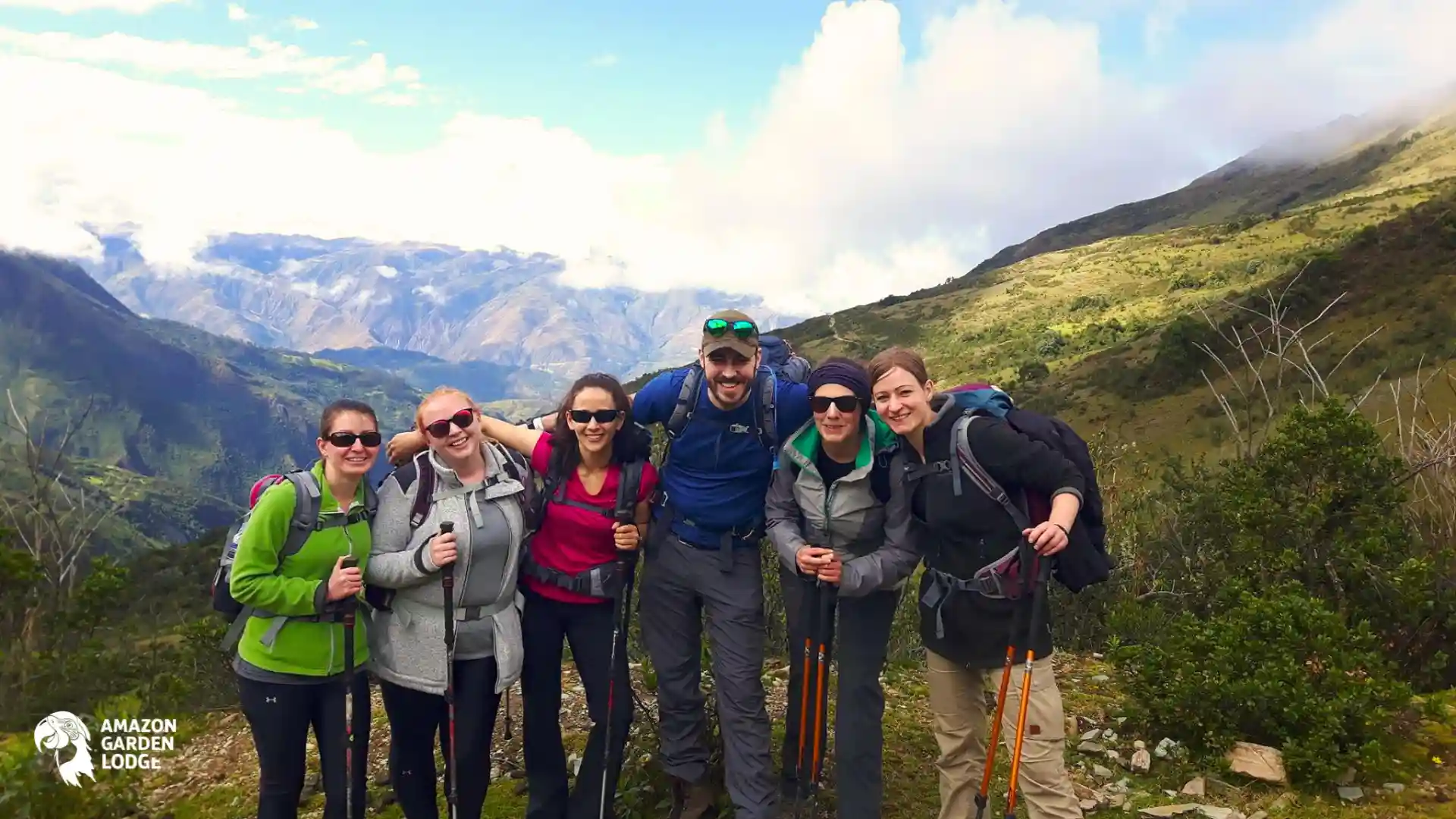
- Pack layers since temperatures swing between warm days and chilly evenings, especially in the mountains.
- Bring a good rain jacket and waterproof bag. Afternoon showers are common in highland areas.
- Book Machu Picchu permits ahead of time, even though crowds thin out during this month.
- Wear broken-in hiking boots if you’re tackling any trails. Muddy paths can get slippery.
- Check trail conditions before heading out, as some routes may close temporarily after heavy rain.
- Carry cash for small towns and markets where card payments aren’t always available.
- Apply sunscreen regularly at high altitudes. The sun hits harder than you’d expect, even on cloudy days.
- Stay flexible with your plans since weather can shift quickly in the Andes.
- Sample seasonal fruits at local markets. March brings some of the freshest produce.
- Consider visiting coastal areas if you want consistent sunshine and warmer temperatures.
- Respect local customs during festivals and ask before taking photos of people or ceremonies.
- Start your day early to make the most of morning sunshine before afternoon rains roll in.

