
Tingo María National Park is popularly known as “Sleeping Beauty” because the silhouette of its mountains resembles the profile of a reclining woman when viewed from the city of Tingo María. It is one of the most iconic natural destinations in the central Peruvian rainforest, renowned for its mountains covered in lush vegetation, mysterious caves, and astonishing biodiversity. This park is ideal for travelers seeking nature, adventure, and tropical landscapes off the beaten path. In this travel guide, you’ll find everything you need to plan your visit and discover why Tingo María is a true gem of Peruvian ecotourism.
You might be interested: Festivals in Cusco month by month
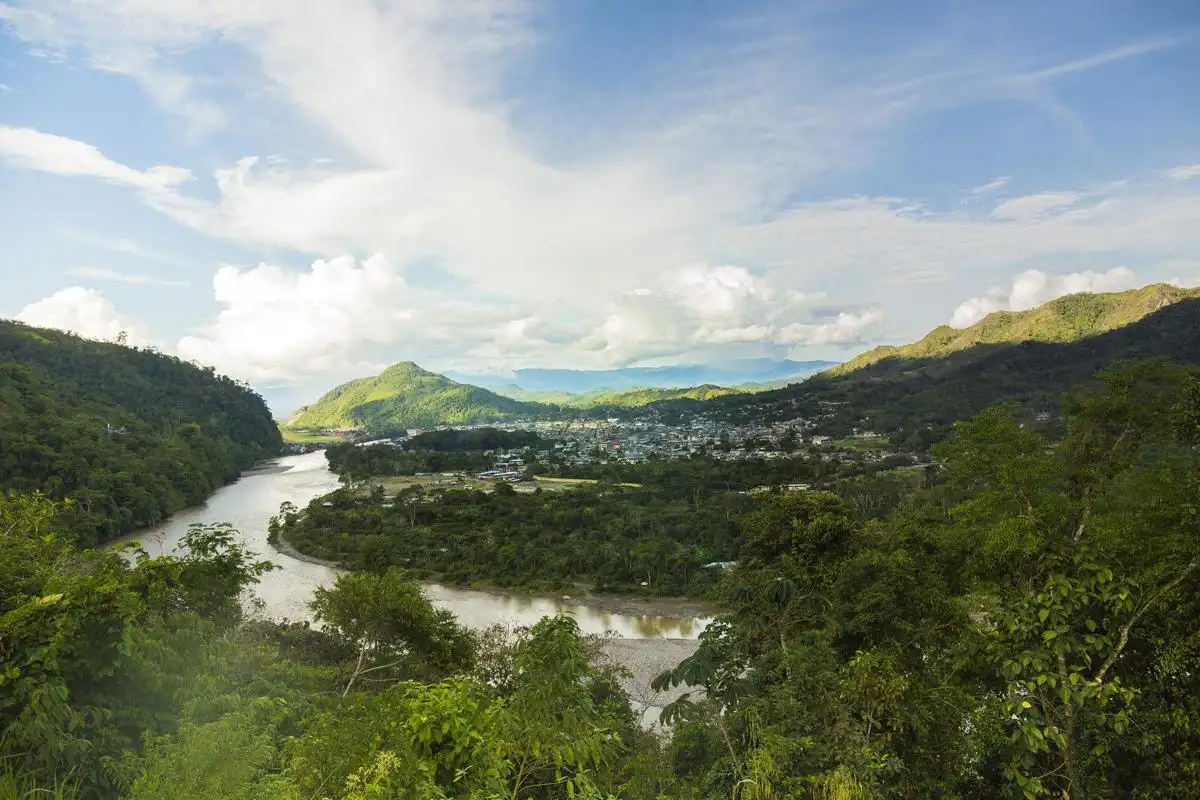
What is Tingo Maria National Park?
The Tingo María National Park is one of Peru’s oldest protected natural areas, officially established on May 14, 1965 under Law No. 15574. Today, it is administered by the National Service of Natural Protected Areas (SERNANP), part of the Ministry of the Environment (MINAM).
Covering 4,777 hectares, the park protects the iconic La Bella Durmiente mountain range, named for its silhouette resembling a woman resting and gazing toward the sky. This protected ecosystem hosts remarkable biodiversity, including 656 plant species, 242 orchid species, 33 amphibians, 29 reptiles, 291 bird species, 76 mammals, and more than 320 species of butterflies.
Birdlife is especially notable, with emblematic species such as the oilbird, the Andean cock-of-the-rock, and the black-bellied tanager. The park is also home to fascinating mammals like the margay, jaguar, and capybara, highlighting its importance as a refuge for Amazonian and Andean wildlife.
You might be interested: 15 Traditional food in Peru
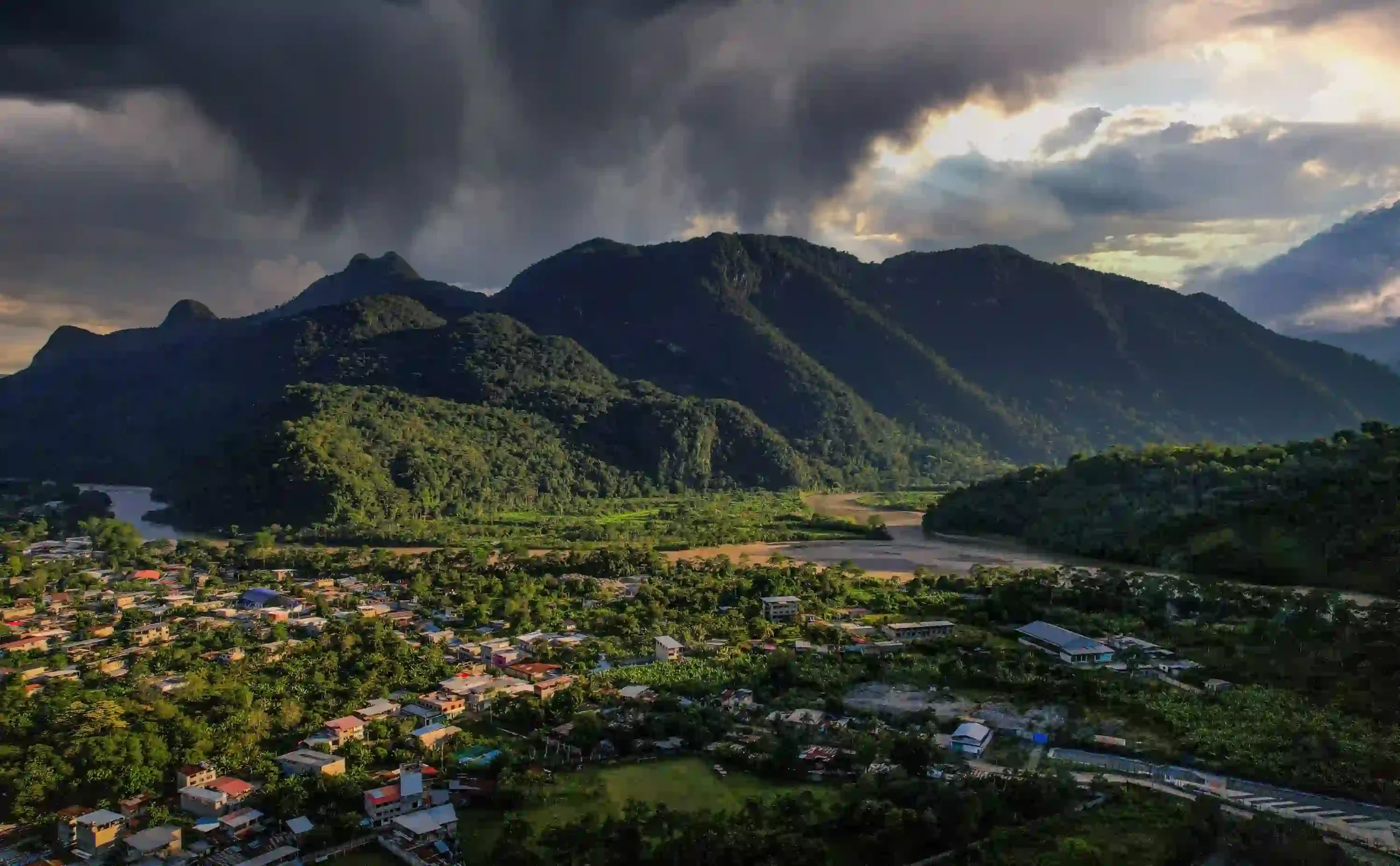
Where is the park located and how to get there
The Tingo María National Park is located in the Huánuco region, in central Peru, just 10–15 minutes from the city of Tingo María. The park sits between the Andes and the Amazon basin, making it easily accessible compared to many jungle destinations.
How to get there
From Lima
By bus: Overnight buses from Lima to Tingo María take approximately 10–12 hours, with prices ranging from USD 20–35, depending on the company and service type.
By plane: Flights operate to Alférez FAP David Figueroa Fernandini Airport (TGI), with a flight time of about 1 hour (availability may vary by season).
From the city: Taxi or mototaxi to the main entrance takes 10–15 minutes, costing around USD 2–4.
Entrance fees in Tingo María National Park (2026)
| Visitor type | Price (PEN) | Price (USD) | Price (EUR) |
|---|---|---|---|
| Peruvian adults | S/ 30.00 | ≈ USD 8.00 | ≈ EUR 7.40 |
| Peruvian children | S/ 5.00 | ≈ USD 1.35 | ≈ EUR 1.25 |
| Local adults (Huánuco region) | S/ 11.00 | ≈ USD 3.00 | ≈ EUR 2.70 |
| Local children | S/ 3.00 | ≈ USD 0.80 | ≈ EUR 0.70 |
Where to buy entrance tickets
Entrance tickets for Tingo María National Park can be purchased directly at the main entrance of the park, where payment is usually made in cash using Peruvian soles.
Visitors may also buy tickets online in advance through the official SERNANP platform, which is recommended during high season, weekends and holidays to ensure smooth access.
In some cases, tickets are available at authorized SERNANP offices or tourist information centers in the city of Tingo María. Visitors should keep their ticket during the visit, as it may be requested by park rangers inside the park.
You might be interested: 40 Animals in the peruvian amazon

Tingo Maria National Park biodiversity
Tingo María National Park is a biodiversity hotspot nestled in the transition zone between the Andes and the Amazon rainforest, creating a unique ecological corridor that harbors an extraordinary variety of life. Spanning 18,000 hectares of protected wilderness, the park sits at elevations ranging from 650 to 1,900 meters above sea level, allowing for diverse microclimates and ecosystems to thrive.
This remarkable location supports over 200 bird species, countless insect varieties, diverse mammal populations, and thousands of plant species, many of which are endemic or endangered. For travelers seeking immersive nature experiences, combining a visit to the park with a machuwasi lake tour offers a deeper connection to the region’s aquatic ecosystems and rich wildlife. The park’s exceptional biodiversity has earned it international recognition as a critical conservation area, protecting species found nowhere else on Earth while serving as a living laboratory for scientific research and environmental education.
Fauna
Tingo María National Park is packed with wildlife, thanks to its location between the cloud forest and the edge of the Amazon. One of its most iconic inhabitants is the guácharo, or oilbird, a nocturnal, fruit-eating bird that lives inside the Cave of the Owls. What makes it truly special is its ability to navigate in total darkness using echolocation, a rare skill among birds.
Birdlife is especially rich, with more than 200 species recorded. It’s common to see toucans, parrots, hummingbirds and, if you’re lucky, the striking Andean cock-of-the-rock. Mammals include howler and capuchin monkeys, coatis, agoutis and tayras, while more elusive species such as the spectacled bear, ocelots and jaguarundis move quietly through the forest. Bats are also abundant and play an important role in pollination and seed dispersal. The park’s rivers and streams support native fish species that are essential to the local ecosystem.
Flora
The plant life in Tingo María National Park is just as impressive and changes noticeably with elevation. At lower levels, dense tropical rainforest dominates the landscape, with towering ceiba trees, mahogany and cedar forming a thick canopy overhead. As you climb higher, the environment shifts into cloud forest, where trees are covered in moss, and giant ferns, orchids, bromeliads and hanging vines create a lush, almost otherworldly setting.
The park protects hundreds of plant species, including many orchids as well as medicinal plants traditionally used by local communities. Bamboo groves, heliconias, gingers and flowering shrubs fill the understory, attracting birds and insects, while ancient trees draped in air plants form natural vertical gardens. Together, this rich plant diversity supports wildlife and helps regulate water, store carbon and maintain a stable climate across the region.
You might be interested: New year traditions in Peru

Tourist areas of Tingo María National Park
The Tingo María National Park is divided into several well-defined tourist areas that allow visitors to explore different ecosystems and attractions within the protected zone. Each area offers unique experiences, ranging from caves and rivers to waterfalls and panoramic viewpoints, making it easy to plan visits according to interests, time available and activity level.
1. Owl Cave Tourist Area
This is the most visited area of the park and its main attraction. It is located 7 km from the city, on the road to Monzón, with an approximate access time of 10 minutes by car. The area includes an entrance walkway, a bridge over the Cueva River, and a picnic area known as Ojo de Agua (Water Spring), located about 300 meters from the cave entrance.
Inside the cave, you can observe stalactites, stalagmites, columns, and mineral formations created over thousands of years. The cave is home to a significant colony of oilbirds (Steatornis caripensis), as well as bats, insects, and other wildlife. The area offers basic tourist services such as visitor information, restrooms, and vendors selling snacks, handicrafts, homemade ice cream, traditional dishes, and beverages.
Visiting Hours: 8:00 a.m. – 5:30 p.m.
Maximum capacity: 869 people (with temporary reductions according to regulations).
Main activities:
- Birdwatching
- Flora and fauna observation
- Ecotourism
- Camping
- Recreational activities on the Cueva River
- Picnic area
2. Tres de Mayo Tourist Sector
Located south of the park, this sector is 14 km from the city of Tingo María, on the road to Huánuco, with an approximate travel time of 20 minutes. Access is via a suspension bridge over the Huallaga River, in the hamlet of Tambillo Chico.
During the initial tour, visitors can explore an orchid garden, a butterfly garden, as well as various species of birds, medicinal, forest, and ornamental plants. The sector is known for its crystal-clear waterfalls, including Gloriapata (1.8 km), Sol Naciente (4.76 km), and Salto del Ángel (5.46 km). It also offers tourist information services, lodging, and food and beverage sales. Visiting Hours: 8:00 a.m. – 3:00 p.m.
Main Activities:
- Birdwatching
- Flora and Fauna Observation
- Community Tourism
- Camping
- Waterfall Visits
- Trekking
3. Quinceañera Tourist Area
This area is located 7 km from the city of Tingo María, on the road to Huánuco, with access in approximately 10 minutes by vehicle. The entrance fee includes crossing the Huallaga River on a cable car, followed by a hike of about 1 km to the Quinceañera Waterfall.
The waterfall has a 43-meter drop and is located in a very humid pre-montane tropical forest area, surrounded by abundant vegetation. The area offers tourist information services, snacks and drinks for sale, as well as cable car transportation.
Visiting Hours: 8:00 a.m. – 4:00 p.m.
Main activities:
- Birdwatching
- Flora and fauna observation
- Recreational activities at the waterfall
- Trekking
You might be interested: All about the Peruvian Amazon tribes

The best time to visit Tingo Maria in Peru
The best time to visit Tingo María is during the dry season, from May to September. During these months, rainfall is lower, trails are in better condition, and activities such as hiking, cave visits and waterfall excursions are more accessible.
The rainy season runs from October to April, with heavier rainfall between January and March. While the landscape is at its greenest and rivers are full, some trails may become muddy and access to certain areas can be limited.
Climate in Tingo María
The climate in Tingo María is tropical and humid, typical of Peru’s central jungle region. The city sits at approximately 650 meters (2,130 ft) above sea level, which results in warm temperatures year-round with high humidity and abundant rainfall.
Average daytime temperatures range between 24°C and 32°C (75°F–90°F), while nighttime temperatures rarely drop below 20°C (68°F). Humidity levels are consistently high, often exceeding 80%, contributing to the lush vegetation and rich biodiversity of the area.
Weather conditions throughout the year
Tingo María experiences two main seasons: a rainy season and a drier season.
Rainy season (October to April):
This period brings frequent rainfall, with the heaviest precipitation occurring between January and March. During these months, rivers are full and the surrounding forests are at their greenest, though some trails may become muddy and slippery.
Drier season (May to September):
Rainfall decreases noticeably, making this the best time for outdoor activities such as hiking, cave exploration and waterfall visits. Days remain warm, while evenings can feel slightly cooler and more comfortable.
You might be interested: Summer in Peru: 5 top destinations to visit

8 Places to visit in the Tingo María National Park
The Tingo María National Park offers a diverse mix of landscapes, geological formations and wildlife-rich areas. From iconic mountains and underground caves to waterfalls and natural pools, these places highlight the park’s ecological and scenic importance. Below are the must-see spots you should include in your visit.
1. Sleeping Beauty (La Bella Durmiente)
This iconic mountain range gives the park its nickname. When viewed from the city of Tingo María, the silhouette resembles a woman lying on her back. It is a protected landscape that represents the park’s identity and can be admired from several viewpoints around the city.
2. The Cave of Owls
One of the park’s main attractions, this limestone cave features impressive stalactites and stalagmites formed over thousands of years. It is home to oilbirds (guácharos), bats and various insects. Visitors should wear non-slip footwear and follow ranger instructions due to low light and uneven terrain.
3. The Sulphurous Waters
Natural pools fed by mineral-rich sulphur springs, known locally for their relaxing properties. These waters maintain a warm temperature year-round and are commonly visited after hikes for rest and recovery.
4. Santa Carmen Waterfall
A scenic waterfall surrounded by dense tropical vegetation. The area is ideal for nature photography and birdwatching, especially during the rainy season when water flow is stronger.
5. Gloriapata Waterfall
Located within the Tres de Mayo sector, this waterfall is accessed via a forest trail. Its clear waters and natural setting make it one of the most popular trekking destinations inside the park.
6. Jacintillo Lookout
A natural viewpoint offering panoramic views of the Huallaga River valley and surrounding jungle landscapes. It is one of the best spots for sunrise or sunset photography.
7. Tres de Mayo Waterfalls
This area features a group of waterfalls, including Sol Naciente and Salto del Ángel, accessible through longer hikes. The trails pass through orchid zones, butterfly habitats and lush forest.
8. Quinceañera Waterfall
A striking 43-meter-high waterfall reached after crossing the Huallaga River and hiking through humid pre-montane forest. The surrounding vegetation and mist create a cool, refreshing environment ideal for trekking enthusiasts.
You might be interested: 40 Animals in the peruvian amazon
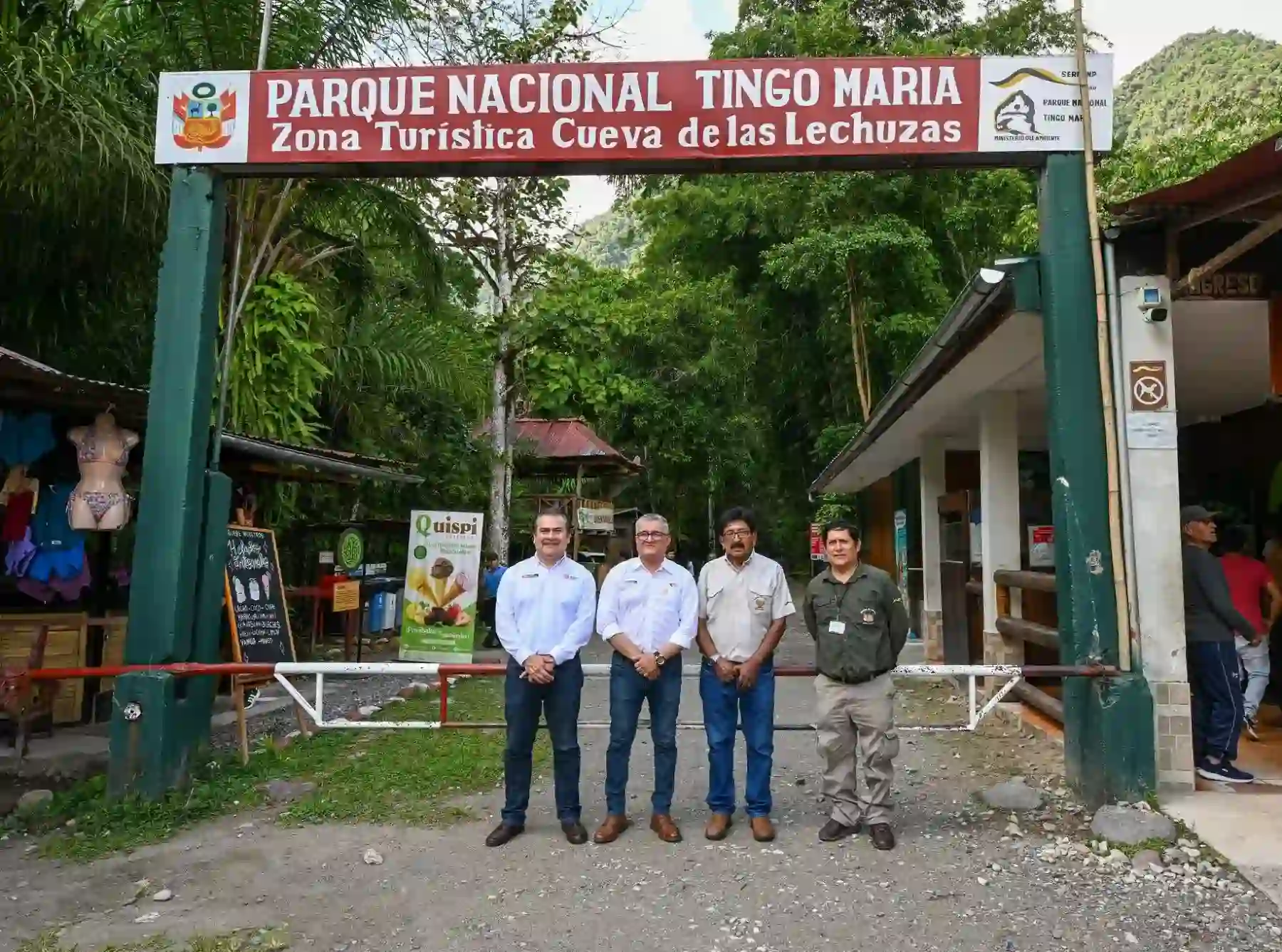
Tingo María National Park was nominated for Green Destinations 2026
In 2025, Tingo María National Park earned a coveted spot in the prestigious Top 100 Green Destinations list, closing the year with a visitor record, excellent conservation status, and international recognition that highlights responsible tourism, living nature, and regional pride. Currently, Tingo María National Park competes in the People’s Choice Award 2026, an opportunity that drives local development, employment, and sustainability while inviting the public worldwide to vote, support Peru, and celebrate its protected natural areas. A special ceremony was held on January 30, 2026, at the iconic Cave of the Owls to celebrate this remarkable achievement, bringing together park officials, local communities, and conservation advocates.
Record-breaking tourism growth
The recognition has translated into remarkable visitor growth for Tingo María National Park. The park closed 2025 with an impressive 189,809 visitors, a 16% increase from the 163,192 visitors in 2024. This surge proves that conservation and tourism can work hand-in-hand, generating substantial economic benefits through transportation, hospitality, dining, handicrafts, and agricultural sales while maintaining an exceptional 95% conservation status. As interest in Amazonian destinations continues to rise, travelers exploring options like iquitos tours are increasingly adding Tingo María to their Peru itineraries, strengthening the country’s position as a leading ecotourism hub. Tingo María National Park stands as living proof that sustainable tourism isn’t just possible, it’s profitable and transformative for both nature and local communities.
Plan your visit to Tingo Maria National Park
Tingo María National Park is a standout destination in Peru’s central jungle, known for its rich biodiversity, dramatic landscapes and easy access from the city. Caves, waterfalls, rivers and cloud forest trails come together to create a setting that feels both wild and welcoming.
Whether you’re into birdwatching, hiking, photography or simply spending time in nature, this protected area offers an authentic, less-crowded experience and a deeper connection with the natural beauty of the region.

