
Peru is home to some of the most spectacular natural landscapes in South America and the 12 Famous waterfalls in Peru showcase the country’s extraordinary biodiversity, dramatic geography, and hidden jungle gems. From towering cascades deep in the Amazon rainforest to high-altitude falls framed by Andean peaks, these waterfalls offer unforgettable experiences for travelers seeking adventure, photography, and authentic nature encounters. Whether you’re planning a trekking route or adding unique destinations to your itinerary, discovering these waterfalls reveals another powerful side of Peru beyond its archaeological wonders.
You might be interested: Festivals in Cusco month by month

Why visit waterfalls in Peru?
Peru boasts over a thousand recorded waterfalls along the Andes Mountains and the Amazon rainforest, many located in areas of high biodiversity. Some, like Gocta Falls (over 770 meters high) and Yumbilla Falls (over 890 meters), are among the tallest in the world. These waterfalls impress not only with their size but also with the unique ecosystems that surround them, home to endemic species of flora and fauna.
Biodiversity and ecosystems
Many Peruvian waterfalls are located in transition zones between the Andes and the Amazon, considered global biodiversity hotspots. In regions like San Martín and Amazonas, cloud forests are home to wild orchids, birds such as the Andean cock-of-the-rock, and a vast array of insects and amphibians.
The waterfalls create humid microclimates that foster the growth of giant ferns, mosses, and medicinal plants used by local communities. Furthermore, several of these areas are part of regional conservation zones, promoting sustainable ecotourism.
Adventure and trekking opportunities
Visiting waterfalls in Peru often involves hiking along natural trails, crossing rivers, and trekking through tropical forests. For example, reaching Gocta Waterfall requires a hike of approximately 2 to 3 hours, while others, such as those in the central jungle, can be combined with longer exploration routes.
Many routes are less crowded, allowing for more authentic experiences and direct contact with nature. During the rainy season (November to April), the water flow increases and the falls become more impressive, although access can be more challenging.
Cultural and local significance
Several waterfalls are linked to ancestral legends and oral traditions. In the case of Gocta, for example, local people spoke of a protective mermaid before the waterfall became internationally known in 2006.
Today, many communities manage tourist access, generating income through local guides, rural accommodations, and the sale of handicrafts. This makes the waterfalls not only natural attractions but also drivers of sustainable development for rural regions of the country.
You might be interested: 15 Traditional food in Peru
12 Famous waterfalls in Peru
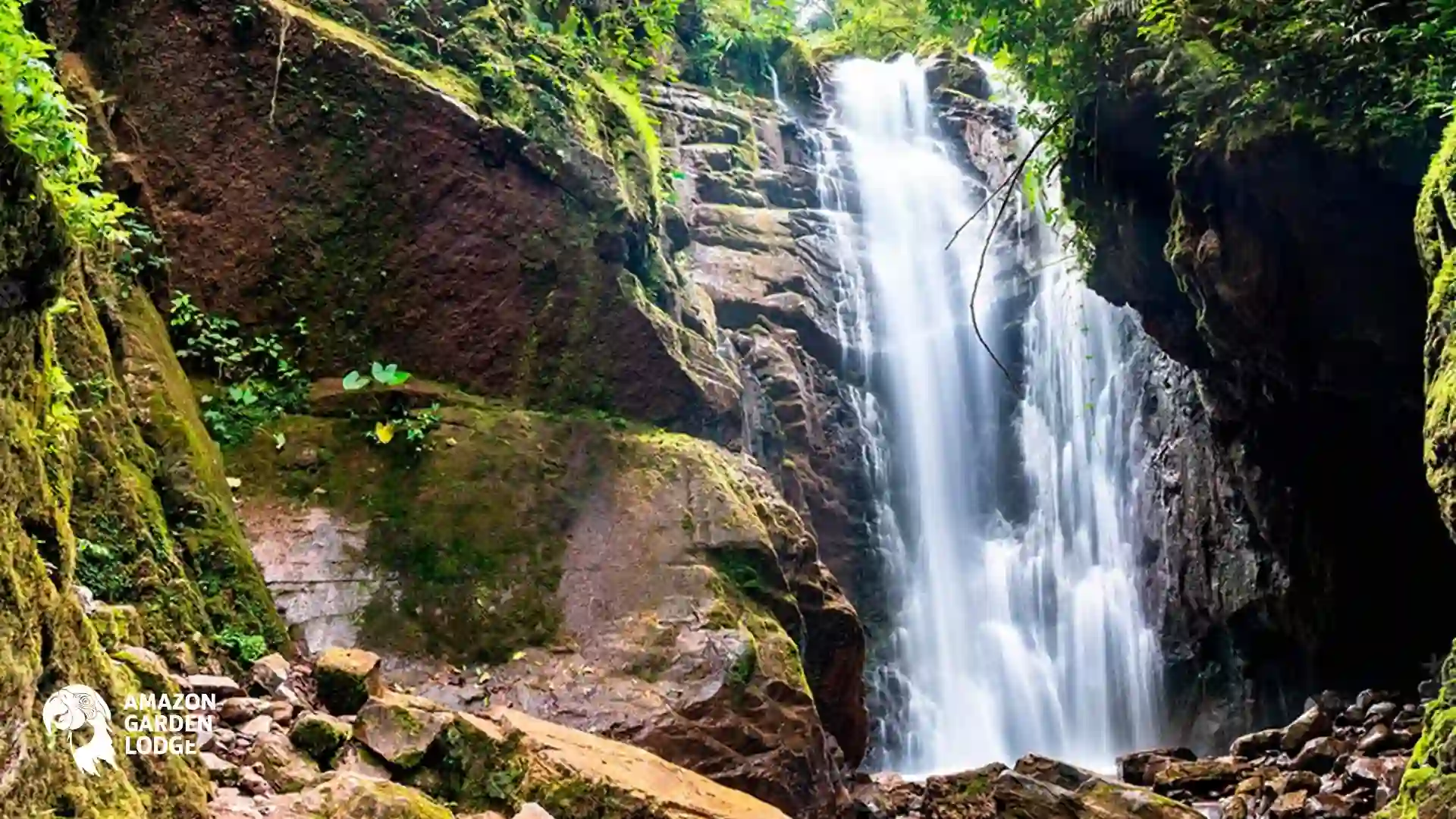
The 12 Famous waterfalls in Peru highlight a side of the country that many travelers do not always expect. Beyond ancient ruins and mountain peaks, Peru is home to towering jungle cascades, hidden cloud forest giants, and high-altitude falls shaped by volcanic landscapes. Some rank among the tallest waterfalls in the world, while others stand out for their scenery, easy access, or cultural importance.
1. Gocta Waterfall
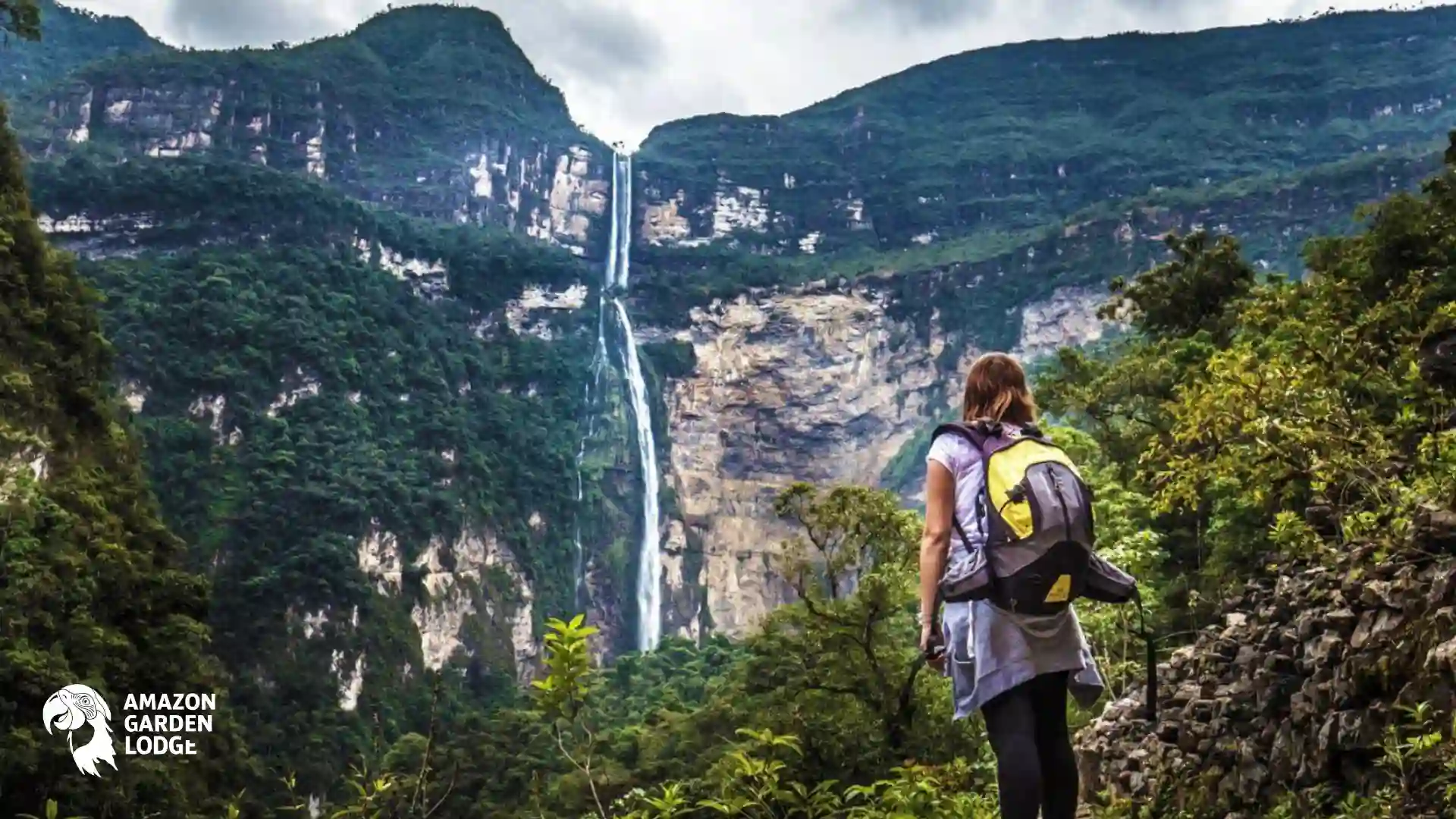
Gocta Waterfall is one of Peru’s most iconic waterfalls, located in the Amazonas region near the town of Cocachimba, about 20 km from Chachapoyas. With a total height of approximately 771 meters (2,530 feet) divided into two main drops, it ranks among the tallest waterfalls in the world. For many years, it remained largely unknown outside the local communities, partly due to legends about a protective spirit said to guard the falls. Today, it’s a popular trekking destination, with a 2–3 hour hike through cloud forest filled with orchids, birds, and lush vegetation.
Location: Bongará Province, Amazonas region
Entrance fee: Around S/ 10 per person (managed by the local community)
You might be interested: 40 Animals in the peruvian amazon

2. Yumbilla Waterfall
Yumbilla Waterfall is another giant located near the village of Cuispes in the Amazonas region. It reaches an impressive 895 meters (2,936 feet) in height, placing it among the tallest waterfalls on the planet. The walk to the main viewpoint takes about 1 to 1.5 hours through dense montane forest. The area is part of the so-called “Route of the Waterfalls,” which also includes Chinata and Pabellón falls. The setting is quiet and far less crowded than Peru’s more famous landmarks.
Location: Cuispes, Amazonas region
Entrance fee: Around S/ 10 (community-managed access)
You might be interested: New year traditions in Peru
3. Ahuashiyacu Waterfall
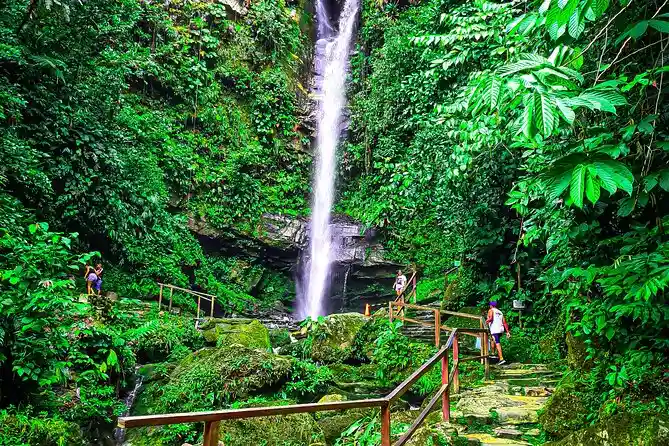
Ahuashiyacu Waterfall sits just 14 km from Tarapoto in the San Martín region, making it one of the most accessible waterfalls in Peru. Its main drop measures about 40 meters (131 feet) and flows into a natural pool where visitors can swim. The name comes from Quechua and is often translated as “laughing water.” A short 10–15 minute walk from the entrance leads to the falls, making it ideal for travelers who want nature without a long hike.
Location: Near Tarapoto, San Martín region
Entrance fee: Approximately S/ 10–15 per person
4. Tingo Waterfall
Tingo Waterfall is located in the Amazonas region near the town of Tingo, which serves as a gateway to the archaeological site of Kuélap. Although less famous internationally than Gocta or Yumbilla, this waterfall offers a peaceful setting surrounded by lush vegetation typical of Peru’s cloud forest. The cascade measures roughly 20–30 meters (65–98 ft) in height and can be reached via a short walk from the town. It is often visited as a complementary stop when traveling through the Chachapoyas area.
Location: Tingo district, Luya Province, Amazonas region
Entrance fee: Usually free or a small local contribution (varies)
You might be interested: All about the Peruvian Amazon tribes

5. Bayoz Waterfall
Bayoz Waterfall is located in the Perené district of Chanchamayo, in Peru’s Junín region. This multi-tiered waterfall reaches approximately 60 meters (197 ft) in total height and is known for its series of turquoise natural pools. The falls are surrounded by tropical rainforest and are part of a circuit that includes Velo de la Novia and other nearby cascades. The access is relatively easy, making it a popular weekend destination for visitors coming from Lima and the central highlands.
Location: Perené, Chanchamayo Province, Junín region
Entrance fee: Around S/ 10 per person
6. Velo de la Novia Waterfall
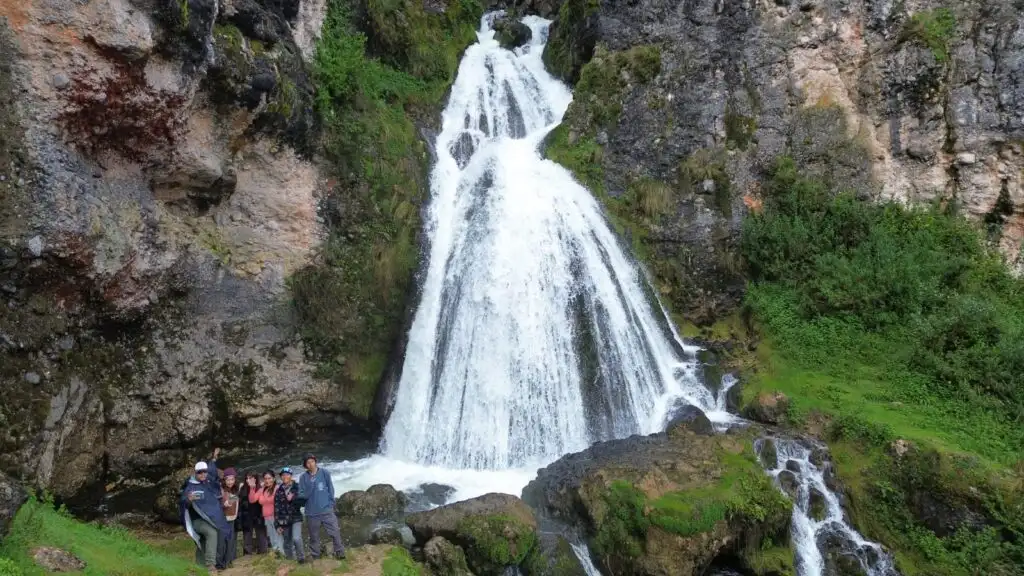
Velo de la Novia Waterfall, meaning “Bride’s Veil,” is located near the town of Aguaytía in the Ucayali region, along the Federico Basadre Highway. The waterfall stands approximately 55 meters (180 ft) tall, with a narrow, curtain-like flow that gives it its name. It is one of the most accessible waterfalls in Peru’s high jungle, as visitors can reach a viewpoint after a short walk from the road. The area is surrounded by dense tropical vegetation and is often included in road trips through the central Amazon region.
Location: Near Aguaytía, Padre Abad Province, Ucayali region
Entrance fee: Around S/ 5–10 per person

7. Pucayaquillo Waterfall
Pucayaquillo Waterfall is located about 28 km from Tarapoto in the district of Shapaja, San Martín region. This jungle waterfall drops roughly 20 to 30 meters (65–98 ft) into a clear natural pool surrounded by tropical vegetation. Getting there requires a moderate hike of around 40–50 minutes along forest trails that can become muddy during the rainy season. Compared to Ahuashiyacu, Pucayaquillo tends to receive fewer visitors, making it a quieter option for those spending time in northern Peru’s high jungle.
Location: Shapaja district, San Martín region
Entrance fee: Around S/ 10 per person
8. Carpishuyacu Waterfall
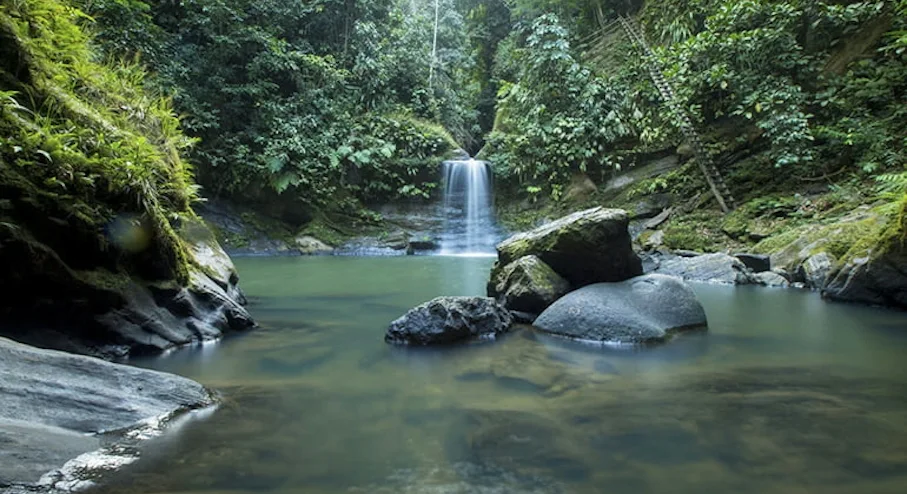
Carpishuyacu Waterfall is situated within the Cordillera Escalera Regional Conservation Area, about 40 minutes by road from Tarapoto in the San Martín region. The waterfall measures approximately 30 meters (98 ft) and flows into a natural pool known for its mineral-rich waters, which locals often describe as refreshing and restorative. The hike to the falls takes around 1 to 1.5 hours through humid forest terrain. The area is part of a protected ecosystem that shelters diverse plant species and wildlife typical of the Andean-Amazon transition zone.
Location: Cordillera Escalera, San Martín region
Entrance fee: Approximately S/ 10–15 per person
9. Chinata Waterfall
Chinata Waterfall is located near the town of Cuispes in the Amazonas region and is part of the same waterfall circuit as Yumbilla. With a height of approximately 580 meters (1,903 ft), it ranks among the tallest waterfalls in Peru. The cascade descends in multiple sections along a steep, forested cliff. Access involves a hike of around 1.5 hours through dense cloud forest. Because it is less publicized than Gocta, Chinata remains relatively uncrowded, offering expansive views of the surrounding valley.
Location: Cuispes, Amazonas region
Entrance fee: Around S/ 10 per person

10. Paccha Waterfall
Paccha Waterfall is located in the Ancash region, within Peru’s northern Andes. Unlike the towering jungle waterfalls of Amazonas, Paccha is known for its scenic highland setting and multi-tiered rock formations. The waterfall drops approximately 30–40 meters (98–131 ft) and is surrounded by agricultural landscapes and traditional Andean villages. Its accessibility and open terrain make it a popular stop for regional tourism and photography.
Location: Ancash region
Entrance fee: Usually free or minimal local contribution

11. Velo de Angel Waterfall
Velo de Angel Waterfall is located in the Amazonas region and is recognized as one of the tallest waterfalls in Peru, with an estimated height of around 580 meters (1,903 ft). The waterfall descends in a long, narrow stream that resembles a thin white ribbon against the dark rock face. Due to its remote location and steep terrain, it is less frequently visited than Gocta or Yumbilla, and access generally requires a guided hike through forested areas. Its isolation adds to its dramatic appearance and natural setting.
Location: Amazonas region
Entrance fee: Varies; typically community-managed access
12. Catarata de Pillones
Catarata de Pillones is located in the Arequipa region at an altitude of over 4,000 meters (13,123 ft) above sea level. Unlike jungle waterfalls, Pillones flows through volcanic rock formations shaped by erosion, creating a rugged Andean landscape. The waterfall is not extremely tall, around 10–15 meters (33–49 ft), but its setting and rock formations make it visually striking. Due to its high elevation, visitors should take precautions related to altitude. Access is generally straightforward by vehicle from Arequipa, followed by a short walk.
Location: Caylloma Province, Arequipa region
Entrance fee: Around S/ 5–10 per person (local control)
You might be interested: Summer in Peru: 5 top destinations to visit
Best time to visit waterfalls in Peru
Dry vs. rainy season
Peru has two main seasons that directly affect waterfalls: the rainy season (roughly November to April) and the dry season (May to October).
During the rainy months, waterfalls are at their most powerful. The increased rainfall, especially in the Amazon and cloud forest regions like Amazonas and San Martín, makes cascades fuller and more dramatic. However, trails can become muddy and slippery, river crossings may be more challenging, and occasional landslides can affect access roads.
In the dry season, water flow decreases slightly, but trails are more stable and hiking conditions are generally safer. This is often considered the most comfortable time for trekking, particularly in highland regions such as Arequipa or Áncash, where rainfall is lower and skies are clearer.
Safety considerations
Waterfall visits in Peru usually involve hiking through natural terrain, so proper footwear with good grip is essential. Trails in jungle regions can be steep and humid year-round, while high-altitude waterfalls like Pillones require extra attention due to elevation (over 4,000 meters above sea level).
Swimming in natural pools is common, but visitors should always assess water depth and current strength before entering. During heavy rains, currents can become stronger than expected. Hiring local guides is recommended in remote areas, especially in Amazonas, where some routes pass through dense forest and limited signage.
Accessibility by region
Accessibility varies depending on the region. In San Martín, waterfalls like those near Tarapoto are relatively easy to reach, often requiring short hikes from established entrances. In Amazonas, waterfalls such as Gocta and Yumbilla involve longer treks of 2–3 hours through cloud forest.
In the central jungle (Junín and Ucayali), several waterfalls are located near highways, making them convenient stops during road trips. Meanwhile, highland waterfalls in regions like Arequipa and Áncash are accessible by vehicle but may require short walks at high altitude.

Travel tips for exploring waterfalls in Peru
Visiting waterfalls in Peru often means stepping off the main tourist route and into natural terrain. Conditions vary depending on the region, from humid jungle trails to high-altitude Andean landscapes, so preparation makes a big difference.
What to pack
Footwear is the most important item. Wear hiking shoes or trail runners with strong grip, as many paths become slippery due to mud, moss, or constant humidity. Sandals are not recommended for the hike itself.
Lightweight, breathable clothing works best in jungle regions like San Martín or Amazonas, where humidity is high year-round. A rain jacket or poncho is essential, even in the dry season, since weather can change quickly.
Other useful items include:
- Insect repellent, especially in the Amazon and cloud forest areas
- Sunscreen and a hat for exposed highland regions
- A reusable water bottle
- A small towel and swimwear if you plan to enter natural pools
- Cash in small bills for entrance fees or local contributions
Entrance fees and local guides
Most waterfalls in Peru charge a modest entrance fee, typically ranging between S/ 5 and S/ 20 per person. In many cases, the fee is managed by local communities and supports trail maintenance and small tourism initiatives.
For well-marked waterfalls near cities, such as those close to Tarapoto, hiring a guide is optional. However, for longer treks in regions like Amazonas, a local guide can be helpful for navigation, safety, and learning about the surrounding ecosystem. In more remote areas, guided access may even be required.
Responsible tourism practices
Waterfalls are often located within fragile ecosystems, including cloud forests and conservation areas. Staying on marked trails helps prevent erosion and protects plant life.
Avoid leaving trash behind, including organic waste. Many sites do not have formal waste management systems, so what you carry in should be carried out.
Swimming should only be done where permitted, and visitors should avoid using soaps or chemicals in natural pools. Respect local communities by following posted rules and asking permission before flying drones or entering restricted zones.

