
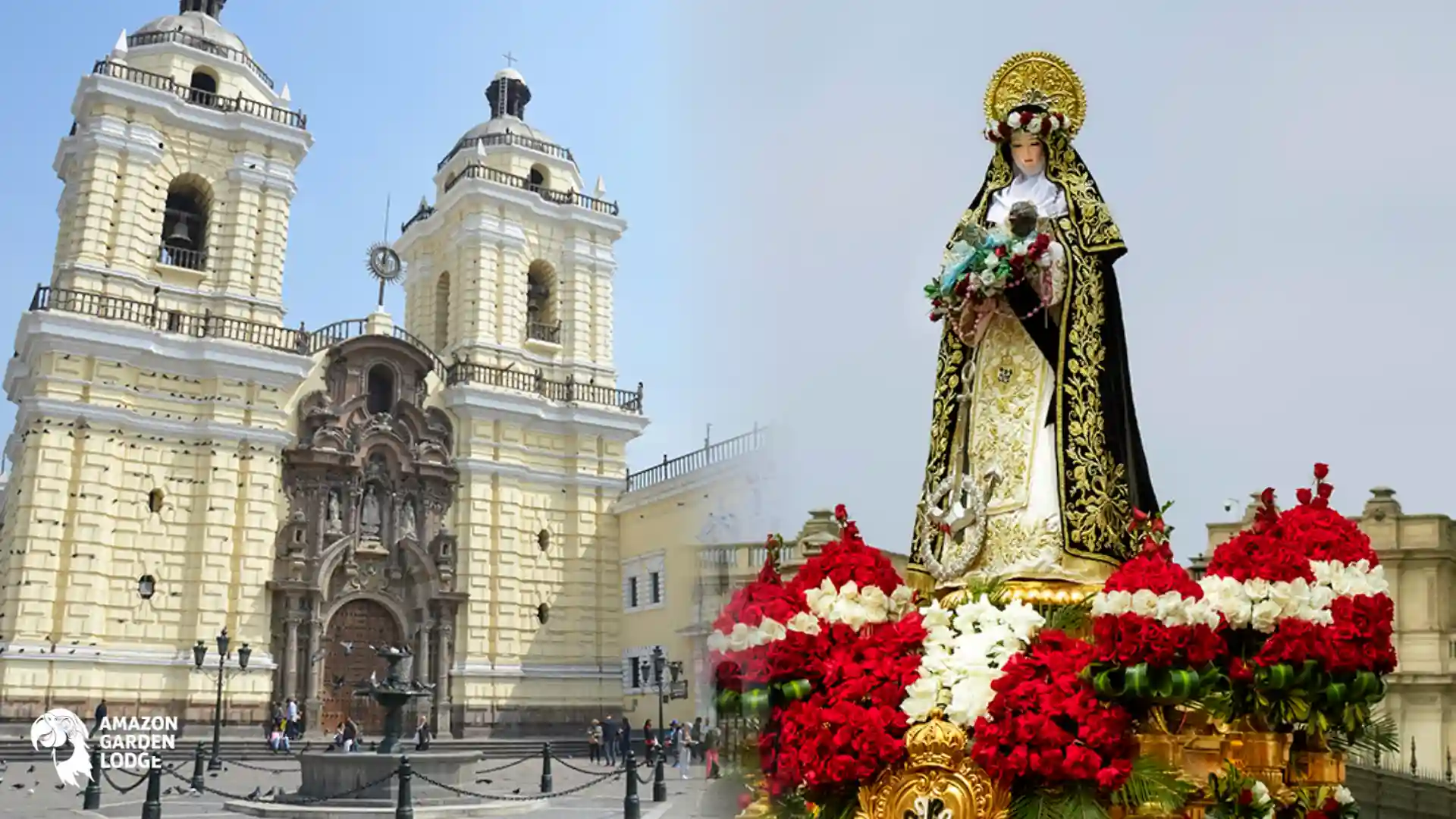
Saint Rose of Lima Feast Day, celebrated every year on August 30, is one of Peru’s most important religious traditions. The date honors Isabel Flores de Oliva, better known as Saint Rose of Lima, who was born in the capital in 1586 and became the first person born in the Americas to be canonized by the Catholic Church.
In Lima, the celebration brings together Masses, processions and thousands of devotees who visit her sanctuary, leave letters in the famous Wishing Well and pray for her intercession. More than a public holiday, the feast offers travelers a close look at Peru’s faith, history and customs that have been preserved for generations.
When is Saint Rose of Lima feast day celebrated?
In Peru, Saint Rose of Lima Feast Day is celebrated every year on August 30. In 2026, the date falls on a Sunday and remains an official national holiday. Churches hold special Masses, while many devotees visit the Sanctuary of Saint Rose in Lima to pray, leave written petitions and take part in religious activities.
Outside Peru, the Catholic Church generally observes Saint Rose of Lima on August 23. Her celebration was originally fixed for August 30, but changes to the Roman liturgical calendar moved the universal observance closer to August 24, 1617, the date of her death. Peru and several other countries retained August 30 because of its deeply rooted religious tradition.
You might be interested: Traditional costumes of Peru
Who was Saint Rose of Lima?
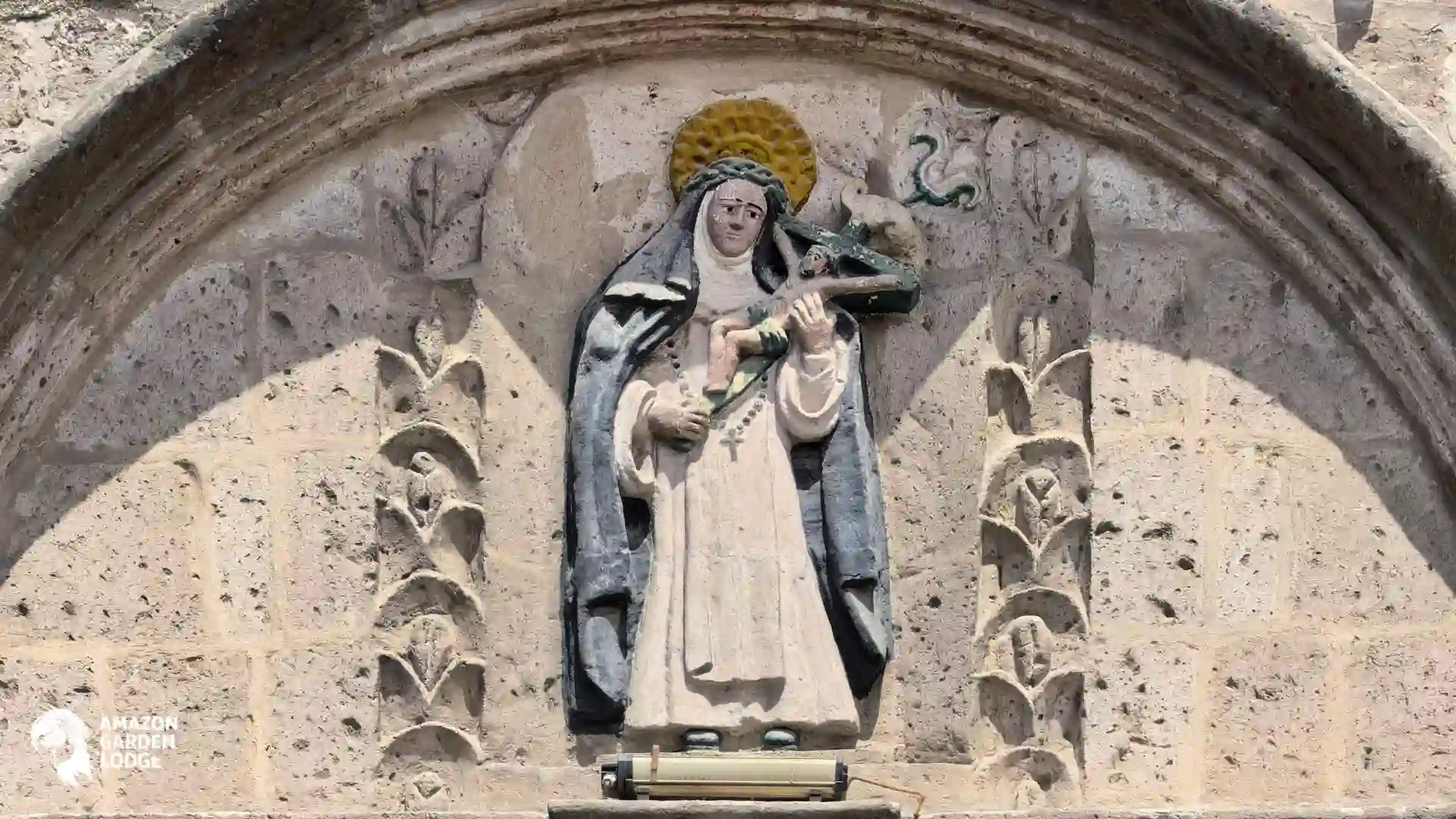
To understand Saint Rose of Lima, it helps to picture Lima at the beginning of the 17th century. The city was still a relatively young colonial capital, shaped by Spanish rule, Catholic institutions and sharp social divisions. Into that world, Isabel Flores de Oliva was born on April 20, 1586. She would later become known as Rosa de Santa María and, eventually, Saint Rose of Lima.
Her childhood and religious vocation
From an early age, Rose showed a strong interest in prayer. As she grew older, she rejected the marriage her family had planned for her and chose to dedicate her life to God. At about 20, she became a Dominican tertiary, which allowed her to follow Dominican spirituality without entering a convent.
Rose earned money by growing flowers and doing embroidery. She also cared for sick and disadvantaged people in her home. Although historical accounts describe severe fasting and physical penance, these practices should be understood within the religious culture of the 17th century.
Why she became the first saint of the Americas
Rose died on August 24, 1617, at the age of 31. Her reputation for holiness continued to grow after her death, and testimonies about her charity and religious life were sent to Rome.
She was canonized by Pope Clement X on April 12, 1671, becoming the first person born in the Americas to be formally declared a saint by the Catholic Church. Her canonization was especially significant because it showed that someone born in the New World could receive the Church’s highest religious recognition.
You might be interested: Q’eswachaka Bridge
How is Saint Rose of Lima feast day celebrated?
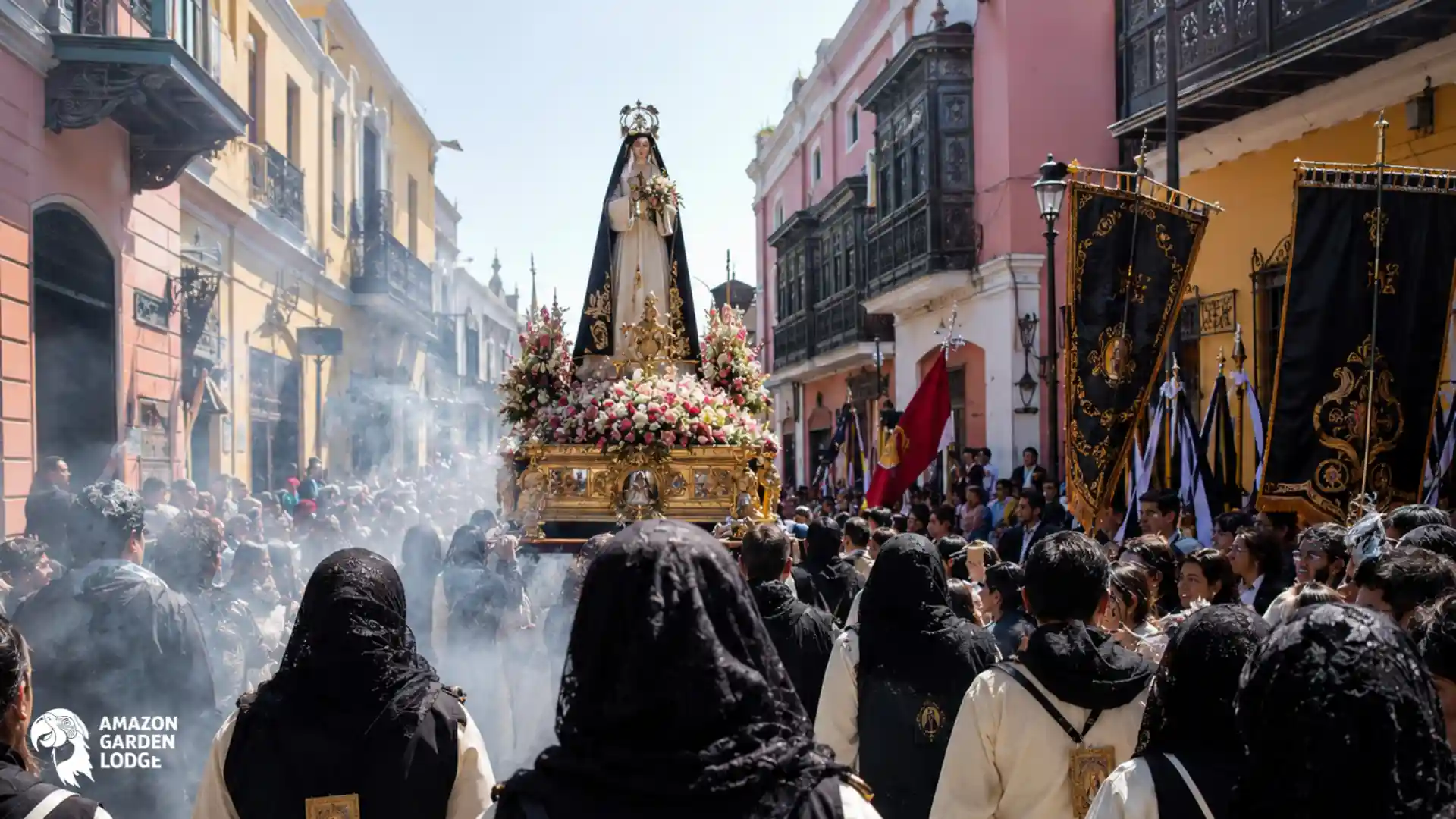
Saint Rose of Lima Feast Day is celebrated across Peru on August 30, but the largest gathering takes place in Lima’s historic center. The day combines Catholic worship with traditions that have become part of the city’s identity. Thousands of devotees attend Mass, accompany the image of Saint Rose through the streets and visit the sanctuary where she lived. Many arrive with handwritten letters asking for help, giving thanks or praying for their families.
Masses and religious ceremonies
Churches throughout Peru hold special services in her honor. In Lima, the principal solemn Mass is traditionally celebrated at the Cathedral of Lima with representatives of Dominican communities, the Peruvian National Police and nursing organizations, since Saint Rose is recognized as their patron. The Sanctuary of Saint Rose also holds several Masses during the day, sometimes as often as once an hour because of the number of visitors.
The procession through Lima
After the main service, the image of Saint Rose is carried through the streets of Lima’s historic center. Recent official programs have included a route beginning at the Cathedral, passing the Sanctuary of Saint Rose and ending at the Basilica of Our Lady of the Rosary in the Santo Domingo Convent, where her remains are kept. The procession may last several hours and is accompanied by religious brotherhoods, police officers, nurses and local families. Exact routes and times can change each year.
Offerings and prayers at the Sanctuary of Saint Rose
The Sanctuary of Saint Rose is located on the first block of Avenida Tacna, near Jirón Conde de Superunda. Visitors can see the garden, the small hermitage where she prayed and the well associated with one of Lima’s best-known religious traditions. During August, people come to pray, leave flowers and deposit letters containing personal requests or messages of gratitude.
You might be interested: Amazonian food
The wishing well tradition in Lima
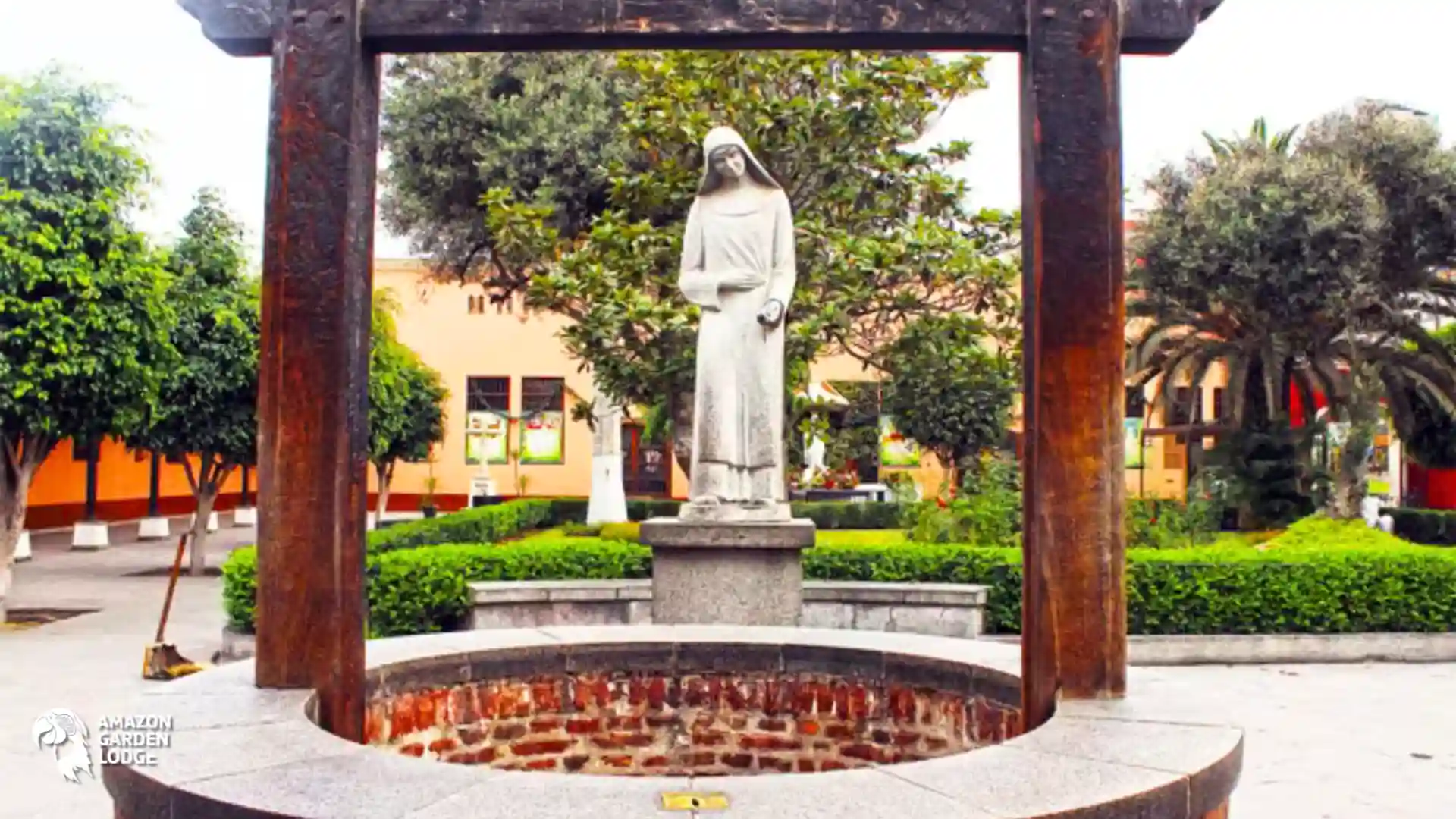
The Wishing Well is one of the most meaningful traditions connected with Saint Rose of Lima. Located inside her sanctuary in Lima, the well is about 19 meters deep and was originally used to provide water for the Flores de Oliva family. According to the best-known story, Rose threw into it the key to a padlocked chain she wore as an act of penance. Another historical version says that she broke the lock with a stone when the person holding the key was unavailable. Over time, the well became a symbol of faith, hope and trust in her intercession.
How visitors leave letters and petitions
Every August 30, visitors write letters containing prayers, personal requests and messages of gratitude, then place them inside the well. There is no required format; people commonly write about health, family, work, studies or difficult personal situations.
Those unable to travel to Lima may also be offered remote alternatives. In 2025, organizers received petitions through WhatsApp at 934 720 733 and by email at santarosa.correo@gmail.com. The messages were printed and deposited in the well on behalf of the senders. Because these channels are organized for each celebration, travelers should confirm whether they remain active before using them in future years.
Where are the main celebrations held?
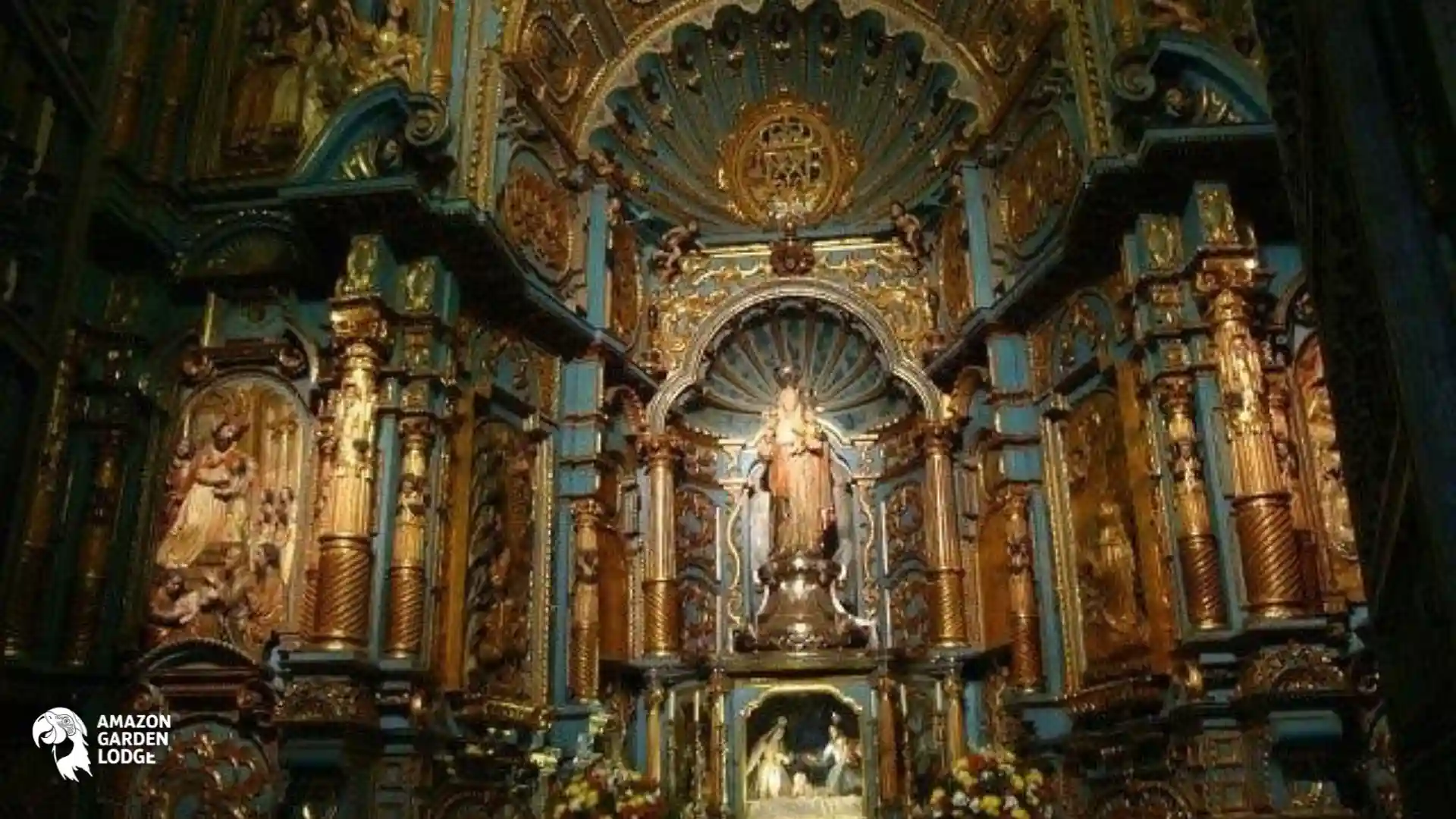
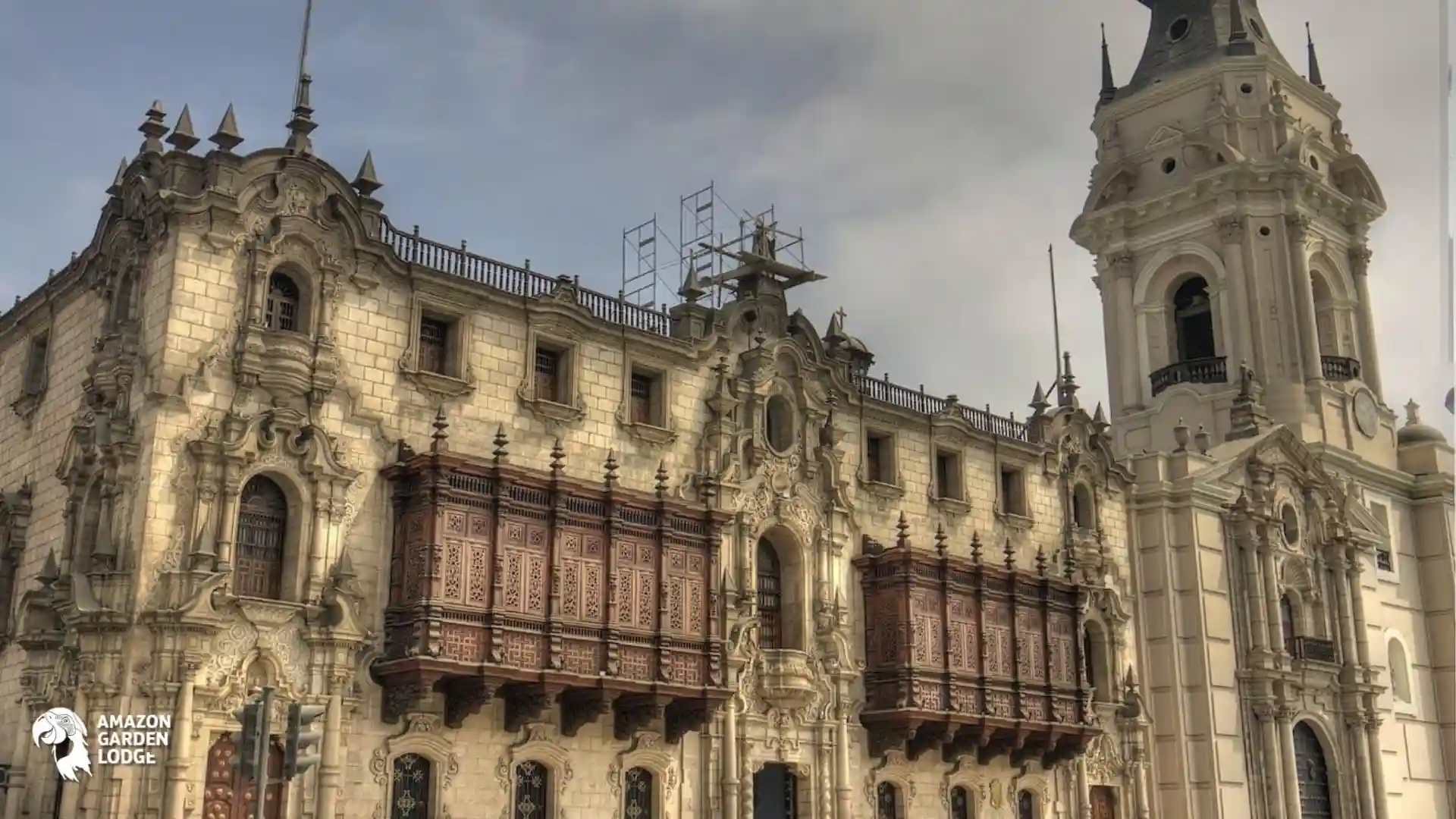
The largest Saint Rose of Lima Feast Day celebrations take place in Lima’s Historic Center. The main religious circuit connects the Sanctuary of Saint Rose of Lima, the Cathedral of Lima and the Convent of Santo Domingo. It includes special Masses, visits to the Wishing Well and a long procession through the surrounding streets. In 2025, the image was transferred from Santo Domingo to the Cathedral on August 29, then carried from the Cathedral to the sanctuary and back to Santo Domingo on August 30. The route and schedule may change each year, so travelers should confirm the official program shortly before attending.
Sanctuary of Saint Rose of Lima
The Sanctuary of Saint Rose of Lima stands at 100 Avenida Tacna, on the property where Isabel Flores de Oliva was born in 1586 and where her family home once stood. This is usually the busiest place during the celebration because visitors come to see the garden, her small hermitage and the famous Wishing Well, where they leave handwritten prayers and petitions. Regular admission to the sanctuary is free, although special hours and entry routes are introduced around August 30.
Large crowds should be expected. For the 2025 celebration, the Municipality of Lima prepared security and access arrangements for more than 90,000 devotees, including separate circuits for the well, hermitage and other areas of the sanctuary. This gives travelers a good idea of how crowded the site can become on the feast day.
Convent of Santo Domingo
The Convent of Santo Domingo is another central location because the remains of Saint Rose are kept there alongside those of San Martín de Porres and San Juan Macías. The convent was founded in 1535 and is traditionally the starting or final point of the main procession through central Lima.
Visitors can attend religious services in the church, while the convent’s museum follows a separate schedule and charges admission. The current tourism listing gives a general museum ticket price of S/15, with reduced rates for students, older adults and children.
Celebrations in other regions of Peru
The feast is not limited to the capital. One of the best-known pilgrimage destinations is Santa Rosa de Quives, in the province of Canta, where Rose spent part of her youth. Visitors go to the local sanctuary and hermitage, while religious activities commonly include Masses and a procession.
In the Kechwa community of Wayku, near Lamas in the San Martín region, the celebration is known as Santa Rosa Raymi. The saint’s image is dressed in traditional local clothing and carried through the community with musicians, dancers and comparsas. The program may also include Amazonian crafts, regional food and Indigenous dance exhibitions.
Oxapampa, in the Pasco region, also celebrates Saint Rose as its patron saint on August 30. The date coincides with the anniversary of the city, originally founded as Santa Rosa de Oxapampa in 1891, so religious observances are accompanied by cultural and civic activities reflecting the area’s Peruvian, Austrian, German and Indigenous heritage.
Tips for attending Saint Rose of Lima Feast Day
- Arrive early, especially when visiting the Wishing Well. Lines grow throughout the morning and may extend outside the sanctuary.
- Check the official program first. Mass times, procession routes, street closures and entry points are announced close to the celebration.
- Use public transportation and be ready to walk. Streets around Avenida Tacna, Conde de Superunda, Plaza Mayor and Santo Domingo may close progressively as the procession advances.
- Prepare your letter beforehand. Admission to the Sanctuary of Saint Rose is free, and no payment is required to place a paper petition in the well.
- Wear comfortable shoes and keep valuables secure. The procession can last several hours, and the Historic Center becomes extremely crowded. Respect ongoing prayers and Masses, and ask before photographing individual devotees.
Frequently asked questions about Saint Rose of Lima feast day
These frequently asked questions about Saint Rose of Lima Feast Day cover the celebration date, procession route, sanctuary visits, the Wishing Well tradition and practical advice for attending the festivities in Peru.
1. What date is Saint Rose of Lima Feast Day?
In Peru, Saint Rose of Lima Feast Day is celebrated every year on August 30. It is an official national holiday; in 2026, it falls on Sunday, August 30. Although the wider Catholic Church generally observes her feast on August 23, Peru keeps the traditional August 30 date.
2. Where does the main procession take place?
The main procession takes place through the Historic Center of Lima. It traditionally begins after Mass at the Cathedral of Lima and continues through central streets connected with the life of Saint Rose, ending at the Basilica of Our Lady of the Rosary in the Convent of Santo Domingo. The precise route and schedule may change each year, so travelers should review the official program before attending.
3. Can tourists visit the Sanctuary of Saint Rose?
Yes. The Sanctuary of Saint Rose of Lima is open to tourists and religious visitors, and admission is free. It is located at 100 Avenida Tacna in Lima’s Historic Center. Visitors can see the hermitage she built, the garden, the lemon tree associated with her life and the famous Wishing Well. Regular hours are Monday through Saturday from 9:30 a.m. to noon and 2:00 p.m. to 6:00 p.m., although special schedules and long lines should be expected during August and on the feast day.
4. Is Saint Rose of Lima Feast Day a public holiday?
Yes. August 30 is an official national holiday in Peru for both the public and private sectors. In 2026, it falls on Sunday, August 30. The official calendar currently does not list Monday, August 31 as an additional national holiday.
5. Where is Saint Rose of Lima’s Wishing Well located?
The Wishing Well is inside the Sanctuary of Saint Rose of Lima, at 100 Avenida Tacna, near the intersection with Jirón Conde de Superunda in Lima’s Historic Center. Admission to the sanctuary is free. Standard visiting hours are Monday through Saturday from 9:30 a.m. to noon and from 2:00 p.m. to 6:00 p.m., although special hours apply around August 30.
6. How do you make a wish to Saint Rose of Lima?
Visitors write a personal letter containing a prayer, request or message of gratitude and place it in the well. There is no required format or fee; the letter can mention health, family, work, studies or another personal concern. From a religious perspective, the custom is considered a request for Saint Rose’s intercession rather than simply making a magical wish.
People unable to travel to Lima have sometimes been able to submit petitions remotely. In 2025, messages were received through WhatsApp and email, printed by organizers and placed in the well on August 30. These channels may change each year, so travelers should verify the official arrangements for the current celebration.
7. What is the name of the well where people leave letters for Saint Rose of Lima?
It is popularly called the Pozo de los Deseos, translated as the Wishing Well. The well is approximately 19 meters deep and originally supplied water to the Flores de Oliva family. Over time, it became a symbol of faith and hope where devotees leave written petitions asking Saint Rose to intercede for them.

