
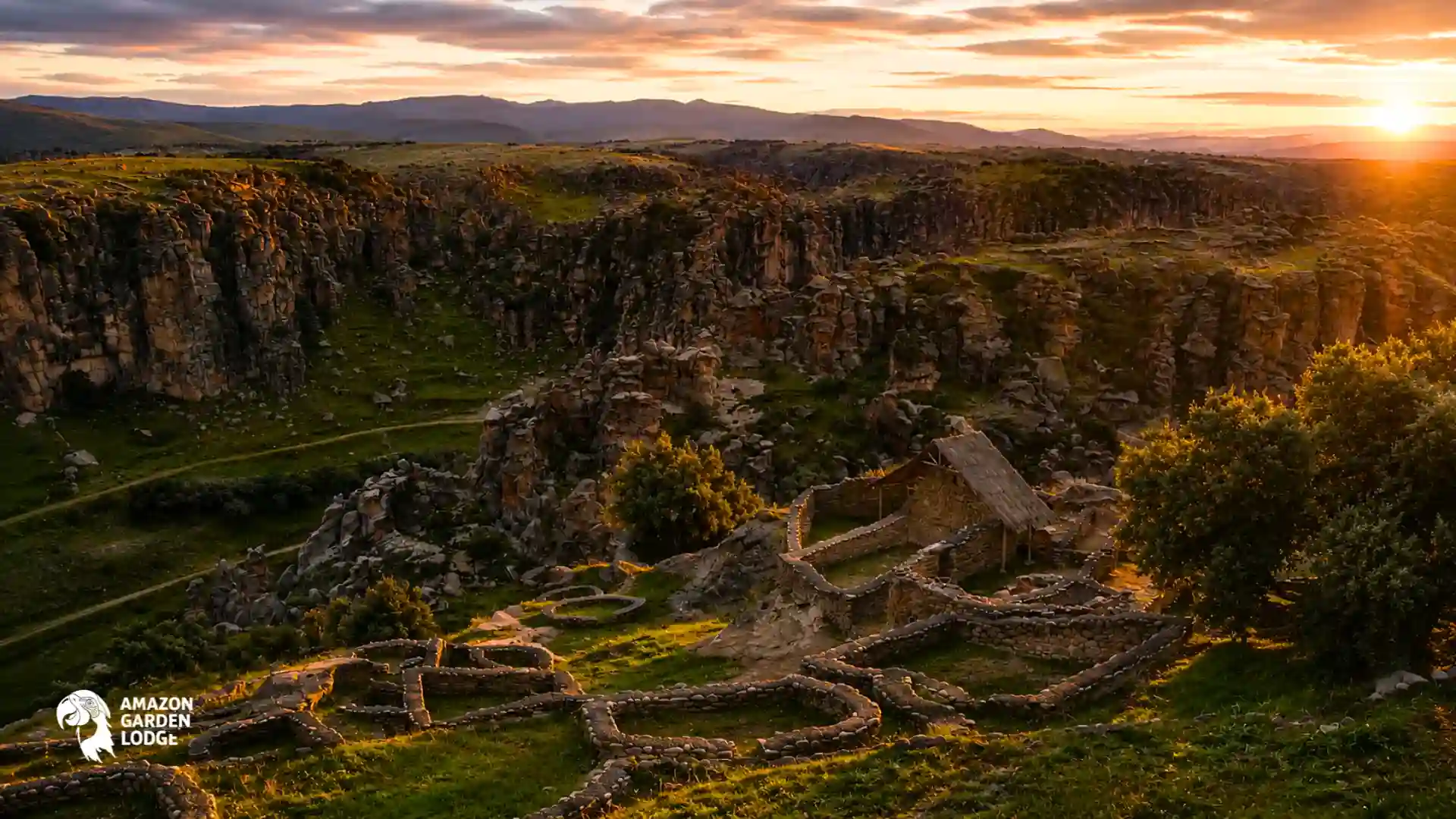
T’aqrachullo, also known as María Fortaleza, is one of the most stunning archaeological sites in Cusco. Perched atop a high cliff in the province of Espinar, this site offers panoramic views of deep canyons, rock formations, and Andean landscapes that blend natural majesty with the rich history of the Inca civilization. With over 600 structures, it surpasses Machu Picchu in size and preserves the remains of temples, walls, and terraces that allow us to imagine how its ancient inhabitants lived and organized themselves.
In this article, we have compiled all the essential information you need to plan your visit and make the most of your experience. Visiting this site is like stepping into a still largely unexplored place, where every corner reveals vestiges of the past and allows you to experience the harmony between Inca architecture and the natural environment. The trails, walls, and platforms blend seamlessly with a landscape that invites exploration and photography, making the visit a unique experience for tourists seeking culture, history, and adventure.
You might be interested: Qoyllur Rit’i festival in Peru

History and discovery of Taqrachullo
T’aqrachullo, whose name comes from Quechua and evokes a “rocky place with frozen water,” has a very ancient human presence in the southern Peruvian Andes. The site, located on a high plateau in the Cusco region, shows evidence of continuous occupation predating the Inca. Archaeological remains indicate the presence of cultures such as Pukara, Wari, and Qollao before the expansion of the Inca Empire, suggesting that this place was recognized and used by different Andean societies throughout the centuries for its geographical and ceremonial importance.
According to archaeological studies, it functioned not only as a settlement but also as a sanctuary and a territorial control hub connected to the extensive Inca road network (the Qhapaq Ñan), firmly integrating it into the dynamics of the empire. The size, architectural density, and quantity of recovered ceremonial objects suggest that elite members lived here and that significant ceremonial activities within the Inca world took place.
The site was declared a National Cultural Heritage site in 2010, but its international impact began much later, when systematic investigations by the Peruvian Ministry of Culture intensified starting in 2019. The major discovery came in September 2022, when archaeologists unearthed a cache of nearly 3,000 gold, silver, and copper sequins, ceremonial pieces used by the Inca elite, buried for more than five centuries. This discovery marked a turning point and confirmed the historical relevance of the site, transforming the perception of T’aqrachullo from a little-known site to one of the most important archaeological discoveries in the country in recent decades.
You might be interested: Traditional costumes of Peru

How to get to Taqrachullo
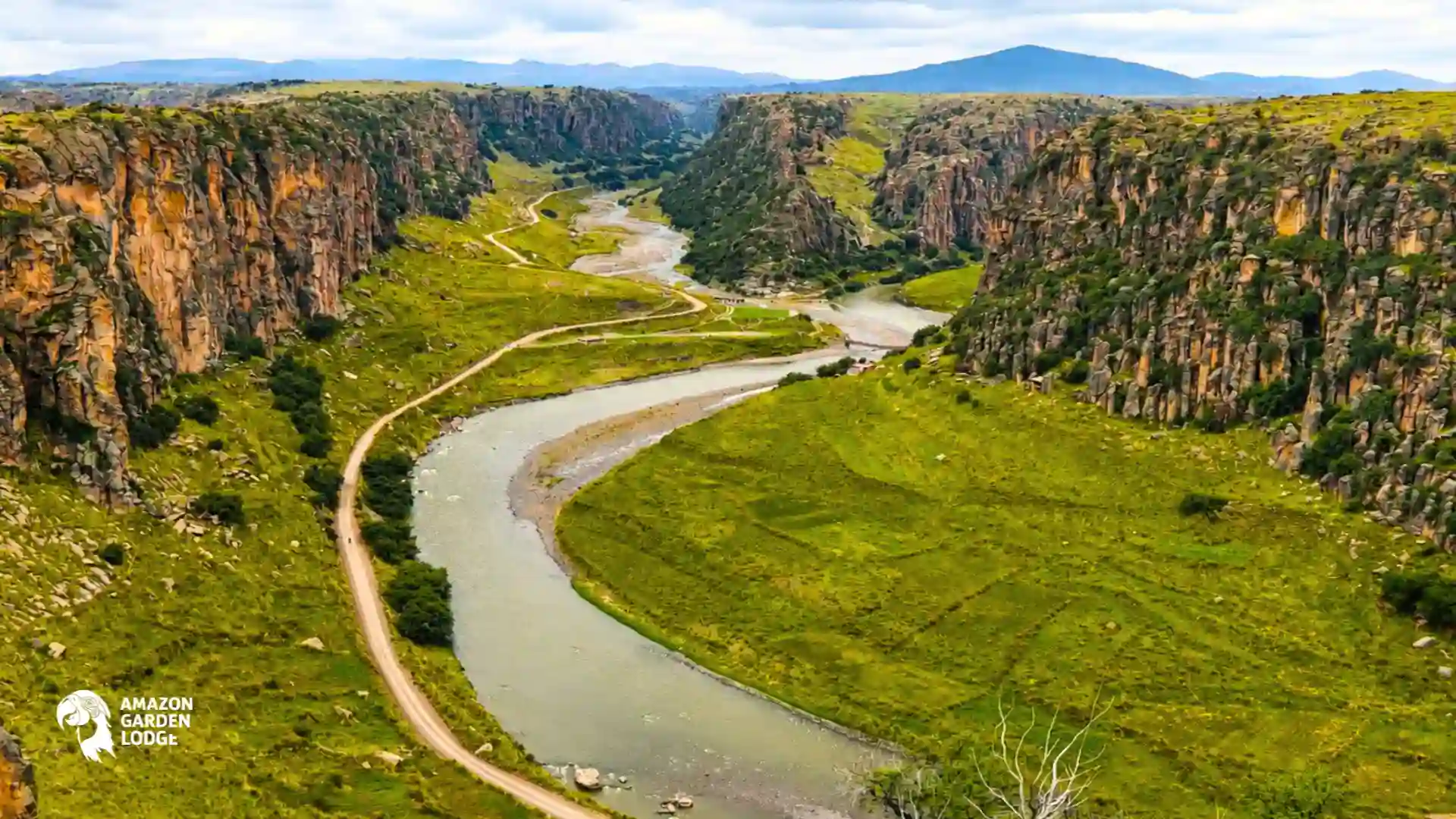
Taqrachullo is an impressive archaeological complex located in the southern highlands of Peru, within the Cusco region, in the province of Espinar. Perched on a high rocky plateau overlooking dramatic canyon landscapes, the site sits at a significant altitude typical of the Andes.
From Cusco
Many visitors begin their journey in Cusco, which has the closest major airport and serves as the main gateway to the southern Andes. From Cusco, you can arrange transport by private vehicle, taxi, or a combination of public buses and colectivos (shared vans) toward the province of Espinar. The drive typically takes several hours due to mountainous roads, so it is important to allow plenty of travel time and check road conditions, especially during the rainy season.
Private vehicle with driver / taxi: Approx. S/ 600–900 per trip (≈ $160–$240 USD)
Organized tour with guide: Approx. S/ 750–1,200 (≈ $200–$320 USD) per person including transport and guide
Public bus / colectivo: Approx. S/ 35–50 (≈ $9–$13 USD) per person to the nearest town, plus additional local mototaxi or combi for the final stretch: S/ 10–20 (≈ $3–$5 USD)
By Car or Tour Service
Hiring a private car or an organized tour can make the journey smoother, as these services often include a driver familiar with the highland roads and some tours provide a guide to enhance your experience with historical context. If you opt for your own vehicle, be sure it is well-maintained, all-terrain capable, and that you have a reliable map or GPS because signage can be limited in rural sections.
Local transport
For domestic tourists or travelers on a budget, public buses and colectivos operate between Cusco and nearby towns. Once you reach the closest major town to Taqrachullo, local transport (mototaxis, combis, or shared taxis) may be available for the final stretch. Be prepared for variable schedules and plan ahead. The total cost for budget travelers from Cusco, including the final local ride, is approximately S/ 45–70 (≈ $12–$18 USD) per person.
Is there an entrance fee?
Access to the T’aqrachullo archaeological complex currently has no entrance fee set by the Ministry of Culture and entry is free to the public. Although there is no entrance fee at this time, the site operates on a limited schedule, typically from 8:00 a.m. to 4:00 p.m., so arriving early is recommended.
- Since the area is in the early stages of tourism development, amenities such as restrooms, cafes, and signage are still basic or limited, so visitors should plan ahead and bring what they need (water, light snacks, warm clothing, sun protection).
- Many tourists hire a local guide to enhance their experience, as the site is quite large and its historical significance is not always clear without professional interpretation.
- The site is located at an altitude of over 4,000 meters, so acclimatizing beforehand in lower-altitude cities is recommended to avoid altitude sickness.
Archaeological facts about T’aqrachullo
By the June 2026 issue of National Geographic, the site was introduced to the public as a vast mountaintop citadel in the southern Andes, four times larger than Machu Picchu and connected to one of the most dramatic accounts of the Spanish conquest. Since then, it has captured international attention and continues to fascinate both researchers and travelers.
What does T’aqrachullo Mean?
The name is pure Quechua and describes the site almost perfectly. T’akra means rocky, infertile land, which accurately reflects the barren stone plateau swept by wind. Chullu refers to a spur of land ending where two rivers meet, literally translating to “the rocky land at the confluence of two rivers.” The Spanish, however, gave it a simpler name, calling it María Fortaleza, meaning Mary the Fortress.
A site that predates the Incas
One of the most remarkable aspects of Taqrachullo is that the Incas did not establish it on empty ground. Excavations have uncovered ceramics from the Wari culture, a pre-Inca Andean civilization active between roughly 600 and 1000 AD, indicating the site already held regional significance long before the Inca Empire.
What the excavations uncovered
Between 2019 and 2024, forty-one excavations and six exploratory trenches were conducted with impressive results. The most notable discovery was a collection of nearly 3,000 small ornamental pieces in gold, silver and copper dating to the early 16th century. These sequins were sewn onto ceremonial garments worn by members of the Inca elite during major religious festivals.
How big Is T’aqrachullo really?
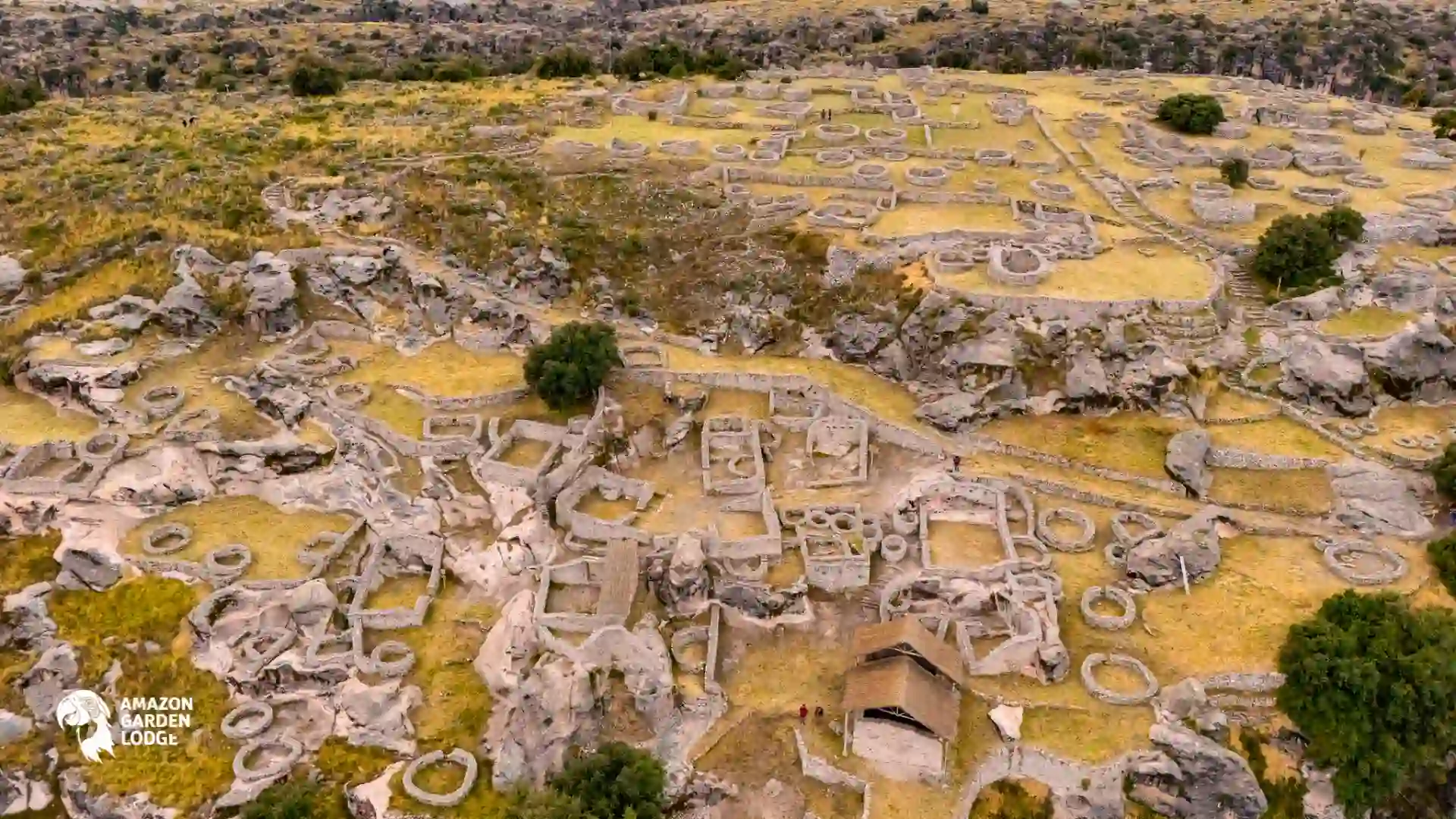
T’aqrachullo covers 17.4 hectares and comprises nearly 600 structures, including stone enclosures, tombs, ceremonial spaces, ancient residential areas and sanctuaries. To give perspective, the built area of Machu Picchu is approximately 10.6 hectares, making this site about four times larger.
You might be interested: Q’eswachaka Bridge
Tips for visiting Taqrachullo
Arrive early: The site is generally open from 8:00 a.m. to 4:00 p.m., so it’s recommended to start your visit in the morning to explore at your leisure and take advantage of the best light for photographs.
Acclimatize to the altitude: The citadel is located at over 4,000 meters above sea level, so it’s advisable to spend at least a day at a moderate altitude before ascending, stay hydrated, and avoid strenuous physical activity at the beginning.
Appropriate clothing and footwear: Wear layers of clothing to adapt to temperature changes and comfortable, non-slip shoes, ideal for walking on stone paths and uneven terrain.
Bring water and snacks: Although the visit can last a few hours, the site does not offer food services, so it’s recommended to bring water and a light snack.
Optional local guide: Hiring a guide provides historical and archaeological context about the structures, paths, and terraces, enriching the experience and allowing you to better understand the importance of the site.
Sun protection and accessories: A hat, sunglasses, and sunscreen are essential, as radiation at that altitude is intense even on cloudy days.
Plan your visit to T’aqrachullo
Entry is currently free and no advance booking is required, so the main thing you need is time and a good pair of trekking boots. Pack layers, sunscreen, and plenty of water. The altitude is real and the sun at that elevation is no joke. If you’re already planning a trip to Peru and want to go beyond the usual highlights, T’aqrachullo is exactly the kind of place that turns a good trip into an unforgettable one, so don’t wait until everyone else has discovered it, we’ll help you get there before the crowds do!

