
Iquitos, known as the capital of the Amazon, is located among immense rivers, golden sunsets, and biodiversity that surprises everyone. This city has become one of the most fascinating gastronomic destinations in Peru. Its cuisine combines indigenous tradition, unique ingredients from the jungle, and modern techniques that give life to dishes impossible to find in any other region of the country.
In this guide, you will find the best restaurants in Iquitos, what to eat according to the season, the ideal climate for enjoying the city, and the typical dishes that you must try, especially if you arrive during the holidays.
What makes the restaurants in Iquitos unique?
The cuisine combines indigenous traditions, riverside techniques, and Creole flavors with ingredients that come straight from the Amazon: freshly caught paiche fish, charapita chili peppers, cocona fruit, camu camu berries, chonta fruit, sour guava, and aromatic herbs such as sachaculantro. Dishes are prepared with the catch of the day, exotic fruits that only grow in the jungle, and recipes passed down through generations. This blend of unique products, ancestral cuisine, and modern creativity makes restaurants in Iquitos a one-of-a-kind culinary experience, where each dish tells a story of the jungle.
You might be interested: New year traditions in Peru

10 Best restaurants in Iquitos
Finding where to eat is an essential part of the Amazonian experience, especially when joining iquitos tours that introduce you to the city’s culture and daily life. The city combines traditional flavors, exotic ingredients, and creative dishes that surprise any traveler. From typical dishes prepared in the local style to restaurants with modern touches, here are the 10 best restaurants in Iquitos so you can enjoy the best of its cuisine during your visit.
1. Al Frío y Al Fuego
Al Frío y Al Fuego is undoubtedly the most iconic restaurant. Located on a floating platform on the Itaya River, it can only be reached by boat, which adds to the charm of the experience. The place stands out for its open architecture, panoramic views, and an atmosphere that combines elegance with the calm of the river. Its cuisine specializes in Amazonian ingredients presented with contemporary techniques: grilled paiche with cocona sauce, freshly caught maiden fish ceviche, gourmet tacacho with cecina, pasta with Amazonian fruits, and desserts made with camu camu. It is ideal for watching the sunset, dining under the stars, and enjoying ambient music after a tour.
Address: Av. La Marina 138, Iquitos.
Average price: $10–$30 USD per dish.
You might be interested: Christmas Traditions in Peru: Festivities & Food

2. Yakumama Restobar Flotante
Yakumama Resto Bar Flotante is one of the most unique dining experiences to enjoy during an Iquitos 2 day Amazon tour. Floating on the river, it offers a peaceful atmosphere, gentle breezes, and a panoramic Amazonian landscape. The service is warm, the food is consistently praised, and the feeling of enjoying a meal on a wooden raft gives it a magical charm. House specialties include grilled paiche, patarashca, tacacho with cecina, and cocktails made with native fruits like cocona and camu camu. It’s a wonderful place to relax at sunset, enjoy the river, and experience authentic Amazonian hospitality.
Address: Floating on the Itaya River (access by boat near La Marina).
Price range: $8–$20 USD
3. Amazon Bistro
Amazon Bistro sits along the Tarapacá Boulevard, offering a European–Amazonian fusion in a cozy and elegant setting. The interior feels like a modern café with warm lighting, wooden furniture and views of the river. Known for its excellent bakery and consistent food quality, the bistro combines French techniques with local ingredients: paiche in herb butter, pasta with Amazon vegetables, crepes made with native fruits, salads with chonta and well-prepared meat and fish dishes. It’s a favorite among travelers looking for high-quality food, good service and safe dining.
Address: Malecón Tarapacá 268, Iquitos.
Average price: $6–$20 USD.
You might be interested: Festivals in Cusco month by month

4. Fitzcarraldo Restaurant
Fitzcarraldo is a long-standing classic, named after the famous film shot in the region. Located near the riverfront, it has a simple, warm and home-style atmosphere. It is a great option for travelers who want to try truly traditional Amazonian dishes without straying too far from the city center. Their menu includes staples such as juane, grilled river fish like doncella or gamitana, tacacho with cecina, soups and fresh salads. Portions are generous, service is friendly and it’s one of the most reliable restaurants for authentic regional food.
Address: Near Malecón Maldonado.
Average price: $8–$15 USD.
5. Chef Paz Restaurant
Chef Paz is known for offering a modern fusion experience using Amazonian ingredients with international techniques. The environment is contemporary, making it ideal for groups of friends, couples or anyone wanting a more cosmopolitan dining experience within the jungle. The menu includes creative makis with Amazon flavors, doncella ceviche with passion fruit, artisanal burgers, pasta with cocona reductions and well-presented meat dishes. Their portions are generous and the service is professional and attentive.
Address: Putumayo Street 468.
Average price: $9–$15 USD, with affordable combos.
You might be interested: Visiting Peru in November Guide
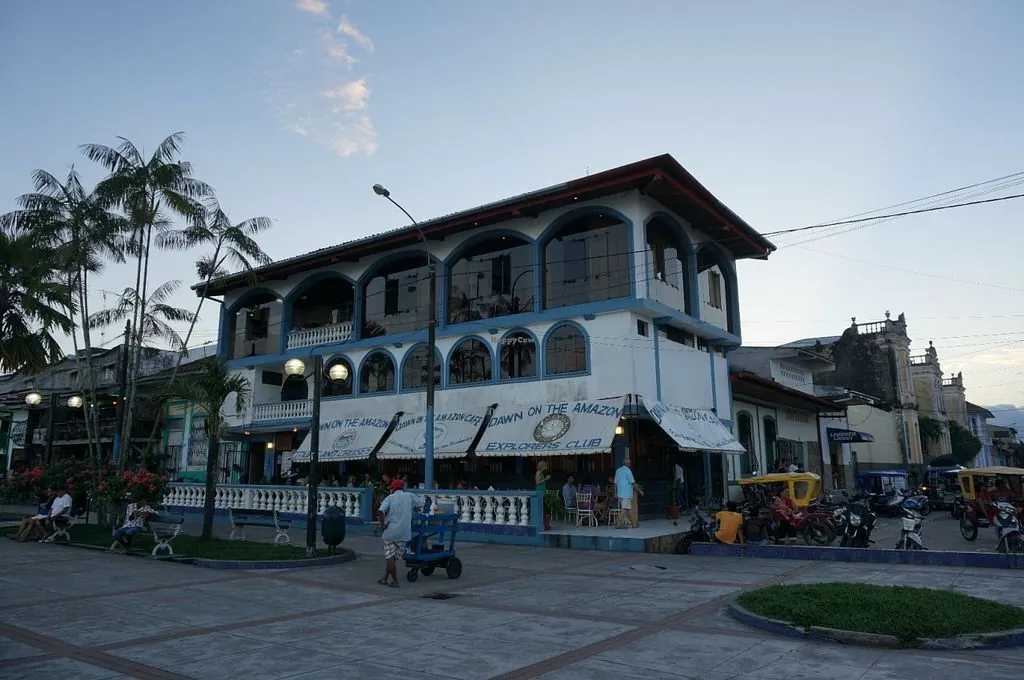
6. Dawn On The Amazon Cafe
Dawn On The Amazon Café is a traveler favorite thanks to its riverfront views, extensive menu and friendly, laid-back vibe. It serves everything from Amazonian dishes to vegetarian bowls, hearty breakfasts, river fish, salads and refreshing smoothies. Many visitors stop here after a city tour to enjoy the cool breeze and watch the river while they eat. The portions are generous, and the atmosphere is perfect for slow mornings or casual dinners.
Address: Malecón Maldonado.
Price range: $7–$18 USD
7. Restaurante Blanquita
Restaurante Blanquita is a beloved local spot known for its simple, traditional Amazonian dishes served at very affordable prices. Popular plates include juane, tacacho with cecina, fried doncella, regional soups and daily specials prepared with fresh ingredients. It’s a great choice for travelers who want true local flavor without spending much. The service is quick and the place feels authentically iquiteño.
Address: Jr. Napo (central area).
Price range: $3–$8 USD
8. The Yellow Rose of Texas
The Yellow Rose of Texas is popular among tourists and expats for its wide variety of dishes. The menu mixes American comfort food, Tex-Mex and Amazonian recipes, making it ideal for groups with different tastes. Expect large American breakfasts, big burgers, fajitas and classic local dishes like paiche fillets and tacacho. The atmosphere is relaxed, informal and social, perfect for meeting other travelers or grabbing a familiar meal.
Address: Near Plaza de Armas.
Price Range: $6–$12 USD
You might be interested: Festivals in Cusco month by month
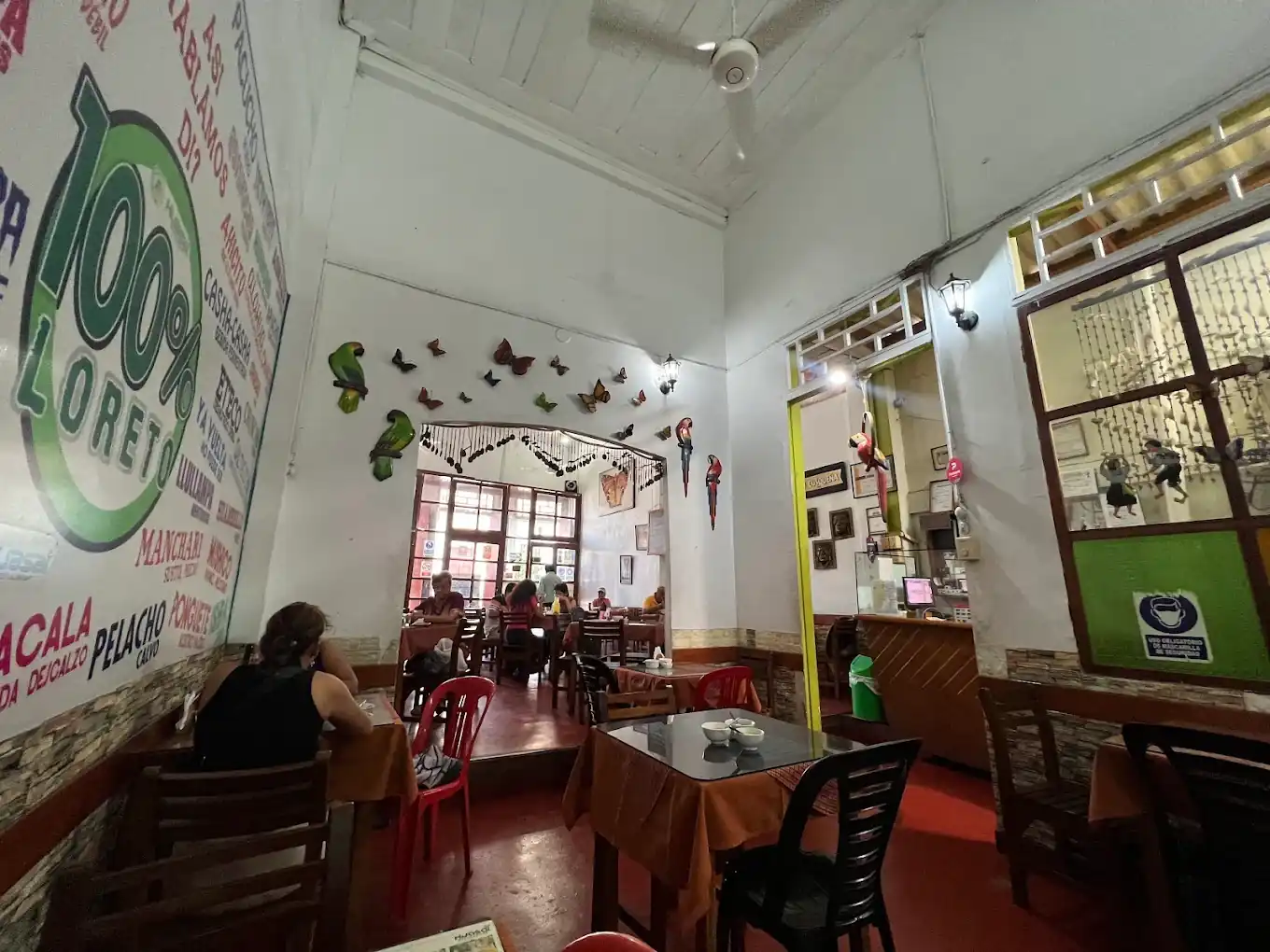
9. Huasai Restaurant
Huasai Restaurant offers homestyle Amazonian cuisine with a rustic touch. Dishes like patarashca, regional soups, fresh fish and juane are served with authentic seasoning and generous portions. It’s very popular among locals, which is always a good sign of quality and consistency. The environment is cozy and traditional, making it a great stop for travelers seeking comfort food from the jungle.
Address: Centro de Iquitos (near Plaza 28 de Julio).
Price Range: $6–$14 USD
10. El Sitio
El Sitio is well known for its fresh regional plates at very accessible prices. The menu focuses on classic Amazonian dishes prepared simply and with good seasoning: juane, arroz chaufa amazónico, fish cooked in bijao leaves and homemade sides. It is ideal for budget travelers or anyone wanting a fast, tasty and authentic experience without formality.
Address: Jr. Putumayo / downtown area.
Price Range: $3–$8 USD
You might be interested: 15 Traditional food in Peru

Where to try street food in Iquitos
- Boulevard Tarapacá
One of the safest and most popular places for street food. Vendors sell grilled river fish skewers, juanes, plantain snacks and fresh juices made with cocona or camu camu, all with a great view of the river. - Belén Market
The most authentic (and chaotic) food market in the city. Here you’ll find exotic fruits, fish straight from the Amazon, homemade snacks and traditional Amazonian ingredients. Best visited with a guide. - Plaza de Armas Food Stands
Small, traveler-friendly stalls offering empanadas, chifles, anticuchos and sweet treats. A great option for a quick and affordable bite. - Local Night Stands (Jr. Nauta & surrounding streets)
Known for budget-friendly snacks like plantain fritters, grilled fish and seasonal juices. Ideal for experiencing real Iquitos nightlife and flavors.
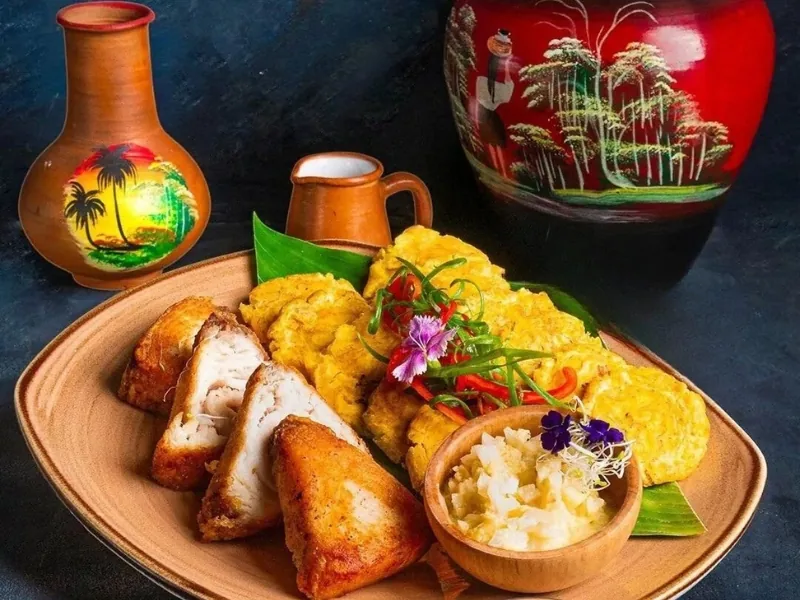
Food you can try in restaurants in Iquitos
Restaurants in Iquitos offer a surprising variety of dishes that highlight the region’s biodiversity and cultural heritage. Most places serve Amazonian fish such as paiche, doncella and gamitana, prepared grilled, steamed, fried or wrapped in bijao leaves. You’ll also find classics like tacacho with cecina, juane, inchicapi, and salads made with chonta (heart of palm).
Paiche (Amazonian Giant Fish)
Paiche is one of the largest freshwater fish in the world and a signature ingredient in Amazonian cuisine. Its meat is firm, mild and slightly sweet, making it incredibly versatile. In restaurants in Iquitos, it’s commonly served grilled with a smoky finish, steamed for a softer texture or prepared as fillets paired with sauces made from local fruits like cocona, taperibá or camu camu. Because it’s rich in protein and low in fat, it’s a favorite among visitors looking for a healthy but flavorful dish.
Ceviche de Doncella or Gamitana
Amazon-style ceviche is different from the coastal version. Made with doncella or gamitana, two fresh river fish with tender white meat, it’s marinated in citrus, seasoned with Amazonian peppers and often mixed with cocona, a tangy native fruit that adds a unique flavor. The result is a refreshing, slightly spicy ceviche that highlights the freshness of jungle fish and the bright acidity of Amazon fruits.
Patarashca
Patarashca is one of the most traditional dishes in the Amazon. Fresh river fish is seasoned with jungle herbs, onion, and spices, then wrapped in bijao leaves (similar to banana leaves) and cooked over a charcoal fire. The leaves give the fish a smoky, herbal aroma that you won’t find in any other preparation. It’s typically served with rice, plantains or yuca and is considered a true taste of the rainforest.
Tacacho with Cecina
A beloved Amazonian comfort food, tacacho is made from roasted plantains mashed with butter (or pork fat) until smooth and slightly smoky. It’s paired with cecina, a type of cured and smoked pork that has a salty, intense flavor. Together they form one of the most iconic combinations of the region.
Inchicapi Soup
Inchicapi is a thick, nourishing soup that has been part of Amazonian tradition for generations. It’s made with chicken, ground peanuts, cilantro (or sachaculantro, the Amazonian variety) and pieces of yucca that break down into a creamy texture. The flavor is rich, comforting and slightly nutty. Many travelers describe it as “the Amazon in a bowl.”
Amazonian desserts
Desserts in Iquitos often feature exotic fruits that grow only in the rainforest. You’ll find camu camu ice cream (high in vitamin C with a tangy taste), copoazú mousse (creamy and citrusy), and aguaje desserts with deep reddish color and a soft, earthy sweetness. These desserts are refreshing and perfect for the hot Amazonian climate.
Jungle drinks
Amazonian beverages are vibrant, colorful and full of natural energy. A must-try is cocona sour, the jungle version of pisco sour with a fruity, slightly tart profile. You’ll also find aguaje shakes (popular among locals for their richness), refreshing camu camu juices, and cocktails infused with fresh Amazon fruits. These drinks capture the essence of the jungle, fresh, aromatic and surprisingly unique.

Traditional dishes
Juane: A classic Amazonian dish made with rice, chicken and spices wrapped in bijao leaves and steamed. Traditionally eaten during San Juan, but available year-round.
Tacacho con Cecina: One of the most iconic plates of the jungle. Mashed roasted plantains mixed with pork fat, served with smoked pork strips.
Patarashca: Fresh river fish marinated with herbs, wrapped in leaves and cooked over charcoal, giving it a smoky, fragrant flavor.
Inchicapi: A comforting soup made with chicken, ground peanuts, cilantro and yucca, rich, creamy and very traditional.
Amazonian fish (Paiche, Doncella, Gamitana): Always fresh, often grilled or fried, and typically accompanied by cocona sauce or plantains.
Chonta salad: A refreshing heart-of-palm salad served with citrus and light seasonings, perfect for hot days.
Best time to visit Iquitos
The best time to visit Iquitos depends on the experience you are looking for in the Amazon, especially if you are planning an Iquitos Amazon tour 3 days adventure. From December to May, during the high water season, the rivers rise and allow you to explore more areas by boat, reach places that are inaccessible at other times of the year, and see more aquatic wildlife such as pink dolphins. It is the rainiest and most humid time of year, but ideal for deep navigation on the Amazon.
From June to November, during the low water season, the rains decrease and more trails appear for hiking in the jungle. It is the perfect time for those who prefer trekking, land-based wildlife viewing, and slightly more stable weather. Many travelers consider July, August, and September to be the most comfortable months for exploring.
You might be interested: 40 Animals in the peruvian amazon
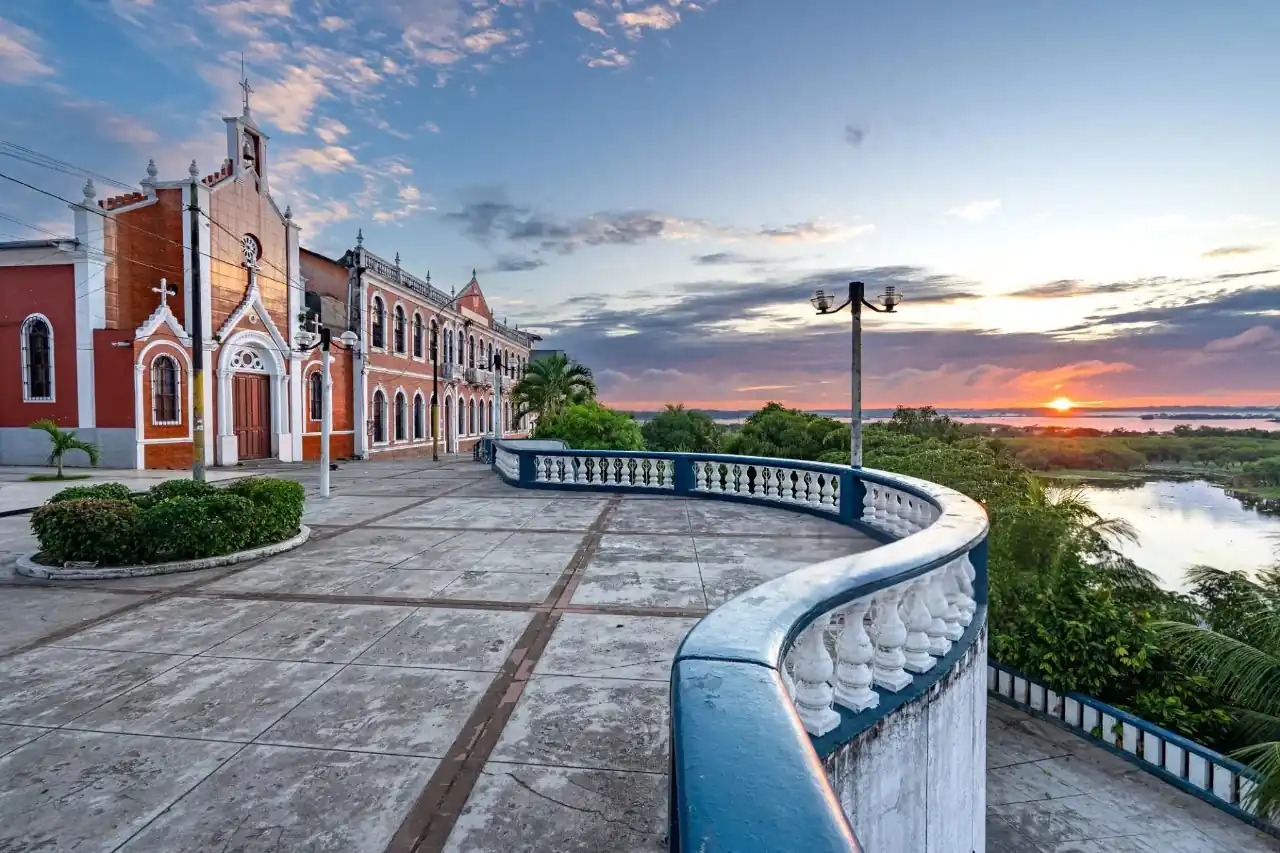
Practical tips for visit Iquitos
Before venturing into the Amazon rainforest, it is important to prepare well so that you can enjoy your trip in comfort, safety, and without any setbacks. These tips will help you make the most of your experience, both in the city and at the lodges in the Amazon.
Health and preparation
- Insect repellent: essential. Use a strong one and pair it with long-sleeved clothing to avoid mosquito bites.
- Vaccines and prevention: check recommendations for yellow fever and any additional precautions depending on your itinerary.
- Water and food: stick to bottled or filtered water, and avoid raw vegetables unless you’re sure they’ve been properly washed.
- Basic first-aid kit: include disinfectant, bandages, pain relievers, allergy or bite medications, and something for stomach upset.
Clothing and gear
- Light, breathable, quick-drying clothing.
- Long pants and long-sleeved shirts to protect yourself from the sun and insects.
- A poncho or waterproof jacket.
- Comfortable walking shoes or lightweight jungle boots.
- Hat, sunscreen, and sunglasses.
- Flashlight and extra batteries for night excursions or remote areas.
Safety in Iquitos
- Remember that Iquitos can only be reached by plane or boat, there’s no road access.
- Use official taxis or mototaxis and agree on the fare before getting in.
- Choose reputable agencies or guides for jungle tours.
- Avoid exploring unknown routes on your own.
Recommended activities
- Explore the Belén Market and discover unique Amazonian products.
- Take boat rides along the Nanay or the Amazon River to spot dolphins and wildlife.
- Visit Pilpintuwasi Butterfly Farm and the Amazonian Ethnographic Museum.
- Spend an afternoon at Quistococha, with its lake, artificial beach, and natural areas.
- Book in advance if you plan to stay at a jungle lodge.

